
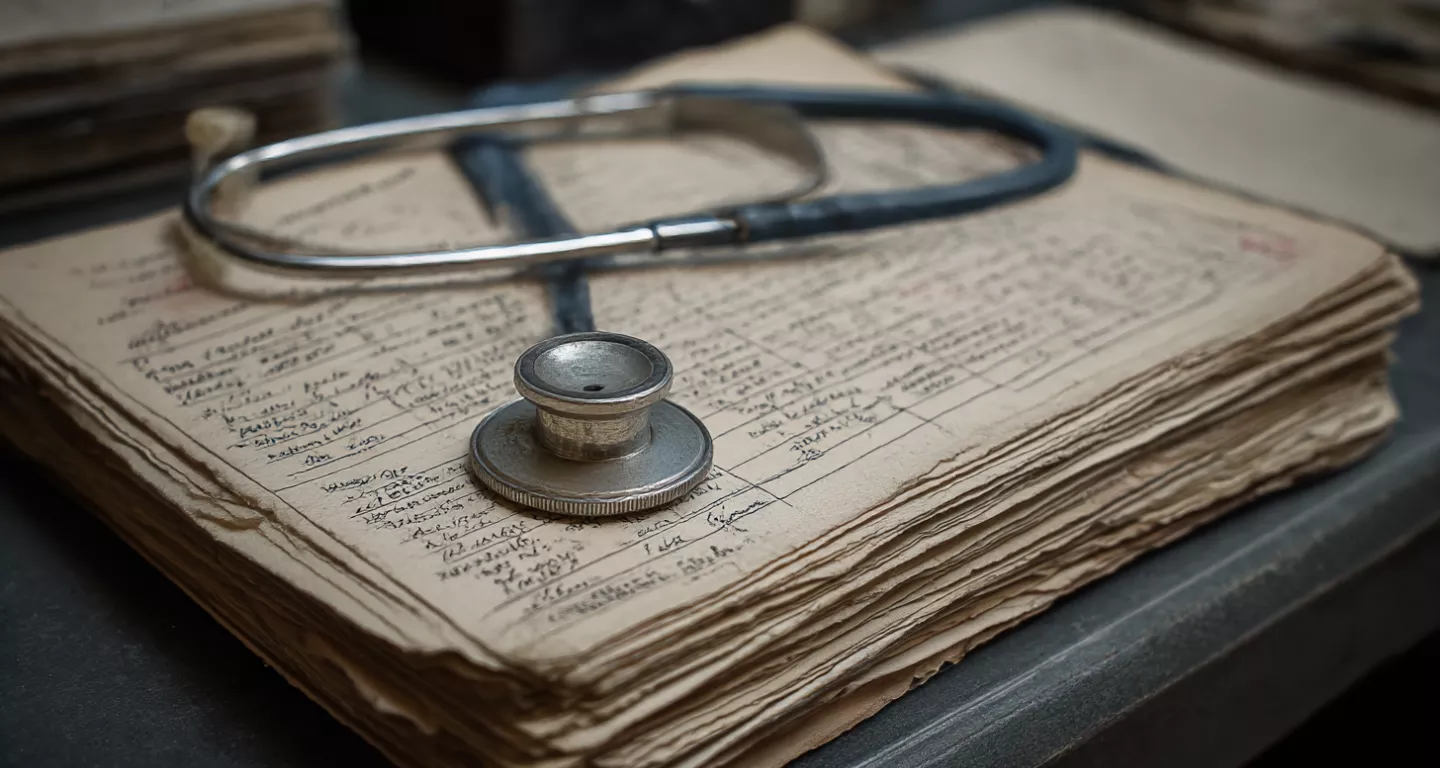
Medical Evidence That Strengthens Injury Cases in Fort Lauderdale
When you are injured in an accident in Fort Lauderdale, Hollywood, Pompano Beach, or elsewhere in Broward County, medical evidence plays a critical role in supporting your personal injury claim. Insurance companies and opposing parties scrutinize every aspect of a case, and without solid medical documentation, proving the extent of your injuries can be challenging. Medical evidence not only confirms the severity of your injuries but also establishes causation and helps calculate both immediate and long-term damages.
A Fort Lauderdale personal injury attorney can guide you in collecting, organizing, and presenting medical evidence to maximize compensation while protecting your rights.
Why Medical Evidence Is Crucial
Medical evidence serves multiple purposes in personal injury cases:
- Proof of Injury: Establishes that the accident caused real and measurable physical harm.
- Causation: Connects the injury directly to the accident or negligent act.
- Severity and Permanence: Demonstrates how serious the injury is and whether it may cause long-term disability.
- Treatment Documentation: Supports claims for medical expenses, rehabilitation, and future care costs.
- Pain and Suffering Assessment: Provides evidence for non-economic damages related to discomfort, emotional distress, or loss of quality of life.
Without medical evidence, insurance companies may argue that injuries were pre-existing, exaggerated, or unrelated to the accident, potentially reducing or denying compensation.
Types of Medical Evidence That Strengthen Cases
- Emergency Room and Hospital Records
- Immediate documentation of injuries, diagnostic tests, treatments, and admissions.
- ER notes are especially important in car accidents, slip and fall incidents, or workplace injuries, as they provide a timely record of the injury.
- Physician Notes and Progress Reports
- Documentation from your primary care physician, specialists, or surgeons details diagnosis, recommended treatments, and prognosis.
- Progress notes track your recovery and highlight ongoing issues.
- Diagnostic Imaging
- X-rays, MRIs, CT scans, and ultrasounds provide objective evidence of internal injuries, fractures, or tissue damage.
- Imaging helps substantiate claims for both economic and non-economic damages.
- Surgical Reports and Hospital Discharge Summaries
- Detailed records of surgical procedures and post-operative care demonstrate the seriousness of the injury and the associated recovery process.
- Physical Therapy and Rehabilitation Records
- Document ongoing care, therapy sessions, and progress toward recovery.
- Show continued pain, limitations, or the need for long-term treatment.
- Prescription and Medication Records
- Track pain management, ongoing treatments, and medications required to facilitate recovery.
- Psychological and Psychiatric Evaluations
- Support claims for emotional distress, trauma, anxiety, depression, or PTSD resulting from the accident.
- Particularly relevant in serious accidents, wrongful death cases, or traumatic events.
How Medical Evidence Supports Damages
Medical evidence is central to establishing both economic and non-economic damages:
- Economic Damages: Demonstrates the cost of medical treatment, hospital stays, therapy, medications, and future medical care.
- Lost Wages and Earning Capacity: Treatment records show the amount of time off work and potential long-term employment limitations.
- Non-Economic Damages: Detailed medical documentation helps attorneys justify compensation for pain, suffering, emotional distress, and lifestyle limitations.
In Fort Lauderdale and Broward County, thorough medical records make it harder for insurance companies to dispute the extent of injuries or the necessity of treatment, strengthening your negotiating position.
Expert Medical Opinions
In addition to standard medical records, expert opinions can play a critical role:
- Medical Expert Testimony: Physicians or specialists can provide professional evaluations regarding the severity of injuries, causation, and long-term impact.
- Vocational Experts: Assess how injuries affect employment opportunities, future earnings, and daily function.
- Rehabilitation Experts: Offer insight into therapy needs, long-term care, and lifestyle adjustments required after the accident.
Experts help quantify damages accurately, particularly for complex injuries or chronic conditions, ensuring victims are fairly compensated.
Common Mistakes That Weaken Medical Evidence
Many personal injury victims inadvertently weaken their cases by:
- Delaying medical treatment, leading insurers to question the connection between the accident and the injury.
- Failing to keep complete copies of medical records, bills, or diagnostic imaging.
- Inconsistencies in describing injuries to medical providers or insurance adjusters.
- Skipping follow-up appointments or physical therapy sessions, which may suggest the injury is less serious than it actually is.
A Fort Lauderdale personal injury attorney ensures medical documentation is comprehensive, consistent, and presented in a way that strengthens your claim.
Local Considerations for South Florida Accident Cases
Fort Lauderdale and surrounding Broward County cities like Sunrise, Plantation, Coral Springs, and Deerfield Beach have unique accident dynamics:
- Car and Motorcycle Accidents: Busy highways such as I-95, US-1, and State Road 84 often result in complex collision cases requiring extensive medical evidence.
- Slip and Fall Incidents: South Florida’s wet weather increases liability for property owners. Photos, incident reports, and medical documentation are key.
- Workplace Injuries: Construction and warehouse accidents often involve OSHA records, employer incident reports, and medical documentation to establish employer liability.
- Pedestrian and Bicycle Accidents: Hospital records and physical therapy documentation help prove injuries from high-impact accidents.
Medical evidence ensures that both immediate injuries and long-term effects are considered in settlements or litigation, tailored to the unique accident patterns in South Florida.
The Role of a Personal Injury Attorney
A Fort Lauderdale personal injury lawyer ensures that medical evidence is collected, preserved, and presented effectively:
- Coordinating with medical providers to obtain detailed records and reports
- Working with experts to interpret complex medical findings
- Organizing documentation to support both economic and non-economic damages
- Negotiating with insurance companies using solid, evidence-backed claims
- Preparing the case for trial if a fair settlement is not offered
Legal representation ensures your medical evidence translates into the maximum possible compensation for your injuries, lost wages, and long-term care needs.
Moving Forward After an Injury
Recovering from an accident involves both physical healing and financial planning. Strong medical evidence not only supports your legal claim but also helps you focus on rehabilitation and long-term recovery. With the guidance of an experienced Fort Lauderdale personal injury attorney, you can be confident that your medical documentation and expert testimony are leveraged effectively to secure the compensation you deserve.
Contact a Fort Lauderdale Personal Injury Lawyer
If you or a loved one has been injured in Fort Lauderdale, Hollywood, Pompano Beach, or anywhere in Broward County, professional legal guidance is essential. Our team helps collect and present medical evidence, negotiate with insurance companies, and pursue full compensation for medical expenses, lost wages, pain and suffering, and future care needs.
Contact us today for a free consultation. No upfront fees. Help is available 24/7 to protect your rights and guide your recovery.