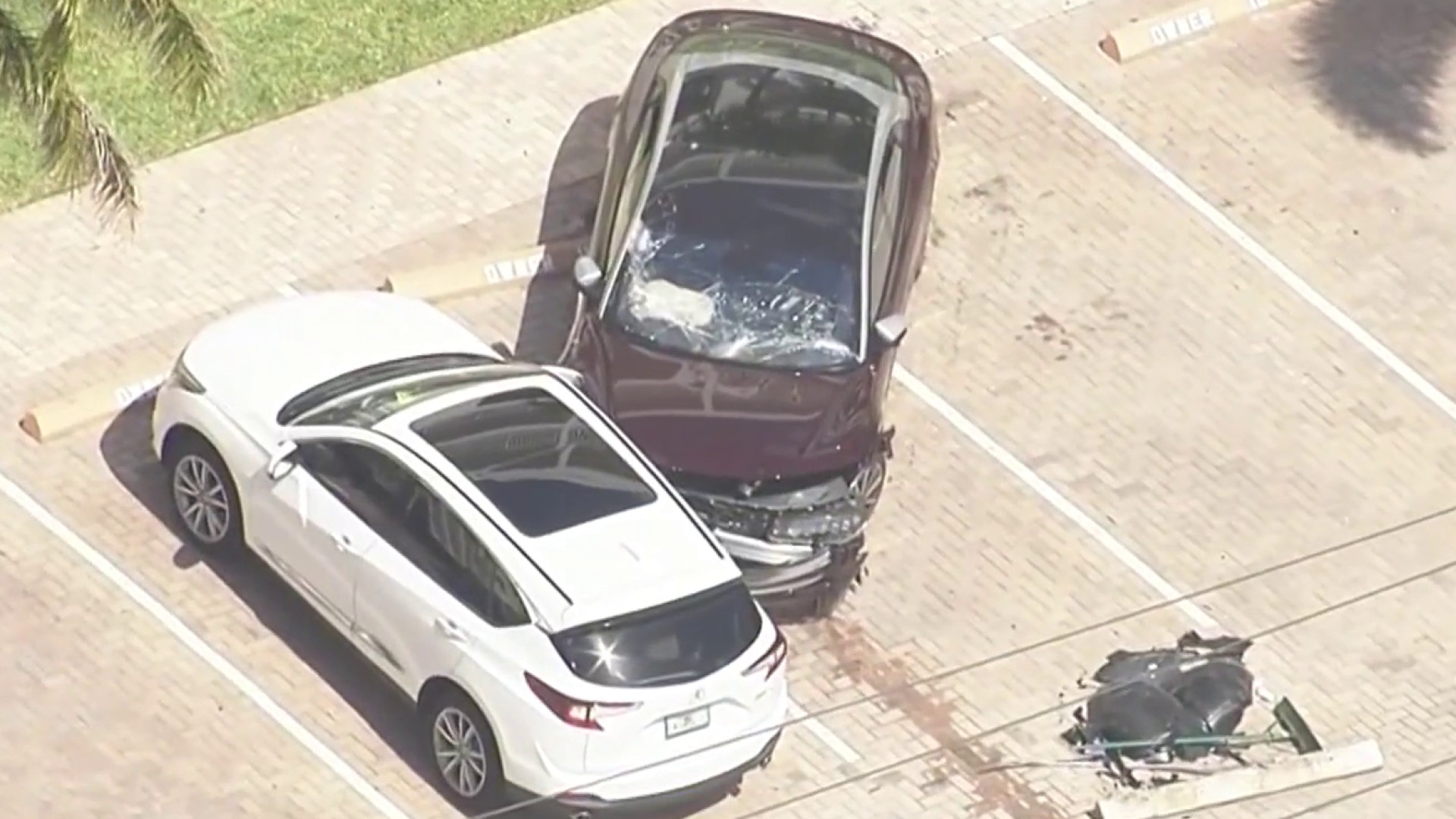
Lighthouse Point Claims: When Liability Becomes Disputed
Accidents in Lighthouse Point, Florida—ranging from car collisions along Federal Highway and boating mishaps on the Intracoastal Waterway to slip and fall incidents at local businesses—can leave victims with serious injuries, mounting medical bills, and lost wages. While many personal injury claims proceed smoothly, disputes over liability can arise, complicating the path to fair compensation.
When liability is contested, insurance companies, opposing parties, and even courts may scrutinize every detail of the incident. Understanding how liability disputes occur, what evidence supports your claim, and how Fort Lauderdale personal injury attorneys handle these challenges is essential for protecting your legal rights.
Understanding Liability in Lighthouse Point Accidents
Liability refers to legal responsibility for causing an accident. In Florida personal injury cases, establishing liability is crucial because it determines who must compensate the injured party. Liability disputes occur when the at-fault party, or their insurance company, denies responsibility, minimizes fault, or claims the victim contributed to the accident.
Florida follows a pure comparative negligence system, meaning a victim’s compensation can be reduced by their percentage of fault. Even if partial fault exists, victims may still recover damages, but proving the at-fault party’s responsibility is key.
Common Situations Where Liability Is Disputed
Liability disputes often arise in the following scenarios:
1. Car Accidents
- Conflicting accounts of the collision
- Claims of distracted driving, speeding, or failure to yield
- Disputes over traffic signals, right-of-way, or accident location
2. Slip and Fall Incidents
- Property owners may argue that hazards were obvious or that the victim ignored warning signs
- Disagreements over the condition of the property or maintenance responsibility
3. Boating or Watercraft Accidents
- Determining fault can be complex when multiple vessels are involved
- Weather conditions, operator experience, and negligence claims can conflict
4. Workplace Injuries
- Employers or insurance companies may argue that injuries were pre-existing or the result of improper worker actions
- Liability may involve multiple parties, including subcontractors or equipment manufacturers
Evidence That Supports Liability Claims
Proving liability requires comprehensive and credible evidence. Key types include:
1. Accident Reports
Police or incident reports provide an official account of the accident, often including:
- Witness statements
- Preliminary fault assessments
- Citations issued to involved parties
These reports serve as foundational evidence, though they are not always conclusive.
2. Witness Testimony
Eyewitnesses provide independent verification of events:
- Neutral observers, co-workers, or pedestrians
- Testimony about traffic patterns, property conditions, or operator behavior
- Statements collected promptly while memories are fresh
Witness accounts can corroborate a victim’s version of events and counter disputes from opposing parties.
3. Photographs and Video Evidence
Visual documentation can demonstrate:
- Accident scene conditions, including skid marks, obstacles, or debris
- Vehicle damage patterns consistent with impact claims
- Environmental factors, such as wet floors, lighting, or weather conditions
Dashcam footage, security cameras, and smartphone recordings are particularly persuasive in liability disputes.
4. Expert Analysis
In complex claims, experts can clarify circumstances and assign responsibility:
- Accident reconstruction specialists analyze collisions to determine fault
- Medical experts connect injuries to specific incidents
- Safety engineers assess property or equipment conditions
Expert testimony strengthens claims when liability is contested, providing objective, credible analysis.
5. Medical Documentation
While medical records primarily support damages, they also indirectly reinforce liability by:
- Establishing a direct link between the accident and injuries
- Showing the timing and severity of injuries consistent with the incident
- Countering arguments that pre-existing conditions caused the harm
Common Challenges in Liability Disputes
Disputed liability claims often face unique hurdles:
- Insurance Company Tactics
Adjusters may attempt to assign partial fault to the victim, question injury severity, or delay settlements to pressure victims into accepting less. - Conflicting Witness Accounts
Differing recollections of the accident can create uncertainty. Attorneys often reconcile inconsistencies through careful investigation and corroboration. - Limited or Lost Evidence
Damaged vehicles may be repaired, surveillance footage may be deleted, or property conditions may change, complicating proof of liability. - Multiple Parties Involved
When several parties share responsibility—such as in multi-car collisions, workplace accidents, or boating incidents—assigning liability can be complex.
How Fort Lauderdale Attorneys Handle Liability Disputes
Experienced personal injury attorneys in Fort Lauderdale provide critical support when liability is contested:
1. Comprehensive Investigation
Attorneys coordinate accident scene analysis, witness interviews, and expert consultations to build a strong case. This ensures all evidence is collected, preserved, and organized.
2. Expert Engagement
Experts in accident reconstruction, medical causation, and safety engineering provide authoritative opinions that clarify fault and support the victim’s claim.
3. Evidence Presentation and Documentation
Attorneys ensure that photographs, reports, medical records, and witness statements are properly documented and presented to insurance companies or courts.
4. Negotiation and Advocacy
Legal representation strengthens the victim’s negotiating position, protecting against lowball settlements or unfair liability assertions. Attorneys advocate for full compensation while addressing comparative negligence and disputed fault.
5. Litigation Preparedness
If negotiations fail, attorneys prepare the case for trial, presenting a cohesive narrative backed by comprehensive evidence and expert testimony. This approach maximizes the likelihood of a favorable outcome.
Steps Lighthouse Point Accident Victims Should Take
- Seek Immediate Medical Care – Document injuries and establish causation.
- Preserve the Accident Scene – Take photographs, gather debris, and note environmental factors.
- Collect Witness Information – Obtain contact details and statements from bystanders and involved parties.
- Avoid Premature Settlements – Do not accept offers before understanding the full scope of damages and liability.
- Consult an Attorney Early – Early legal involvement ensures evidence is preserved and liability disputes are addressed strategically.
Conclusion
Liability disputes in Lighthouse Point personal injury claims can complicate recovery, but understanding your legal rights and the evidence needed to establish fault is essential. Photographs, witness statements, police reports, expert testimony, and medical documentation all play critical roles in proving liability.
Fort Lauderdale personal injury attorneys provide the expertise, investigation resources, and negotiation skills necessary to protect victims’ rights, challenge disputed liability, and secure fair compensation.