
Legal Investigations in Florida Personal Injury Litigation
In Florida, including Fort Lauderdale, Hollywood, Coral Springs, Plantation, Pompano Beach, and Sunrise, personal injury victims often face the dual challenge of recovering from physical harm while navigating the complexities of the legal system. A cornerstone of successful personal injury litigation is a thorough legal investigation. Investigating the circumstances of an accident, documenting evidence, and gathering expert analysis are critical steps that can determine the outcome of a claim, influence settlement value, and protect the rights of victims.
Florida’s legal framework, including comparative negligence (Florida Statute §768.81) and PIP coverage (Florida Statute §627.736), makes precise investigation essential. Insurance companies and courts rely heavily on factual evidence to assess liability, causation, and damages. Without a structured investigative process, claims risk being undervalued or denied.
The Role of Legal Investigations in Personal Injury Cases
Legal investigations are the systematic efforts to gather and preserve evidence, establish liability, and substantiate damages in personal injury claims. These investigations serve multiple purposes:
- Proving the cause of the accident: Determining how and why the incident occurred
- Establishing liability: Identifying the responsible party or parties
- Documenting damages: Confirming injuries, financial losses, and long-term impacts
- Strengthening negotiation leverage: Presenting a comprehensive and credible case to insurers
- Preparing for trial: Ensuring all necessary evidence and expert testimony are available if litigation is required
The depth and quality of the investigation often directly affect the compensation victims receive.
Key Components of a Florida Legal Investigation
1. Accident Scene Documentation
Preserving the scene is critical for demonstrating liability:
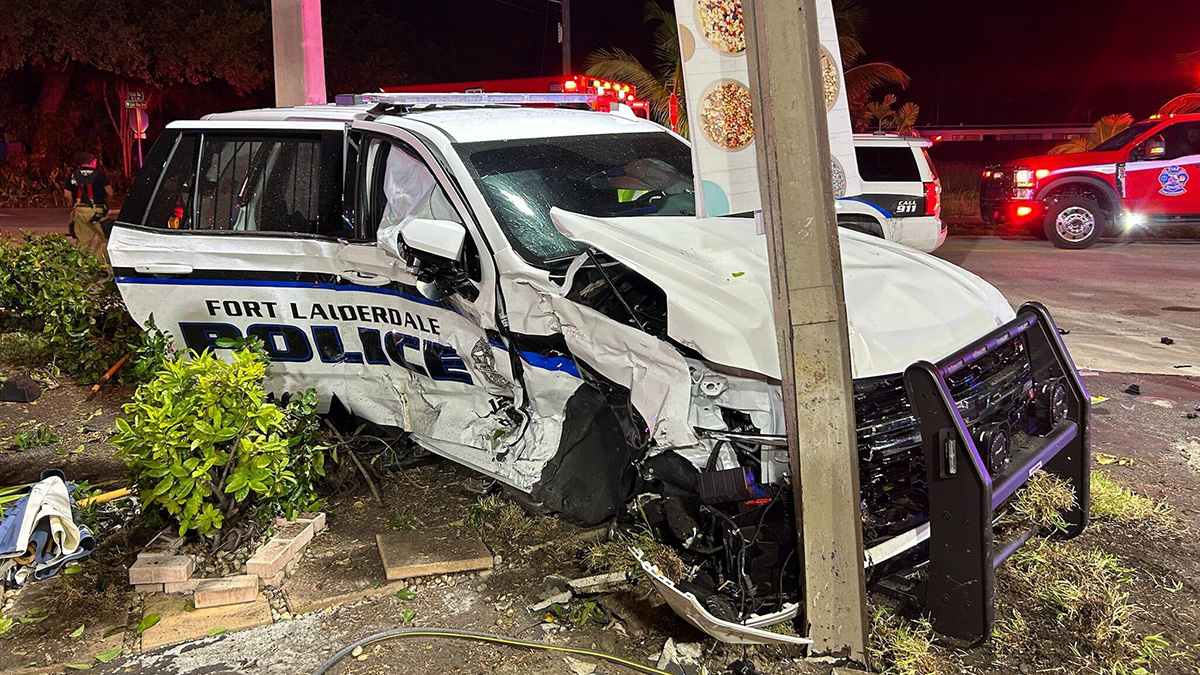
- Photographs and videos: Capture vehicle damage, skid marks, debris, lighting, weather, and road conditions
- Environmental factors: Identify hazards, signage, or visibility issues contributing to the accident
- Scene measurements: Diagrams and dimensions of accident locations provide clarity for liability assessment
Immediate documentation reduces the risk of evidence being altered or lost and strengthens credibility with insurers and courts.
2. Witness Identification and Statements
Witnesses provide an independent perspective on the accident:
- Eyewitness testimony: Confirms sequence of events and actions of involved parties
- Consistency checks: Cross-referencing accounts ensures reliability
- Depositions: Formal statements can be used in litigation or settlement negotiations
Properly collected witness evidence can be decisive when liability is disputed.
3. Review of Official Records
Legal investigators rely on official documentation:
- Police and accident reports: Often include preliminary fault determinations and citations
- Municipal and OSHA reports: Relevant in workplace or public property accidents
- Insurance records: Provide statements, prior claims, and coverage information
Official records support legal arguments and provide authoritative evidence for negotiation or trial.
4. Medical Evidence Collection
Medical evidence is essential to establish injury severity and causation:
- Emergency room records and hospital notes for initial diagnosis
- Specialist evaluations for orthopedic, neurological, or other injuries
- Diagnostic imaging and lab results demonstrating trauma
- Therapy and rehabilitation records showing recovery and ongoing care needs
Medical documentation not only proves the injury but also quantifies damages for settlement purposes.
5. Expert Analysis
Experts often provide critical insights that strengthen claims:
- Accident reconstruction specialists: Analyze how the incident occurred and assign fault
- Medical experts: Confirm injury causation and long-term impacts
- Economic experts: Calculate lost wages, future income, and care expenses
- Vocational experts: Assess the effect of injuries on employment and earning capacity
Expert testimony adds credibility and can counter insurance company arguments minimizing liability or damages.
6. Preservation of Evidence
Preserving all forms of evidence ensures admissibility:
- Physical evidence: Vehicles, equipment, or property involved in the accident
- Digital evidence: Surveillance footage, traffic cameras, or social media posts
- Documentation: Bills, receipts, and records that substantiate economic losses
Proper preservation prevents disputes over the authenticity or relevance of evidence.
Challenges in Florida Personal Injury Investigations
Comparative Negligence
Florida’s pure comparative negligence system reduces compensation proportionally if the victim is partially at fault. Investigators must:
- Collect evidence minimizing perceived victim responsibility
- Identify contributing factors from other parties
- Counter insurance claims that exaggerate comparative negligence
Multiple Parties and Insurance Policies
- Accidents may involve multiple defendants, including individuals, businesses, or municipalities
- Coordination of evidence and claims across multiple insurers adds complexity
- Legal investigators must identify all responsible parties to maximize recovery
Delays and Evidence Degradation
- Evidence can degrade over time—skid marks fade, debris is removed, witnesses’ memories fade
- Immediate investigation is essential to preserve critical facts
Pre-Existing Conditions
- Insurers may argue injuries were pre-existing rather than caused by the accident
- Investigators must distinguish accident-related injuries through medical documentation and expert analysis
Legal Investigation Strategies to Strengthen Claims
Prompt Action
- Contact a personal injury attorney immediately after the accident
- Collect scene evidence and witness information without delay
Comprehensive Documentation
- Maintain organized records of medical treatment, financial losses, and communications with insurers
- Use digital tools to store photos, videos, and correspondence securely
Engage Experts Early
- Retain medical, economic, and accident reconstruction experts early to provide authoritative analysis
- Expert findings strengthen both settlement negotiations and potential trial outcomes
Professional Communication
- Avoid statements that admit fault or minimize injuries
- Let legal counsel handle communications with insurance adjusters and opposing parties
Litigation Preparedness
- Even if a settlement is anticipated, prepare for trial by collecting depositions, expert reports, and official documentation
- A well-prepared investigation deters insurers from undervaluing claims
The Role of Attorneys in Legal Investigations
A South Florida personal injury attorney coordinates and supervises investigations:
- Ensures all evidence is collected, organized, and preserved
- Retains experts to analyze accident causation, injury severity, and financial impact
- Advises on comparative negligence implications
- Negotiates with insurers based on robust evidence
- Prepares cases for litigation, including organizing exhibits and expert testimony
Attorneys maximize the value of a claim by ensuring the investigation is thorough, timely, and legally sound.
Best Practices for Florida Injury Victims
- Seek immediate medical care and maintain all treatment records
- Document the accident scene with photos, videos, and witness contact information
- Preserve financial and property loss records
- Avoid statements that could undermine liability claims
- Engage a personal injury attorney early to coordinate investigations and negotiations
Conclusion
Legal investigations are the foundation of successful Florida personal injury litigation. In Fort Lauderdale, Hollywood, Coral Springs, Plantation, Pompano Beach, and Sunrise, victims rely on thorough evidence collection, witness statements, expert testimony, and careful documentation to establish liability, causation, and damages. A well-executed investigation strengthens settlement negotiations, deters lowball offers, and prepares cases for litigation if necessary.
A South Florida personal injury attorney ensures that investigations are comprehensive and strategic. Attorneys coordinate experts, manage insurance interactions, preserve evidence, and advocate for fair compensation. By investing in a structured legal investigation, victims protect their rights and enhance their chances of obtaining financial recovery that truly reflects the impact of the accident on their lives.
Speak With a South Florida Personal Injury Lawyer
If you or a loved one has been injured in South Florida, contacting a Fort Lauderdale personal injury attorney is critical. Legal guidance helps you:
- Preserve evidence and document injuries effectively
- Engage medical, economic, and accident reconstruction experts
- Negotiate strategically with insurance companies
- Prepare for litigation if settlements are insufficient
- Ensure maximum financial recovery for both immediate and long-term needs
Most South Florida law firms offer free consultations and contingency fee arrangements, meaning you pay nothing unless compensation is recovered.
A South Florida personal injury lawyer provides the expertise, coordination, and advocacy necessary to navigate legal investigations and secure the compensation you deserve.