
Legal Investigation Techniques in Injury Cases in Florida
When an accident occurs in Florida, whether in Fort Lauderdale, Hollywood, Coral Springs, Plantation, Pompano Beach, or Sunrise, understanding how to investigate an injury case can make the difference between a successful personal injury claim and a denied or undervalued settlement. Legal investigations are critical for gathering evidence, establishing liability, documenting damages, and preparing for potential litigation.
Florida’s personal injury framework—including comparative negligence (Florida Statute §768.81) and No-Fault insurance (Florida Statute §627.736)—places significant emphasis on evidence. A thorough investigation ensures that claims are well-supported and that victims receive the compensation they deserve.
Why Legal Investigations Matter
Legal investigations in injury cases serve several vital purposes:
- Establishing Liability – Identifying the responsible party or parties
- Collecting Evidence – Preserving documentation, physical evidence, and witness statements
- Demonstrating Damages – Confirming medical, financial, and non-economic losses
- Supporting Negotiations and Litigation – Strengthening claims against insurance companies or in court
- Protecting Against Insurance Tactics – Preventing undervaluation or denial of claims
Without a structured investigation, critical evidence may be lost, making it more difficult to prove causation or damages.
Key Legal Investigation Techniques
1. Scene Documentation
Accurate documentation of the accident scene is the foundation of any investigation.
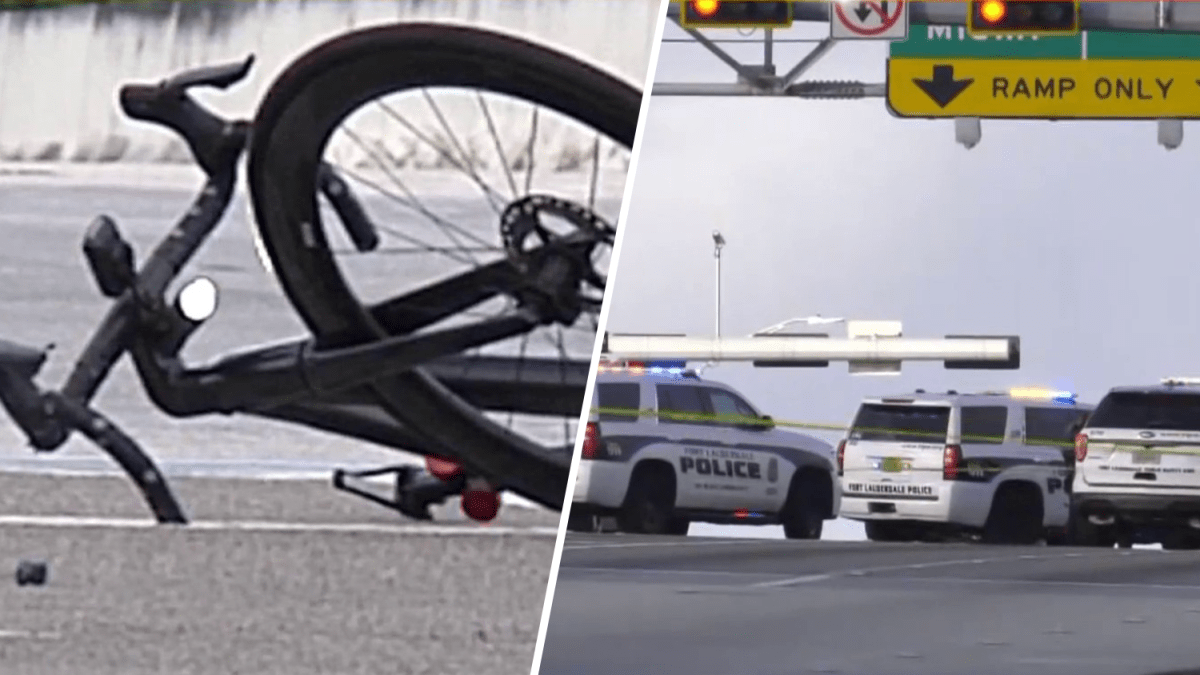
- Photographs and Videos – Capture vehicles, road conditions, traffic signs, skid marks, debris, and environmental hazards
- Measurements and Diagrams – Document distances, angles, and positions of vehicles or property
- Preserving Evidence – Avoid altering the scene; collect any physical evidence before it disappears
- Police Reports – Obtain official accident reports detailing preliminary findings and any citations
Scene documentation is essential to reconstruct the events leading to the injury.
2. Witness Interviews
Eyewitnesses provide firsthand accounts that support the victim’s narrative.
- Identify Witnesses Early – Contact neighbors, bystanders, or co-workers immediately after the accident
- Collect Contact Information – Names, phone numbers, email addresses, and addresses
- Obtain Written Statements – Statements are more reliable than recollections given later
- Record Video or Audio Statements (with consent) – Provides a stronger record for negotiation or trial
Witness testimony often corroborates physical evidence and strengthens liability claims.
3. Accident Reconstruction
- For Complex Cases – Especially vehicle collisions or workplace accidents
- Expert Analysis – Accident reconstruction specialists use physics, measurements, and simulation to determine cause and fault
- Clarifying Liability – Reconstruction can show speed, impact, trajectory, and point of collision
Reconstruction evidence is persuasive in both settlements and court trials.
4. Medical Evidence Collection
- Medical Records – ER visits, hospital records, specialist reports, imaging studies, therapy notes
- Documentation of Treatment – Shows severity of injuries and the necessity of care
- Expert Medical Opinions – Confirm causation and estimate future medical needs
Medical evidence directly supports claims for economic and non-economic damages.
5. Financial and Economic Documentation
- Lost Wages and Income – Payroll records, tax returns, employer verification
- Property Damage – Repair estimates, receipts, and appraisals
- Additional Expenses – Transportation, childcare, adaptive equipment, and rehabilitation costs
These records quantify economic losses and substantiate compensation claims.
6. Digital Evidence Gathering
- Surveillance Footage – Security cameras from nearby buildings or traffic cameras
- Dashcam Footage – Captures the accident from the victim or other drivers
- Cell Phone and GPS Data – Can establish location, speed, and timing of events
- Text Messages or Emails – May document prior warnings or communications related to the incident
Digital evidence is often decisive in establishing liability or disproving insurance company assertions.
7. Expert Witness Engagement
- Medical Experts – Validate injury severity and causation
- Economic Experts – Project lost wages and long-term financial impact
- Accident Reconstruction Specialists – Clarify liability and mechanics of the accident
- Vocational Experts – Determine diminished earning capacity due to injury
Expert testimony adds credibility and supports the value of the claim.
Common Challenges in Legal Investigations
Evidence Degradation
- Physical evidence can be altered, repaired, or lost
- Prompt action is required to preserve crucial documentation and objects
Multiple Parties Involved
- Accidents involving more than one driver, company, or property owner complicate investigations
- Coordinating evidence across multiple parties requires legal expertise
Insurance Company Tactics
- Insurers may challenge evidence, dispute injury severity, or claim partial fault
- Skilled attorneys ensure that evidence collection and presentation withstand scrutiny
Pre-Existing Conditions
- Insurance adjusters may argue that injuries were pre-existing
- Medical documentation and expert analysis help differentiate accident-related injuries from prior conditions
Best Practices for Strengthening Legal Investigations
- Act Quickly – Early evidence collection prevents loss or alteration
- Document Thoroughly – Maintain a detailed record of the accident, injuries, and financial losses
- Engage Attorneys Early – Legal professionals guide investigation, preserve evidence, and coordinate expert evaluations
- Use Expert Analysis – Specialized professionals provide authoritative support for complex claims
- Organize Evidence Chronologically – Ensures a clear narrative for negotiations or litigation
- Preserve Digital and Physical Evidence – Photographs, videos, and damaged property should be secured and backed up
The Role of Attorneys in Legal Investigations
A South Florida personal injury attorney ensures that investigations are conducted professionally and strategically. Attorneys:
- Coordinate evidence collection and preservation
- Engage medical, economic, and reconstruction experts
- Interview witnesses and secure reliable statements
- Analyze insurance policies and coverage
- Prepare evidence for negotiations or court presentation
- Protect clients from common insurance tactics that could minimize recovery
Their expertise ensures that no critical detail is overlooked, maximizing the likelihood of fair compensation.
Conclusion
Legal investigation techniques are fundamental to successful personal injury claims in Florida. Victims in Fort Lauderdale, Hollywood, Coral Springs, Plantation, Pompano Beach, and Sunrise rely on thorough evidence collection, expert analysis, and strategic legal guidance to establish liability, document damages, and secure compensation. From scene documentation and witness interviews to medical evidence and accident reconstruction, every step of the investigation strengthens a claim and protects the victim’s rights.
A South Florida personal injury attorney plays a central role in coordinating investigations, preserving evidence, and preparing claims for negotiation or litigation. By implementing effective legal investigation techniques, accident victims can maximize their recovery and ensure that their claim reflects the full impact of their injuries and losses.