
Key Legal Considerations After an Injury in Plantation
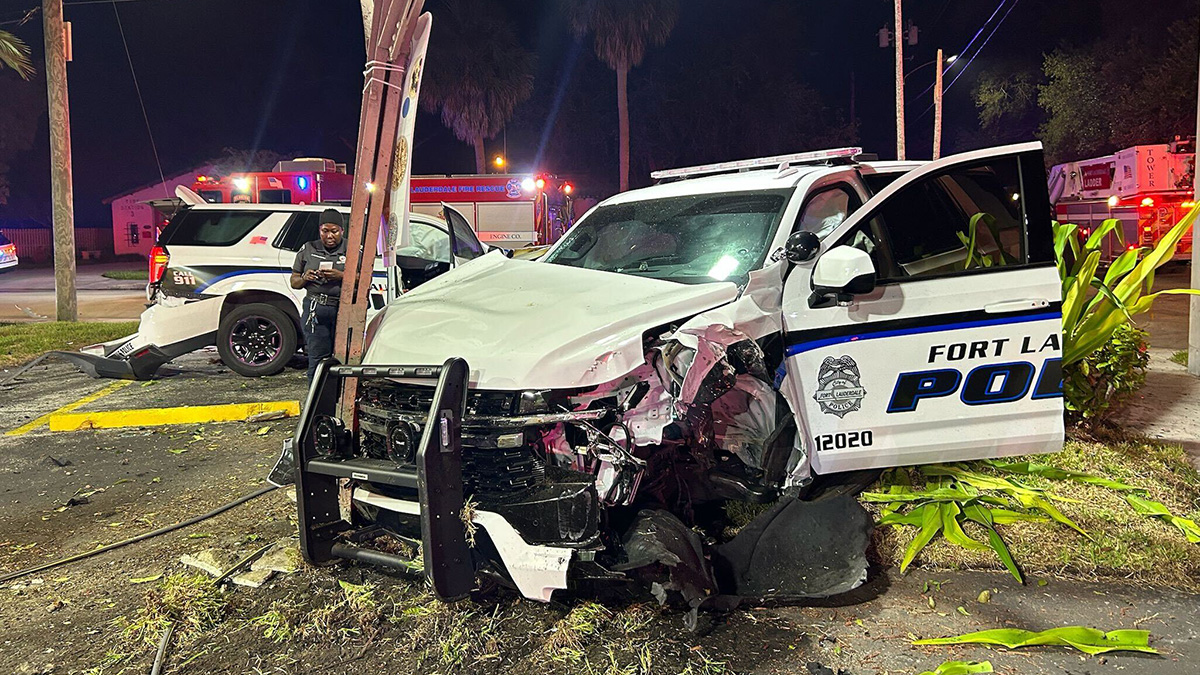
Suffering an injury in Plantation, Florida can be a life-altering event. Beyond the immediate physical and emotional impact, victims often face complex legal issues that can determine whether they receive fair compensation. Accidents—whether car crashes, workplace injuries, slip and fall incidents, or bicycle and pedestrian collisions—trigger a range of legal considerations, from insurance claims to liability determination, deadlines, and settlement strategies.
Understanding these legal aspects is essential for protecting your rights, preserving evidence, and maximizing recovery. This article outlines the key legal considerations Plantation injury victims should know, common pitfalls to avoid, and why working with an experienced personal injury attorney is critical.
Understanding Liability in Plantation Injury Cases
The first legal consideration after an injury is determining who is legally responsible. Florida personal injury law relies heavily on the concept of negligence, which requires proving four elements:
- Duty of Care: The responsible party owed a legal obligation to act reasonably.
- Example: Drivers must obey traffic laws; property owners must maintain safe premises.
- Breach of Duty: The party failed to meet that obligation.
- Example: Running a red light or failing to fix a hazardous condition.
- Causation: The breach directly caused your injuries.
- Damages: You suffered actual harm, including medical expenses, lost income, or pain and suffering.
Liability can be complex in multi-party accidents, rideshare incidents, or construction site injuries. Determining who is at fault is critical because it affects which insurance policies are involved and how compensation is calculated.
Comparative Negligence in Florida
Florida applies a pure comparative negligence standard (Fla. Stat. § 768.81). This means:
- If you are partially at fault for the accident, your compensation is reduced proportionally.
- Example: If a jury finds you 25% responsible for a crash, your $100,000 damages award would be reduced by $25,000.
- Even partially at-fault victims can still recover the remainder of their damages.
Understanding comparative negligence is essential for victims and affects how evidence is gathered, how witness statements are presented, and how settlement negotiations proceed.
Timelines and Statutes of Limitations
Legal deadlines in Florida are critical:
- Personal Injury Claims: Generally, you have four years from the date of the accident to file a lawsuit for negligence (Fla. Stat. § 95.11(3)(a)).
- Property Damage Claims: Usually must be filed within four years.
- Claims Against Government Entities: If the accident involves a city road, government vehicle, or public property, claims are governed by the Florida Tort Claims Act, which requires notice within three years for most situations, and sometimes 60 days for certain damages.
Missing these deadlines can result in losing the right to pursue compensation, making early legal consultation crucial.
Insurance Considerations
Insurance plays a central role in financial recovery:
1. Personal Injury Protection (PIP)
- Florida is a no-fault insurance state, requiring PIP coverage for all drivers.
- PIP pays up to $10,000 for medical bills, lost wages, and related expenses regardless of fault.
- PIP is often the first source of payment for injuries in car accidents but does not cover non-economic damages like pain and suffering.
2. Liability Insurance
- Covers damages caused by the at-fault party, including economic and non-economic damages.
- Victims must present sufficient evidence to establish fault and damages to access liability coverage.
3. Uninsured / Underinsured Motorist Coverage
- Protects victims when the at-fault party lacks sufficient insurance.
- Coverage limits and policy terms vary, requiring careful review.
4. Health Insurance
- Health insurance can cover treatment costs but may seek reimbursement from settlement proceeds.
- Coordination between health insurance claims and personal injury claims is an important legal consideration.
Medical Documentation and Evidence
Strong documentation is critical for legal recovery:
- Medical Records: ER reports, doctor notes, diagnostic imaging, and therapy records establish injury severity and causation.
- Medical Bills: Itemized bills demonstrate financial damages.
- Expert Opinions: In complex injuries, medical experts can explain long-term impacts or rehabilitation needs.
Failing to document injuries properly can result in reduced settlements or denied claims, making careful record-keeping essential.
Witness Statements and Scene Evidence
- Eyewitness accounts corroborate your story and clarify liability.
- Photographs, video footage, and accident reconstruction reports provide objective evidence of the accident and its severity.
- Preserving physical evidence, such as damaged property or safety hazards, strengthens your case.
In Plantation, busy roads such as University Drive, Broward Boulevard, and Pine Island Road often see multi-vehicle crashes, making witness statements and documentation particularly important.
Legal Pitfalls to Avoid
1. Delaying Medical Treatment
- Waiting to seek care can weaken claims and allow insurance adjusters to argue injuries were unrelated.
2. Speaking Directly to Insurance Adjusters Without Guidance
- Adjusters may attempt to obtain recorded statements that can be misinterpreted or used to reduce settlement value.
3. Failing to Preserve Evidence
- Vehicle repairs, property cleanup, or lost documentation can undermine your claim.
4. Missing Deadlines
- Statutes of limitations and notice requirements are strictly enforced.
5. Underestimating Long-Term Damages
- Permanent injuries, rehabilitation, or lost earning capacity may not be fully accounted for without expert assessment.
The Role of a Plantation Personal Injury Attorney
Hiring an attorney early provides several advantages:
- Preservation and Collection of Evidence: Ensures medical records, witness statements, photographs, and expert reports are obtained.
- Negotiation Expertise: Attorneys communicate with insurers to prevent lowball offers and protect your rights.
- Assessment of Damages: Calculates current and future medical costs, lost income, and non-economic damages like pain and suffering.
- Litigation Readiness: Prepares your case for court if settlements fail.
- Guidance Through Legal Complexity: Advises on PIP, liability coverage, uninsured motorist claims, and comparative negligence implications.
Attorneys also coordinate with medical and financial experts to provide a complete picture of damages for negotiation or trial.
Steps for Plantation Injury Victims
- Seek Prompt Medical Attention: Ensures injuries are documented and treatment is initiated.
- Preserve Evidence: Photograph accident scenes, gather witness contacts, and maintain vehicle or property records.
- Track Financial Impact: Keep all bills, receipts, and wage documentation.
- Avoid Unverified Statements: Don’t admit fault or provide detailed accounts to insurers without legal guidance.
- Consult a Personal Injury Attorney Early: Early legal support increases the chances of a fair settlement and protects your rights under Florida law.
Conclusion
Recovering from an injury in Plantation involves much more than medical treatment—it requires careful attention to legal considerations, deadlines, insurance requirements, and evidence preservation. Understanding liability, comparative negligence, and insurance coverage are critical for securing full compensation.
For residents in Fort Lauderdale, Hollywood, Davie, Sunrise, Coral Springs, and other Broward County communities, early consultation with a Plantation personal injury attorney can make a substantial difference. Attorneys guide victims through the complex claims process, protect against legal pitfalls, and advocate for compensation that covers medical bills, lost wages, property damage, pain and suffering, and long-term impacts.
By taking these steps promptly and working with experienced legal counsel, Plantation accident victims can protect their rights and maximize their financial recovery, allowing them to focus on healing and rebuilding their lives after an accident.