
How Liability Is Determined in Davie Injury Cases
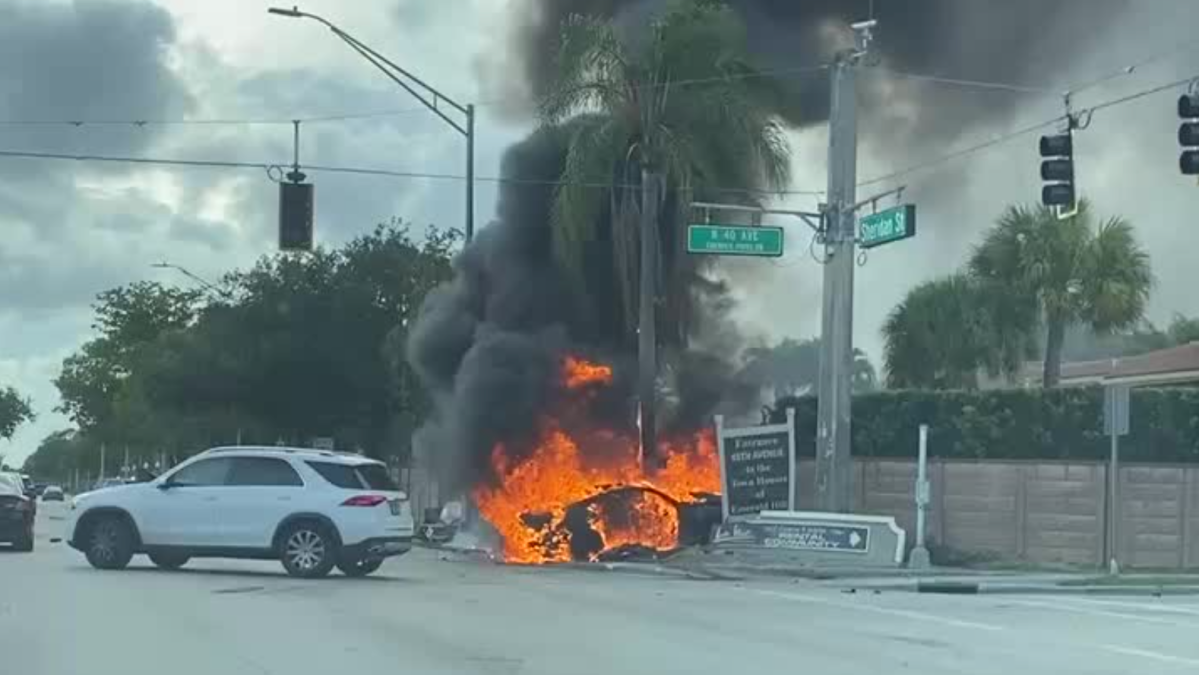
When an accident occurs in Davie, Florida, one of the first and most critical questions in a personal injury claim is who is at fault. Determining liability is essential because it directly affects whether you can recover compensation and the amount of damages you may receive. Whether the case involves a car crash, slip and fall, workplace accident, or bicycle collision, understanding how liability is established can help accident victims protect their rights and navigate insurance claims effectively.
This article explains the process of liability determination in Davie injury cases, the legal principles involved, the role of evidence, and why early consultation with a personal injury attorney is critical for securing fair compensation.
What Liability Means in Personal Injury Cases
Liability refers to legal responsibility for causing harm or damages. In personal injury claims, proving liability is necessary to hold the at-fault party accountable for your injuries, medical expenses, property damage, lost wages, and other losses.
Florida personal injury law operates under comparative negligence rules (Fla. Stat. § 768.81). This means:
- If more than one party shares fault for the accident, compensation is reduced according to each party’s degree of responsibility.
- Even if you are partially at fault, you can still recover damages, but the amount is proportionally reduced.
For example, if your total damages are $50,000 and you are 20% at fault, your compensation would be reduced by $10,000, leaving $40,000. Understanding liability is therefore critical to evaluating your potential settlement.
Steps in Determining Liability in Davie Accidents
Liability determination is a step-by-step process that involves investigation, evidence analysis, and legal evaluation.
1. Immediate Investigation
- Police Reports: Law enforcement documents the scene, including traffic violations, citations, and preliminary assessments of fault.
- Accident Scene Documentation: Photos, videos, and measurements of skid marks, road hazards, or damaged property provide physical evidence.
- Witness Accounts: Eyewitness statements can corroborate your version of events and clarify the sequence of the accident.
Early investigation is crucial in Davie and Broward County, where accidents may involve multiple vehicles, pedestrians, or shared spaces, making fault assessment more complex.
2. Collecting Evidence
Evidence forms the backbone of liability determination. Common types include:
- Medical Records: Document the nature and extent of injuries caused by the accident.
- Financial Documentation: Bills, receipts, and lost wage statements show the consequences of the incident.
- Property Damage Records: Photographs of vehicles, equipment, or property confirm the impact and force of the accident.
- Expert Reports: Accident reconstructionists or medical experts can clarify causation and the mechanics of injury.
A well-documented case increases the likelihood of establishing clear liability and helps prevent disputes during negotiations with insurers.
3. Establishing Negligence
Most personal injury cases hinge on proving negligence, which is the failure to exercise reasonable care. In Florida, negligence is evaluated based on four elements:
- Duty of Care: The at-fault party owed a legal obligation to act safely.
- Drivers must follow traffic laws.
- Property owners must maintain safe premises.
- Employers must ensure a safe workplace.
- Breach of Duty: The at-fault party failed to meet their duty of care.
- Running a red light, distracted driving, or ignoring safety protocols constitutes a breach.
- Causation: The breach directly caused the accident and resulting injuries.
- Evidence like medical reports, witness statements, and accident reconstructions demonstrate causation.
- Damages: Actual harm occurred as a result of the breach.
- Includes medical expenses, lost income, property damage, and non-economic losses like pain and suffering.
Proving each element with thorough documentation and evidence is essential for establishing liability in Davie accident claims.
4. Comparative Negligence Analysis
Florida applies a pure comparative negligence system, which means:
- Liability can be shared among multiple parties.
- Even if the victim bears some fault, they can recover damages reduced by their percentage of responsibility.
- Adjusters and attorneys carefully evaluate the actions of all parties to determine fault allocation.
For instance, in a multi-vehicle collision on Broward County roads, liability may be divided among drivers, pedestrians, and even government entities responsible for road maintenance.
5. Insurance Company Review
Insurance companies conduct independent investigations to assess liability:
- Review accident reports, medical records, and witness statements.
- Evaluate traffic citations and other legal documents.
- May hire investigators or experts to verify claims.
Insurance adjusters often aim to minimize payouts, so having legal representation ensures the insurer’s assessment accurately reflects your evidence and damages.
6. Role of Expert Witnesses
In complex Davie injury cases, experts can be crucial:
- Accident Reconstruction Experts: Analyze skid marks, vehicle positions, and collision physics to determine fault.
- Medical Experts: Testify about injury causation and severity.
- Safety or Engineering Experts: Provide insights into property conditions or workplace hazards.
Expert testimony strengthens your case and can be decisive in negotiations or court proceedings.
Common Challenges in Determining Liability
- Conflicting Witness Accounts: Eyewitnesses may have differing perspectives.
- Partial Fault Situations: Comparative negligence complicates settlements.
- Insufficient Documentation: Lack of photographs, medical records, or accident reports weakens claims.
- Insurance Company Tactics: Insurers may question the extent of injuries or dispute liability.
Working with a Davie personal injury attorney early helps address these challenges by organizing evidence, consulting experts, and advocating effectively.
How Legal Representation Helps
An experienced attorney can:
- Evaluate Liability Thoroughly: Investigates the accident and identifies all responsible parties.
- Preserve and Organize Evidence: Ensures medical records, financial documents, and accident reports are collected and submitted correctly.
- Communicate with Insurance Companies: Protects victims from lowball offers or unfair liability arguments.
- Coordinate Experts: Accident reconstruction, medical, and other specialists strengthen liability proof.
- Prepare for Litigation if Needed: Builds a persuasive case for court if settlement negotiations fail.
Early legal involvement maximizes the chance of fair compensation by accurately establishing fault and damages.
Steps Davie Accident Victims Should Take
- Seek Immediate Medical Care: Creates a clear link between the accident and injuries.
- Document Everything: Photos, videos, witness info, and personal notes.
- Preserve Physical Evidence: Vehicles, damaged property, or safety equipment.
- Report the Accident: Notify law enforcement, employers, or property owners as appropriate.
- Consult an Attorney Early: Protects your rights and ensures liability is properly established.
- Avoid Social Media Posts: Public statements may contradict injury claims.
Following these steps helps victims maintain a strong legal position while evidence is fresh.
Conclusion
Determining liability in Davie personal injury cases is a multi-step process involving investigation, evidence collection, and legal analysis. Florida’s comparative negligence rules make it essential to document every detail of the accident, injuries, and financial losses. Establishing negligence, proving causation, and addressing potential shared fault are key elements in securing fair compensation.
Early engagement with a Davie personal injury attorney ensures evidence is preserved, liability is accurately assessed, and negotiations with insurance companies reflect the full scope of damages. Residents of Fort Lauderdale, Plantation, Hollywood, Sunrise, Coral Springs, and other Broward County communities who act promptly are best positioned to protect their rights, maximize recovery, and achieve a fair outcome in their injury claims.