
How Liability Investigations Work in Accident Cases
Determining liability is one of the most critical aspects of personal injury claims following accidents. Liability refers to the legal responsibility for causing an accident and the resulting injuries or damages. Establishing who is at fault is essential for recovering compensation, whether through an insurance settlement or a court judgment. Liability investigations are the process by which insurance companies, legal professionals, and investigators gather and analyze evidence to determine which party is responsible for an accident.
Understanding how liability investigations work can help accident victims protect their rights, ensure fair compensation, and navigate the complex process of a personal injury claim in Fort Lauderdale, Broward County, and surrounding areas such as Hollywood, Plantation, Davie, and Pompano Beach.
The Purpose of a Liability Investigation
The primary goal of a liability investigation is to determine who caused the accident and whether negligence or other wrongful behavior contributed to the incident. Insurance companies often conduct investigations before offering settlements, while attorneys may use investigations to build a strong case for their clients.
Liability investigations help:
- Establish fault and responsibility
- Assess the extent of damages and injuries
- Identify potential defenses or mitigating factors
- Gather evidence for settlement negotiations or trial
Accident victims benefit from liability investigations because accurate findings increase the likelihood of fair compensation and help prevent insurance companies from minimizing or denying claims.
Gathering Evidence at the Scene
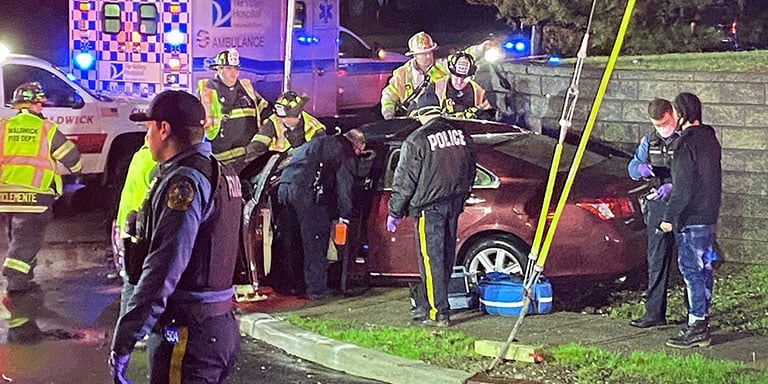
The first stage of a liability investigation often begins at the accident scene. Investigators and legal professionals collect physical and visual evidence to reconstruct how the accident occurred.
Key evidence gathered at the scene may include:
- Photographs and video of vehicles, property damage, and surroundings
- Skid marks, debris, and other indicators of vehicle movement
- Traffic signs, signals, and road conditions
- Weather and visibility conditions at the time of the accident
- Witness statements from bystanders or involved parties
Prompt collection of this evidence is critical, as physical details can change over time, vehicles may be moved, and environmental conditions may alter the scene.
Reviewing Police and Accident Reports
Official reports prepared by law enforcement officers provide an important starting point for liability investigations. These reports include the officer’s observations, statements from involved parties, and any citations or violations issued.
Police reports often contain:
- A summary of the accident
- Contact information for drivers and witnesses
- Vehicle and property damage descriptions
- Diagrams of the accident scene
- Observed contributing factors, such as speeding or distracted driving
While police reports are not legally binding determinations of fault, they serve as an authoritative account of the events and are frequently referenced during investigations.
Witness Statements and Testimonies
Eyewitness accounts are valuable in liability investigations. Statements from witnesses who saw the accident firsthand can confirm key details and provide independent verification of events.
Witnesses may describe:
- The actions of drivers or other parties leading up to the accident
- Road and traffic conditions
- Any unsafe or negligent behaviors observed
- The sequence of events during the collision
Because witnesses are usually neutral observers, their testimony carries weight in evaluating fault and may be critical when parties dispute liability.
Medical Records and Injury Documentation
Medical evidence plays a dual role in personal injury claims. It not only documents the severity of injuries but also helps establish causation—showing that the accident directly caused the harm.
Medical records used in liability investigations may include:
- Emergency room reports and doctor’s notes
- Diagnostic imaging like X-rays, CT scans, or MRIs
- Surgery and treatment documentation
- Physical therapy and rehabilitation records
- Pain and suffering evaluations
These records help investigators correlate the accident with injuries and strengthen claims for full compensation.
Expert Analysis and Accident Reconstruction
In complex accidents, especially those involving multiple vehicles, commercial trucks, or workplace incidents, experts may be retained to analyze the evidence. Accident reconstruction specialists examine the physical evidence and apply technical expertise to recreate how the collision occurred.
Accident reconstruction can involve:
- Assessing vehicle damage patterns
- Calculating speed and force of impact
- Evaluating angles and trajectories of involved parties
- Analyzing road conditions and environmental factors
Expert reports provide objective analysis, which can be persuasive during settlement discussions or courtroom proceedings.
Reviewing Insurance and Prior Records
Insurance investigators often review additional records to assess liability and potential compensation. These may include:
- Previous claims filed by the involved parties
- Vehicle maintenance and inspection records
- Driver history and safety records
- Employment or commercial vehicle documentation
Reviewing these records helps identify factors that may influence liability or highlight patterns of negligence that could affect the case.
Legal and Comparative Negligence Considerations in Florida
Florida follows a comparative negligence system, meaning that an injured party’s compensation may be reduced if they are partially at fault for the accident. Liability investigations, therefore, also evaluate whether the victim shared responsibility for the incident.
For example:
- If a pedestrian was crossing outside a designated crosswalk
- If a driver failed to signal a lane change
- If a bicyclist ignored traffic laws
Investigators carefully consider these factors to determine each party’s percentage of fault, which directly affects the compensation amount.
Insurance Company Strategies in Liability Investigations
Insurance companies often conduct thorough liability investigations to minimize payout obligations. Adjusters may attempt to identify inconsistencies in witness statements, question the severity of injuries, or review past claims for the parties involved.
Common tactics may include:
- Requesting recorded statements from the injured party
- Using surveillance or social media to evaluate activities
- Hiring independent experts to assess evidence
- Highlighting potential contributory negligence
Understanding these strategies helps victims and their attorneys anticipate challenges and prepare a robust defense of their claim.
How Legal Representation Supports Liability Investigations
Hiring a skilled Fort Lauderdale personal injury attorney can significantly improve the quality and effectiveness of a liability investigation. Attorneys help by:
- Gathering and preserving critical evidence
- Coordinating with medical professionals and accident reconstruction experts
- Interviewing witnesses and securing statements
- Evaluating the strength of the evidence and determining liability percentages
- Protecting the injured party from insurance company tactics
Legal representation ensures that the investigation is thorough, objective, and focused on maximizing compensation for the victim.
The Importance of Timely Action
Liability investigations are most effective when conducted promptly after an accident. Delays in collecting evidence can result in lost documentation, faded memories, or changed conditions that make it harder to establish fault. Accident victims should document the scene, seek medical attention, and contact an experienced attorney as soon as possible to protect their legal rights.
Conclusion
Liability investigations are a crucial part of personal injury claims. By carefully gathering and analyzing evidence from the accident scene, medical records, witness statements, and expert evaluations, legal professionals and insurance companies can determine who is responsible for an accident. In Florida, comparative negligence rules further emphasize the need for detailed investigations to accurately allocate fault.
For accident victims in Fort Lauderdale, Broward County, and surrounding South Florida communities, timely and thorough liability investigations can make the difference between a fair settlement and an undervalued claim. By working with experienced legal representation and preserving all relevant evidence, injured individuals can protect their rights and improve their chances of recovering full compensation for their losses.