
How Insurance Investigations Work in Davie Accident Claims
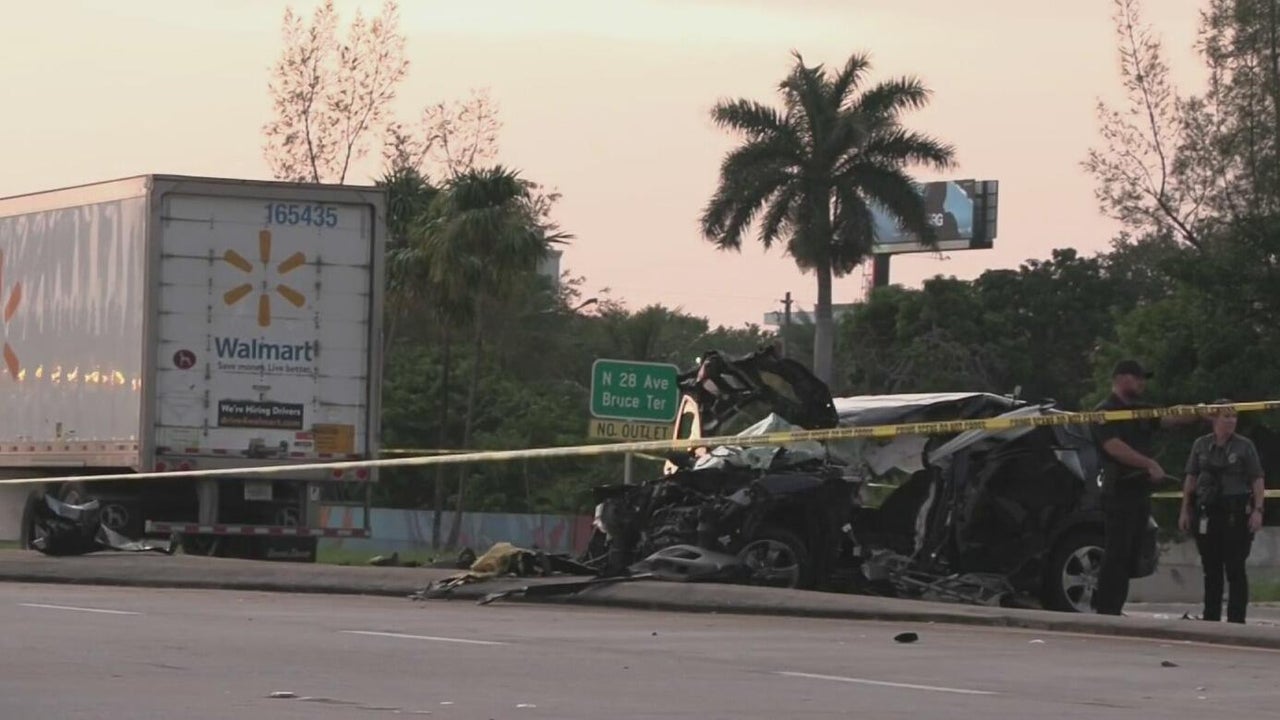
If you’ve been involved in an accident in Davie, Florida, navigating the aftermath can be overwhelming. Beyond dealing with injuries and recovery, many victims face the complex world of insurance investigations. Understanding how these investigations work is critical to protecting your rights and ensuring fair compensation for damages, medical expenses, and lost wages.
Insurance companies are tasked with assessing claims quickly and cost-effectively, but their methods often prioritize minimizing payouts. Knowing what to expect during an insurance investigation and how to respond can make a significant difference in the outcome of your Davie accident claim, whether it involves a car collision, motorcycle crash, slip and fall, or workplace injury.
The Purpose of an Insurance Investigation
Insurance investigations are conducted by claims adjusters to determine:
- Liability: Who is at fault for the accident?
- Extent of Damages: How severe are your injuries, and what financial losses did you incur?
- Validity of the Claim: Are there discrepancies, exaggerations, or unsupported claims?
- Potential Exposure: What is the maximum the insurance company may have to pay?
While insurance companies present investigations as a neutral process, their primary goal is often to protect their financial interests, not necessarily to ensure full compensation for the victim. Understanding this dynamic is essential for Davie accident victims, who may face tactics designed to reduce payouts.
Typical Steps in a Davie Accident Insurance Investigation
1. Claim Initiation
The process begins when you report your accident:
- Contact your insurance company (or the at-fault party’s insurer) promptly.
- Provide a basic account of the accident, your injuries, and property damage.
- Keep the information factual; avoid speculation or assigning blame.
At this stage, the insurer opens a claim file and assigns a claims adjuster to handle your case.
2. Initial Information Gathering
The claims adjuster will collect information to assess liability and damages:
- Accident Reports: Police reports, traffic citations, or workplace incident reports.
- Medical Records: Emergency room notes, doctor reports, diagnostic imaging, and therapy records.
- Photographs and Videos: Scene photos, vehicle damage, and security camera footage.
- Witness Statements: Accounts from bystanders, passengers, or coworkers.
- Property Damage Estimates: Vehicle repairs, personal property damage, or equipment loss.
Insurance companies rely heavily on documentation that supports their evaluation. Missing or incomplete records can lead to delays, reduced offers, or disputed claims.
3. Claim Investigation Techniques
Adjusters often use various techniques to verify information and protect the insurer’s interests:
- Recorded Statements: Adjusters may request a recorded statement from you.
- Purpose: Clarify details of the accident and establish consistency with other evidence.
- Advice: Always consult a Davie personal injury attorney before providing recorded statements. Small inaccuracies or misstatements can be used to reduce your claim.
- Surveillance: In certain cases, insurers may monitor your activities to assess injury severity.
- Purpose: Determine if injuries are consistent with medical claims.
- Privacy: Surveillance is legal if conducted in public spaces but must comply with state laws.
- Expert Review: Adjusters may consult medical experts or accident reconstruction specialists to assess claims.
- Purpose: Evaluate the necessity of medical treatment or the mechanics of the accident.
- Social Media Scrutiny: Insurers often review public posts for evidence of physical activity or behavior inconsistent with claimed injuries.
- Advice: Avoid posting images or details about your recovery on social media.
4. Liability Assessment
Liability is a critical focus of insurance investigations in Davie accident claims:
- Comparative Negligence: Florida law (Fla. Stat. § 768.81) allows for shared fault. The insurer will assess your potential contribution to the accident, which can reduce compensation proportionally.
- Traffic Violations or Safety Compliance: Citations, unsafe driving behavior, or failure to follow safety protocols may influence fault determinations.
- Premises or Workplace Responsibility: In slip and fall or workplace accidents, insurers evaluate whether the property owner met safety obligations.
Evidence collected during the investigation helps adjusters determine who is responsible and how liability is divided.
5. Damage Evaluation
Insurance companies calculate potential payout by examining:
- Medical Expenses: Both current and projected future costs.
- Lost Wages and Earning Capacity: Time off work and long-term income loss due to injuries.
- Property Damage: Vehicle repair or replacement, personal property, and associated expenses.
- Pain and Suffering: Non-economic damages may be estimated using formulas or multipliers, though insurers often undervalue these claims.
Accurate, detailed documentation is essential for ensuring a fair evaluation of your losses.
6. Settlement Offer
After completing the investigation, the insurance company may present a settlement offer:
- Often based on the insurer’s assessment of liability and damages.
- Offers may be lower than the actual value of your claim, especially if evidence is incomplete or misrepresented.
- Negotiation is common; you are not obligated to accept the initial offer.
A Davie personal injury attorney can review the offer, identify undervalued damages, and negotiate a settlement that reflects your full losses.
How to Protect Yourself During an Insurance Investigation
- Document Everything: Keep medical records, bills, repair estimates, photographs, and accident notes organized.
- Avoid Speculation: Provide factual accounts without guessing about fault or causes.
- Limit Communication: Direct communication with the insurer should be handled carefully; consult your attorney before recorded statements.
- Preserve Witness Information: Maintain contact details and statements from anyone who observed the accident.
- Follow Medical Advice: Complete treatment plans and keep all medical documentation current.
- Seek Legal Guidance Early: An attorney ensures evidence is properly collected, protects your rights, and prevents insurance tactics from undermining your claim.
The Role of a Davie Personal Injury Attorney
Hiring an attorney can make a significant difference in how your insurance claim proceeds:
- Evidence Management: Ensures all medical, financial, and accident evidence is properly collected and presented.
- Negotiation: Attorneys have experience countering lowball settlement offers and identifying full compensation opportunities.
- Expert Coordination: Medical and accident reconstruction specialists provide credible testimony to support claims.
- Legal Protection: Prevents insurers from taking advantage of procedural gaps, inconsistent statements, or incomplete documentation.
- Litigation Preparedness: If settlement negotiations fail, attorneys prepare a strong case for trial.
With professional guidance, evidence collected during an insurance investigation can be leveraged effectively, increasing the likelihood of fair compensation.
Common Mistakes to Avoid
- Providing Recorded Statements Without Advice: Misstatements can be used to deny or reduce claims.
- Delaying Medical Treatment: Raises questions about injury severity and causation.
- Failing to Preserve Evidence: Photographs, videos, and witness information may be lost over time.
- Posting on Social Media: Public posts may be used to dispute injury claims.
- Accepting the First Settlement Offer: Insurers often offer less than the full value; negotiation is crucial.
Avoiding these mistakes ensures your rights are protected and your claim is evaluated fairly.
Conclusion
Understanding how insurance investigations work in Davie accident claims is essential for protecting your rights and securing full compensation. Insurance companies follow structured processes to evaluate liability, damages, and claim validity, often with a focus on minimizing payouts.
By collecting detailed evidence, documenting medical treatment, preserving witness statements, and working with a Davie personal injury attorney, victims of car accidents, slip and falls, workplace injuries, or other incidents can navigate investigations strategically.
Early and proactive legal guidance ensures that your accident claim reflects the full extent of your losses, while protecting you from tactics that could reduce your settlement. Residents of Fort Lauderdale, Plantation, Hollywood, Sunrise, Coral Springs, and other areas in Broward County can maximize their recovery by understanding the investigation process, safeguarding evidence, and leveraging professional legal support throughout their claims journey.