
How Evidence Impacts Injury Claims in Davie
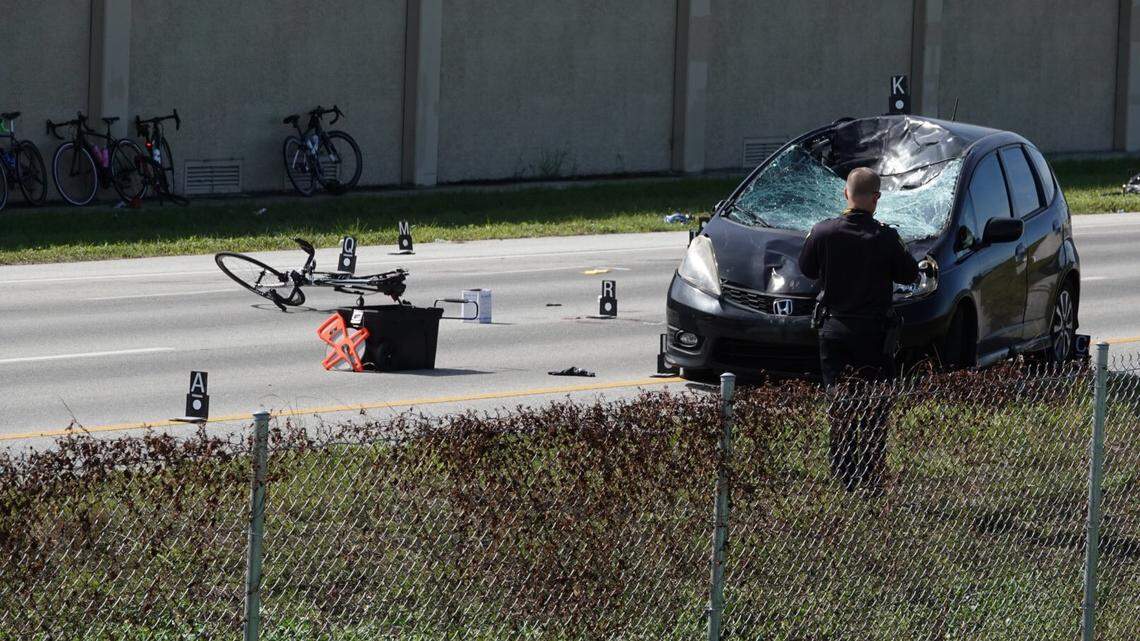
When someone suffers an injury in Davie, Florida—whether from a car accident, slip and fall, workplace incident, or pedestrian collision—the success of their claim often depends on one crucial factor: evidence. Evidence is the foundation of every personal injury case. It tells the story of what happened, proves who was responsible, and demonstrates the financial and personal impact of the accident.
Without strong evidence, even legitimate injury claims can face challenges from insurance companies and opposing parties. On the other hand, well-documented evidence can significantly strengthen a claim and increase the likelihood of fair compensation.
Understanding how evidence impacts injury claims in Davie can help victims protect their rights and make informed decisions during the legal process.
Why Evidence Is Critical in Personal Injury Claims
After an accident, disputes about fault are common. Drivers may deny responsibility, property owners may argue that hazards were not present, and insurance companies may claim that injuries were unrelated to the incident.
Evidence helps resolve these disputes by providing objective proof of what occurred.
In a personal injury claim, evidence helps establish several key elements:
- That an accident occurred
- That another party was responsible
- That the victim suffered injuries
- That those injuries caused financial and personal losses
Without reliable evidence, proving negligence becomes far more difficult.
Proving Negligence Through Evidence
Most injury claims in Davie rely on the legal concept of negligence. To succeed in a personal injury case, the injured party must show four essential elements:
- Duty of Care – The responsible party had a legal obligation to act safely.
- Breach of Duty – They failed to meet that obligation.
- Causation – Their actions caused the accident and resulting injuries.
- Damages – The victim suffered measurable losses.
Evidence supports each of these elements. For example, traffic camera footage may show a driver running a red light, while medical records demonstrate the injuries that resulted from the collision.
The stronger the evidence, the easier it becomes to prove negligence.
Types of Evidence Used in Davie Injury Claims
Several types of evidence commonly play a role in personal injury cases throughout Davie and Broward County.
Accident Scene Evidence
Evidence collected at the scene of an accident can be extremely valuable.
This may include:
- Photographs of vehicles, property damage, or hazards
- Skid marks or debris on the roadway
- Weather and lighting conditions
- Road signs and traffic signals
- Physical damage to surrounding structures
Accident scene evidence helps investigators recreate the circumstances leading up to the incident.
Medical Records and Treatment Documentation
Medical evidence is essential for proving the extent of an injury and its connection to the accident.
Key medical documentation includes:
- Emergency room reports
- Physician evaluations
- Diagnostic imaging such as X-rays or MRIs
- Treatment plans and prescriptions
- Physical therapy records
- Medical bills and invoices
These records help demonstrate both the severity of injuries and the financial costs associated with treatment.
Consistent medical care also shows that the injuries were serious enough to require professional attention.
Witness Statements
Witness testimony can provide valuable insight into how an accident occurred.
Eyewitnesses may confirm important details such as:
- Driver behavior before the accident
- Hazardous conditions on a property
- Speed, signals, or traffic violations
- Events immediately before and after the incident
Independent witnesses are often viewed as credible sources because they have no personal interest in the outcome of the case.
Surveillance and Video Footage
In many parts of Davie, accidents may be captured on video. Surveillance cameras, traffic cameras, and dash cameras frequently record incidents in commercial areas or busy intersections.
Video evidence may come from:
- Businesses
- Parking garages
- Traffic intersections
- Residential security systems
- Vehicle dash cameras
Video footage can provide clear visual proof of events and can be extremely persuasive in negotiations or court proceedings.
Expert Analysis
Some injury cases require specialized analysis from experts.
For example:
- Accident reconstruction specialists can determine how a collision occurred.
- Medical experts can explain the long-term impact of injuries.
- Economic experts may calculate future financial losses.
- Vocational experts assess how injuries affect a victim’s ability to work.
Expert testimony often strengthens claims involving severe injuries or complex accident scenarios.
How Evidence Influences Insurance Negotiations
Insurance companies closely examine the evidence presented in injury claims. Their goal is often to minimize financial payouts, and they may challenge claims that lack strong documentation.
Evidence impacts negotiations in several ways:
Establishing Liability
Clear evidence showing that another party caused the accident makes it harder for insurers to deny responsibility.
Supporting Damage Claims
Detailed documentation of medical bills, lost wages, and rehabilitation costs helps justify the compensation requested.
Countering Insurance Defenses
Insurance companies sometimes argue that injuries were pre-existing or unrelated to the accident. Medical records and expert opinions can refute these claims.
Increasing Settlement Value
The stronger the evidence, the more pressure insurers may feel to offer a fair settlement rather than risk a trial.
Florida Laws That Affect Evidence in Injury Claims
Personal injury claims in Davie must also comply with Florida’s legal framework.
Comparative Negligence
Florida follows a comparative negligence system, meaning compensation may be reduced if the injured person shares responsibility for the accident.
For example, if a Davie driver is found to be 20 percent at fault in a crash, their compensation could be reduced by that percentage.
Evidence plays a key role in determining fault and defending against attempts to shift blame.
Statute of Limitations
Florida law generally allows two years to file a personal injury lawsuit for accidents occurring after March 2023.
Evidence becomes harder to obtain as time passes. Witnesses forget details, surveillance footage may be deleted, and physical evidence can disappear.
Prompt evidence collection is therefore essential.
Personal Injury Protection (PIP)
Florida’s no-fault insurance system requires drivers to carry Personal Injury Protection (PIP) coverage.
PIP covers certain medical expenses regardless of fault, but serious injuries often require claims against the at-fault party.
Medical documentation and accident evidence determine whether victims can pursue compensation beyond PIP limits.
Common Challenges with Evidence
Even when an accident clearly causes injuries, collecting and preserving evidence can present challenges.
Common obstacles include:
- Missing surveillance footage
- Conflicting witness accounts
- Incomplete medical documentation
- Delayed accident reporting
- Insurance disputes about liability
- Lack of photographic evidence
Overcoming these challenges often requires professional investigation and legal strategy.
The Role of Attorneys in Evidence Collection
Personal injury attorneys in Davie often coordinate the evidence collection process.
Legal teams may:
- Visit accident scenes
- Gather photographs and video footage
- Interview witnesses
- Obtain police reports
- Review medical documentation
- Consult with accident reconstruction experts
- Analyze insurance policies
- Preserve critical evidence before it disappears
This comprehensive approach helps build a strong claim that can withstand challenges from insurers and opposing parties.
How Victims Can Help Preserve Evidence
Accident victims themselves can take several steps to protect important evidence after an incident.
Helpful actions include:
- Taking photographs of the accident scene
- Documenting injuries and property damage
- Collecting witness contact information
- Reporting the incident to authorities
- Keeping copies of all medical records
- Saving receipts for medical treatment and related expenses
- Avoiding discussions of fault with insurance representatives
These steps can significantly strengthen a future injury claim.
The Impact of Strong Evidence on Compensation
Evidence directly affects the potential compensation available in an injury claim.
Strong evidence can support recovery for:
- Medical expenses
- Lost wages
- Future medical care
- Reduced earning capacity
- Rehabilitation costs
- Pain and suffering
- Emotional distress
- Property damage
When evidence clearly demonstrates both liability and damages, insurance companies are more likely to offer fair settlements.
Real Example: Evidence in a Davie Car Accident Case
Consider a collision that occurred on University Drive in Davie.
A driver was struck by another vehicle that ran a red light. The injured victim initially faced resistance from the at-fault driver’s insurance company.
However, several pieces of evidence strengthened the claim:
- Traffic camera footage showing the red-light violation
- Witness statements confirming the driver’s actions
- Medical records documenting injuries
- Vehicle damage photographs
- Police report noting the traffic violation
With this evidence, the victim successfully negotiated a settlement covering medical expenses, lost income, and pain and suffering.
Protecting Your Rights After an Accident in Davie
Evidence can make the difference between a denied claim and a successful recovery. Taking the right steps immediately after an accident helps preserve critical information.
If you are injured in Davie or elsewhere in Broward County:
- Seek immediate medical care
- Report the accident to authorities
- Document the scene and injuries if possible
- Preserve all medical and financial records
- Avoid discussing fault with insurers
- Speak with a personal injury attorney promptly
Early legal guidance helps ensure evidence is properly collected and protected.