
How Crash Scene Evidence Can Change the Outcome of a Fort Lauderdale Injury Case
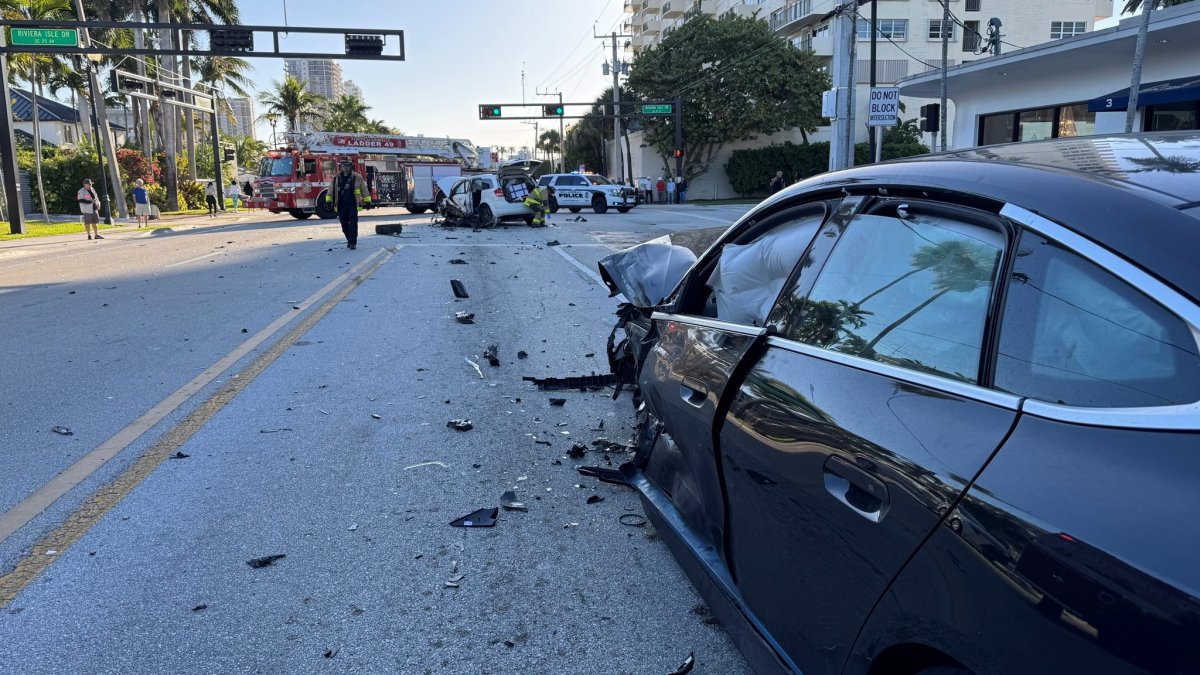
In Fort Lauderdale, Broward County, and throughout South Florida, the moments immediately following a car accident are critical—not just for your safety, but also for the outcome of a personal injury claim. One of the most decisive factors in any injury case is the evidence collected at the crash scene. Properly documented evidence can make or break a case, influencing liability, damages, and the ultimate compensation for victims.
Whether you were involved in a car, truck, motorcycle, or rideshare accident, understanding the importance of crash scene evidence—and taking the right steps to preserve it—is essential. Insurance companies, defense attorneys, and courts rely heavily on tangible proof from the scene to determine fault and assess damages.
This article explores the types of crash scene evidence, how it impacts Fort Lauderdale injury claims, common challenges, and strategies for ensuring evidence is preserved and used effectively.
Why Crash Scene Evidence Matters
Crash scene evidence is vital because it provides an objective snapshot of the accident circumstances. While statements from drivers and witnesses are important, physical and visual evidence often carry the most weight in legal proceedings.
Key reasons crash scene evidence is critical include:
- Establishing Liability – Determining who caused the accident requires analyzing positions of vehicles, skid marks, road conditions, and other physical clues.
- Supporting Medical Claims – Evidence of impact and vehicle damage can substantiate injury severity and causation.
- Countering Insurance Disputes – Insurers may attempt to minimize or deny claims; crash evidence strengthens your negotiating position.
- Protecting Against Comparative Negligence – Florida’s comparative negligence laws reduce compensation if a victim is partially at fault. Evidence clarifies the degree of responsibility.
Without thorough documentation, claims may be undervalued, delayed, or even denied.
Types of Crash Scene Evidence
1. Vehicle Damage and Position
- Point of impact – Identifies where each vehicle was struck and indicates who may be at fault.
- Vehicle position post-collision – Provides insight into driving behavior, stopping distances, and traffic rule violations.
- Extent of damage – Correlates with injury severity and helps quantify property damage compensation.
Photographs from multiple angles and detailed notes are essential for preserving this information.
2. Skid Marks and Tire Impressions
- Skid marks indicate braking patterns and speeds prior to the collision.
- Tire impressions can reveal sudden maneuvers, evasive actions, or loss of control.
- Forensic analysis by accident reconstruction experts can transform these observations into evidence of negligence.
3. Road and Environmental Conditions
- Road surface – Potholes, debris, oil spills, or water accumulation may contribute to accidents.
- Traffic signals and signs – Malfunctioning or obscured signals may affect liability.
- Lighting and visibility – Poor visibility at night or during weather events can influence fault determinations.
Documenting these conditions with photos, videos, and witness statements strengthens claims against negligent parties.
4. Photographs and Videos
- Scene photographs – Show vehicle positions, damage, road conditions, and environmental factors.
- Dashcam or surveillance footage – Provides independent verification of events and can corroborate witness accounts.
- Aerial or smartphone video – Offers perspective on accident layout, proximity to intersections, or traffic flow.
Proper visual documentation is often more persuasive than verbal descriptions alone.
5. Witness Statements
- Eyewitnesses provide independent accounts of the collision sequence and driver behavior.
- Early statements are more accurate; delays can lead to inconsistencies or memory lapses.
- Attorneys often interview witnesses to ensure statements are detailed and legally admissible.
6. Police Reports
- Law enforcement documents offer official observations, citations, and preliminary conclusions about fault.
- Officers may record environmental factors, vehicle damage, and parties’ behavior.
- These reports are valuable for both negotiations and litigation.
How Crash Scene Evidence Influences Fort Lauderdale Injury Cases
1. Determining Fault
Crash scene evidence is often the primary basis for establishing liability:
- Vehicle positions, skid marks, and point of impact indicate who violated traffic laws.
- Traffic camera footage or surveillance can confirm events independent of driver testimony.
- Evidence showing reckless driving, speeding, or failure to yield can significantly increase a victim’s compensation.
2. Supporting Injury Claims
- Vehicle damage correlates with impact severity and supports injury claims.
- Evidence of impact angles and collision force helps medical experts link injuries to the accident.
- Photos of personal injury immediately after the crash demonstrate injury authenticity to insurers or courts.
3. Countering Insurance Company Tactics
- Insurance adjusters may attempt to reduce liability, blame the victim, or question injury severity.
- Thorough crash scene evidence provides objective proof, making lowball offers less likely to succeed.
- Attorneys can use the evidence to negotiate fair settlements, highlighting clear fault and documented damages.
4. Influencing Settlement and Litigation
- A well-documented crash scene can lead to higher settlement offers because insurers recognize the strength of the claim.
- If negotiations fail, strong evidence improves chances of success in litigation by establishing a clear, factual narrative.
- Experts like accident reconstruction specialists can convert scene evidence into testimony, making it highly persuasive in court.
Challenges in Preserving Crash Scene Evidence
- Immediate Cleanup or Vehicle Repairs – Damaged vehicles may be repaired before inspection, potentially losing critical information.
- Environmental Changes – Weather or traffic alterations can obscure road conditions.
- Delayed Documentation – Waiting too long to photograph or video the scene can result in lost evidence.
- Witness Availability – Eyewitnesses may leave the scene, making early contact crucial.
- Insurance Pressure – Adjusters may encourage quick statements or early settlements before evidence is fully collected.
Avoiding these pitfalls requires prompt action and professional guidance.
Steps to Preserve Crash Scene Evidence
- Seek Immediate Medical Care – Ensure health first, but document injuries at the hospital with photos and records.
- Document the Scene – Use smartphones or cameras to capture vehicle positions, skid marks, road conditions, and hazards.
- Collect Witness Information – Names, contact details, and statements provide independent verification.
- Obtain Police Reports – Request official documentation promptly.
- Avoid Altering Evidence – Do not move vehicles or repair damage before documentation.
- Engage an Attorney – A Fort Lauderdale personal injury lawyer coordinates preservation and may involve accident reconstruction experts.
Role of Attorneys in Using Crash Scene Evidence
Attorneys play a critical role in evaluating, preserving, and leveraging crash scene evidence:
- Evidence Collection – Ensures photographs, measurements, and reports are accurate and admissible.
- Expert Analysis – Accident reconstruction experts interpret physical evidence to demonstrate liability.
- Strategic Negotiation – Presents evidence effectively to insurers to maximize settlement offers.
- Litigation Preparation – Organizes evidence for courtroom use, supporting both liability and damages claims.
Professional guidance ensures that crash scene evidence is handled correctly, analyzed properly, and used to strengthen your case.
Conclusion
Crash scene evidence can dramatically influence the outcome of a Fort Lauderdale personal injury case. From vehicle damage, skid marks, and road conditions to eyewitness accounts, photographs, and police reports, every detail contributes to establishing liability, proving causation, and quantifying damages.
For accident victims in Hollywood, Plantation, Davie, Sunrise, Coral Springs, and across Broward County, preserving crash scene evidence immediately after the incident is essential to ensure fair compensation. Challenges like altered evidence, delayed documentation, and insurance tactics make early action and professional legal assistance critical.
By documenting the scene thoroughly, engaging experts, and working with an experienced Fort Lauderdale personal injury attorney, victims can maximize recovery, counter insurance disputes, and increase the likelihood of obtaining full compensation for medical bills, lost wages, property damage, pain, suffering, and long-term impacts. In South Florida, the difference that proper crash scene evidence can make is often the difference between a modest settlement and a full, fair recovery.