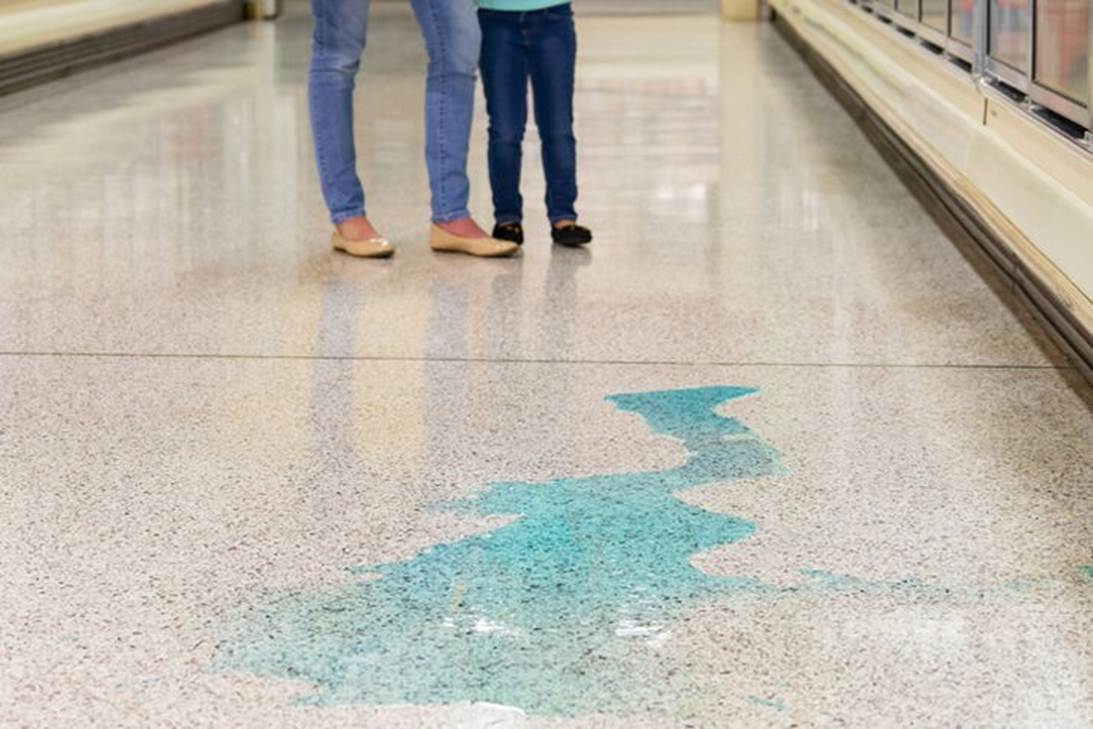
Hollywood Slip-and-Fall Claims: Proving a Hazard Existed
Slip-and-fall accidents are among the most common causes of injury in Hollywood, Florida, particularly in places such as grocery stores, shopping plazas, hotels near Hollywood Beach, restaurants, apartment complexes, and office buildings. While some falls may seem minor at first, many lead to serious injuries including broken bones, head trauma, and long-term mobility issues.
When a slip-and-fall accident occurs, one of the most important legal questions becomes: Did a dangerous condition exist, and did the property owner fail to address it?
Proving that a hazard existed is the foundation of any successful Hollywood slip-and-fall claim. Without clear evidence of a dangerous condition and negligence by the property owner or manager, insurance companies often deny or undervalue injury claims.
Understanding how hazards are proven, what evidence matters, and how Florida law applies can help injured victims protect their rights and pursue fair compensation.
Understanding Slip-and-Fall Liability in Florida
Slip-and-fall accidents fall under the legal category of premises liability. Property owners and businesses throughout Broward County have a duty to maintain reasonably safe conditions for visitors, customers, and tenants.
Under Florida Statute § 768.0755, a person injured in a slip-and-fall case involving a transitory foreign substance must prove that the business establishment had actual or constructive knowledge of the dangerous condition and failed to correct it.
This means the victim must show either:
- The property owner knew about the hazard, or
- The hazard existed long enough that the owner should have discovered it through reasonable care
Examples of transitory hazards include:
- Spilled liquids
- Food debris
- Recently mopped floors without warning signs
- Ice or condensation buildup
- Grease or oil on flooring
These hazards frequently appear in high-traffic businesses such as grocery stores and restaurants throughout Hollywood.
Common Hazards That Cause Slip-and-Fall Accidents
Many slip-and-fall accidents occur because dangerous conditions are not promptly addressed.
Common hazards include:
Wet Floors
Spills, leaks, and freshly cleaned floors are leading causes of falls in stores and restaurants. If warning signs are missing or placed improperly, customers may walk into a dangerous area unknowingly.
Uneven Flooring
Broken tiles, loose carpeting, cracked sidewalks, and uneven pavement can cause sudden trips and falls. Property owners must repair these conditions within a reasonable time.
Poor Lighting
Dim lighting in parking garages, stairwells, and walkways can make hazards difficult to see. Poor visibility often contributes to accidents in apartment complexes and shopping centers.
Obstructed Walkways
Boxes, merchandise displays, or equipment left in walkways can create dangerous obstacles.
Outdoor Hazards
Rainwater tracked into buildings, slippery sidewalks near the Hollywood Broadwalk, and poorly maintained parking lots are common sources of accidents in South Florida.
Why Proving a Hazard Is So Important
Insurance companies rarely accept liability in slip-and-fall cases without strong evidence.
Their goal is often to argue:
- The hazard never existed
- The hazard was too minor to cause a fall
- The victim was not paying attention
- The property owner had no reasonable opportunity to fix the problem
Because of these defenses, victims must present clear proof that:
- A dangerous condition existed
- The property owner knew or should have known about it
- The hazard caused the fall and resulting injuries
Without this proof, insurers may attempt to deny the claim entirely.
Key Evidence Used to Prove a Hazard
Successful slip-and-fall claims rely on strong documentation. The earlier evidence is collected, the more powerful it becomes.
Photographs and Video
Photographs taken immediately after the fall can capture the hazard exactly as it existed.
Important details to document include:
- The substance or object that caused the fall
- The surrounding floor area
- Absence of warning signs
- Lighting conditions
- Nearby surveillance cameras
Video footage from store security cameras can be especially powerful. It may show:
- The hazard forming
- Employees walking past it without cleaning it
- The victim slipping and falling
Surveillance evidence can prove that the hazard existed for an extended period.
Incident Reports
Most businesses create an incident report when a customer falls. While these reports are not always admissions of fault, they often contain valuable information.
Reports may include:
- Statements from employees
- Description of the hazard
- Time and location of the accident
- Initial observations about injuries
Requesting a copy of this report can be an important step.
Witness Statements
Witnesses can confirm:
- The presence of the hazard
- How long the hazard was present
- Whether employees were aware of it
- The circumstances of the fall
Independent witnesses can greatly strengthen a claim, especially if store employees dispute the victim’s version of events.
Maintenance and Cleaning Records
Businesses are expected to inspect and maintain their premises regularly.
Maintenance records may show:
- How often employees check for hazards
- When the last inspection occurred
- Whether spills or dangerous conditions were reported
If records reveal that inspections were infrequent or skipped, it may demonstrate negligence.
Employee Testimony
Employees sometimes acknowledge that:
- A spill was reported earlier
- A cleaning task had not yet been completed
- The hazard had existed for a significant time
Such testimony can be crucial in establishing constructive knowledge.
Understanding Constructive Knowledge
Constructive knowledge is a key concept in Florida slip-and-fall law.
A business may be held responsible if the hazard:
- Existed long enough that employees should have discovered it, or
- Occurred regularly and was therefore foreseeable
For example:
- A grocery store spill that remains on the floor for 45 minutes may demonstrate constructive knowledge.
- A leaking freezer that repeatedly creates puddles may also show that the business should have anticipated the hazard.
Courts evaluate factors such as foot traffic, employee inspections, and prior incidents when determining constructive knowledge.
Injuries Commonly Seen in Slip-and-Fall Accidents
Slip-and-fall accidents often cause serious injuries, particularly among older adults.
Common injuries include:
- Broken wrists and arms
- Hip fractures
- Traumatic brain injuries
- Spinal cord injuries
- Torn ligaments
- Severe back and neck injuries
These injuries frequently require surgery, rehabilitation, and long-term medical treatment.
Medical documentation plays a vital role in demonstrating the full extent of the victim’s damages.
Damages Available in Slip-and-Fall Claims
Victims injured in Hollywood slip-and-fall accidents may be entitled to several forms of compensation.
Medical Expenses
This includes both current and future medical costs such as:
- Emergency treatment
- Hospitalization
- Surgery
- Physical therapy
- Prescription medications
Lost Wages
If injuries prevent victims from working, compensation may cover:
- Lost income
- Reduced earning capacity
- Missed business opportunities
Pain and Suffering
Slip-and-fall injuries can lead to long-term physical pain and emotional distress. Compensation may be available for:
- Chronic pain
- Mental anguish
- Reduced quality of life
Out-of-Pocket Expenses
Victims may also recover expenses related to:
- Transportation to medical appointments
- Home modifications
- Mobility devices
Common Mistakes That Hurt Slip-and-Fall Claims
Certain mistakes can weaken a case and make it easier for insurance companies to deny liability.
These include:
- Failing to report the accident immediately
- Not documenting the hazard with photos
- Delaying medical treatment
- Posting details about the accident on social media
- Giving recorded statements to insurance adjusters without legal advice
Taking the right steps early can significantly strengthen a claim.
The Role of a Personal Injury Attorney
Slip-and-fall cases often involve aggressive insurance defense strategies. An experienced personal injury attorney can help by:
- Investigating the accident
- Preserving surveillance footage
- Interviewing witnesses
- Reviewing maintenance records
- Consulting safety experts
- Negotiating with insurance companies
If a fair settlement cannot be reached, an attorney may file a lawsuit to pursue full compensation.
Protecting Your Rights After a Slip-and-Fall Accident
Slip-and-fall accidents in Hollywood, Fort Lauderdale, Plantation, Davie, and throughout Broward County can cause serious injuries and unexpected financial burdens. Proving that a dangerous hazard existed is often the most important step in holding negligent property owners accountable.