Hollywood Pedestrian Accidents: Crosswalk Evidence Checklist
Pedestrian accidents in Hollywood, Florida, are a serious public safety concern. Streets such as Hollywood Boulevard, U.S. 1, Sheridan Street, and Johnson Street are often congested with traffic, making crosswalks critical points where pedestrians are most vulnerable. When a pedestrian is struck, establishing liability quickly and accurately is essential to recovering medical expenses, lost wages, and compensation for pain and suffering.
Evidence plays a pivotal role in pedestrian accident claims. Crosswalk accidents often involve conflicting accounts, multiple witnesses, and complex insurance disputes. To build a strong case, victims and attorneys need a systematic approach to documenting the scene, injuries, and driver behavior.
This article provides a detailed crosswalk evidence checklist for Hollywood pedestrian accident victims, explains why each piece of evidence matters, and outlines the steps to protect your rights under Florida law.
Why Crosswalk Accidents Require Special Evidence
Florida law recognizes that pedestrians have the right-of-way in marked crosswalks. According to Florida Statute § 316.130, drivers must yield to pedestrians crossing the street within marked crosswalks. However, liability disputes often arise because:
- Drivers may claim the pedestrian was outside the crosswalk.
- Pedestrians may be partially at fault under comparative negligence rules.
- Witnesses may offer conflicting accounts of vehicle speed, braking, or pedestrian behavior.
Strong evidence is essential to:
- Establish that the pedestrian was lawfully crossing.
- Prove that the driver failed to yield or was otherwise negligent.
- Support claims for medical bills, lost income, and non-economic damages.
Immediate Steps After a Pedestrian Accident
- Ensure Safety and Seek Medical Care
- Call 911 immediately. Emergency personnel will assess injuries and transport victims if necessary.
- Even if injuries appear minor, early documentation is critical for both medical treatment and insurance claims.
- Notify Law Enforcement
- Police will document the scene, interview witnesses, and issue citations if appropriate.
- A police report is one of the most authoritative pieces of evidence in pedestrian accidents.
- Document the Scene Thoroughly
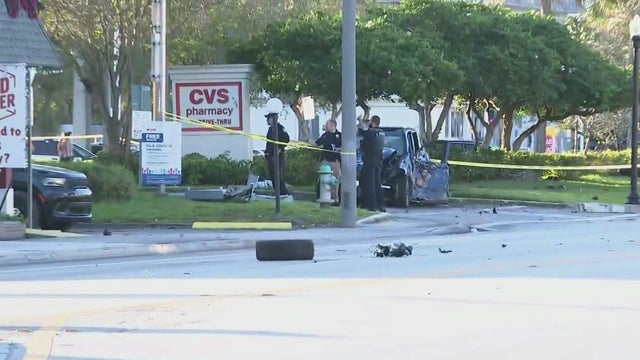
- Take photographs of the crosswalk, street markings, traffic signals, vehicle positions, skid marks, and debris.
- Note weather, lighting, visibility, and any obstructions that may have contributed to the accident.
- Collect Witness Information
- Obtain names and contact details of anyone who saw the pedestrian in the crosswalk, the vehicle approach, or the collision.
- Preserve Vehicle and Property Evidence
- Avoid moving vehicles until documented by police unless necessary for safety.
- Keep damaged personal property, such as clothing or mobility aids, intact for evidence.
Crosswalk Evidence Checklist
A systematic approach ensures nothing is overlooked. Below is a comprehensive checklist to gather critical evidence in Hollywood pedestrian accidents:
1. Scene Documentation
- Crosswalk Location – Photograph the exact crosswalk where the accident occurred.
- Street Markings and Signage – Include stop lines, traffic lights, pedestrian signals, and any faded markings.
- Traffic Conditions – Document the number of lanes, speed limits, and vehicle positions.
- Obstructions – Trees, parked cars, or other obstacles that may have blocked the driver’s view.
- Debris and Skid Marks – Indicates braking patterns and the point of impact.
2. Vehicle Evidence
- Driver’s Vehicle Position – Photograph the car’s final location relative to the crosswalk.
- Damage Patterns – Front-end, side, or windshield damage can indicate vehicle speed and angle of impact.
- License Plate and Make/Model – Essential if the driver flees the scene.
3. Pedestrian Evidence
- Clothing and Footwear – May show the point of contact.
- Medical Documentation – Emergency room records, imaging, and physician notes.
- Personal Items – Items struck by the vehicle (bags, phones) can help establish impact point.
4. Witness Statements
- Pedestrians or Bystanders – Observations of the pedestrian’s actions and vehicle approach.
- Other Drivers – May provide unbiased perspectives on driver speed, behavior, or failure to yield.
- Passengers in the Vehicle – May corroborate or contradict the driver’s account.
5. Traffic Signal and Camera Evidence
- Traffic Light Timing – Confirms whether the pedestrian had the walk signal.
- Surveillance Cameras – Nearby businesses or city cameras may capture the accident.
- Dashcam Footage – Provides real-time evidence of vehicle speed, braking, and driver distraction.
6. Expert Evidence
- Accident Reconstruction – Specialists can determine vehicle speed, point of impact, and trajectory.
- Medical Experts – Confirm the relationship between impact forces and injuries sustained.
- Traffic Engineers – Evaluate crosswalk visibility, signal timing, and potential design flaws.
7. Documentation of Injuries and Damages
- Medical Bills and Receipts – Include all emergency treatment, therapy, medications, and follow-ups.
- Lost Wages Documentation – Employer statements, pay stubs, and disability claims.
- Pain and Suffering Logs – Daily journals detailing physical limitations, emotional distress, and quality of life impact.
Common Challenges in Crosswalk Accident Claims
- Disputed Pedestrian Position
- Drivers may claim the pedestrian was outside the marked crosswalk. Clear photographic evidence and witness statements are critical.
- Comparative Negligence
- Florida’s system reduces compensation if the pedestrian shares fault. Evidence must show the pedestrian acted reasonably and lawfully.
- Insurance Company Pushback
- Adjusters may argue minor vehicle damage or delayed medical treatment indicates exaggeration. Comprehensive documentation combats these claims.
- Hit-and-Run Scenarios
- Collect vehicle description, license plate numbers, and surveillance evidence to support uninsured motorist (UM) claims.
How Attorneys Use Crosswalk Evidence
- Compile Documentation – Collect all photos, videos, medical records, and police reports.
- Coordinate Experts – Accident reconstruction, traffic engineering, and medical experts provide objective analysis.
- Negotiate With Insurers – Attorneys present a clear case that the pedestrian was lawfully crossing, emphasizing driver negligence.
- File Civil Claims – If insurance disputes persist, attorneys pursue legal action to recover full damages.
- Maximize Compensation – Ensures victims receive compensation for past and future medical costs, lost wages, and pain and suffering.
Practical Tips for Pedestrian Accident Victims
- Seek Immediate Medical Care – Protect health and document injuries.
- Document the Scene Quickly – The earlier, the better.
- Preserve Evidence – Skid marks, debris, and damaged personal property.
- Avoid Social Media Statements – Insurance companies can use posts against claims.
- Consult a Hollywood Personal Injury Attorney – Ensures evidence is collected properly, UM/PIP benefits are maximized, and insurance disputes are handled effectively.
Real-World Example
- Hollywood Boulevard Crosswalk Accident – A pedestrian was struck while crossing legally with the walk signal. The driver claimed the pedestrian darted into traffic.
- Evidence Collected – Traffic camera footage, witness statements, skid mark analysis, and emergency room records.
- Attorney Intervention – Reconstruction expert confirmed lawful pedestrian behavior and driver negligence.
- Outcome – Full compensation for medical bills, lost wages, and non-economic damages was obtained despite the driver’s initial denial of fault.
This example highlights the importance of comprehensive evidence collection and legal advocacy in crosswalk accidents.
Conclusion
Pedestrian accidents in Hollywood crosswalks are complex, often involving disputes over right-of-way, injury severity, and driver negligence. A systematic evidence collection approach—including photographs, witness statements, police reports, traffic data, and expert analysis—is essential to establishing liability and securing compensation.