Hollywood Injury Claims: Building a Strong Case Without Guesswork
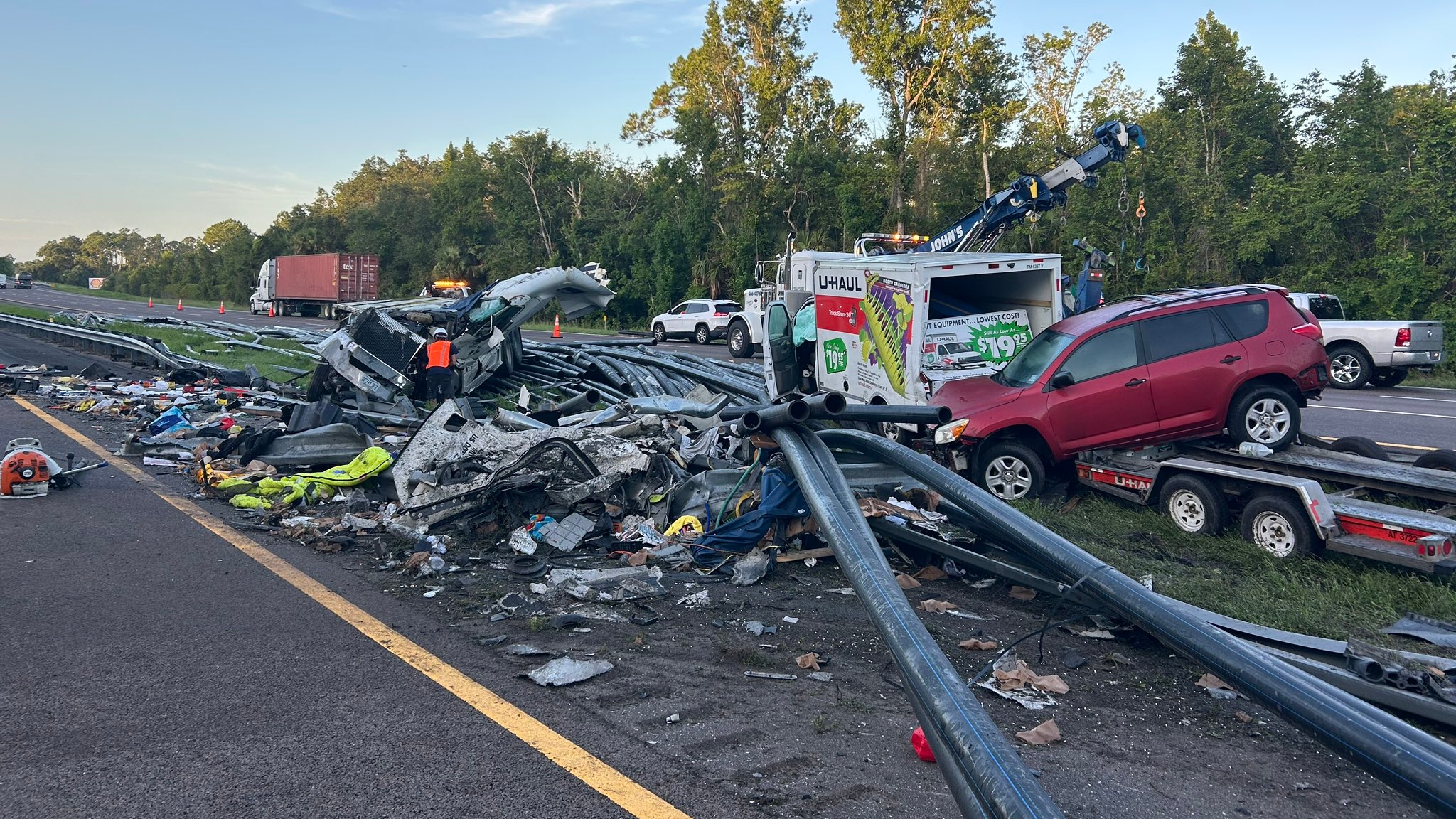
Accidents in Hollywood, Florida, happen every day—whether on U.S. 1, State Road 7, or the bustling streets connecting Fort Lauderdale, Dania Beach, and Pembroke Pines. Car crashes, slip-and-fall injuries, workplace incidents, and bicycle or pedestrian accidents can all lead to serious injuries. For victims, the key to a successful personal injury claim is building a strong, evidence-backed case—without relying on guesswork or assumptions.
Injury claims involve more than reporting an accident and hoping for a fair settlement. Insurance companies scrutinize every detail, often trying to minimize payouts. Knowing how to collect evidence, document damages, and present your claim professionally is critical for maximizing compensation and protecting your rights under Florida law.
Understanding the Foundations of a Strong Injury Case
A strong personal injury case rests on three pillars: liability, damages, and causation.
- Liability – Who caused the accident? In Hollywood, liability may involve drivers, property owners, employers, or even government entities responsible for road maintenance.
- Damages – What are the measurable losses? This includes medical bills, lost income, property damage, pain and suffering, and long-term rehabilitation.
- Causation – How did the accident cause your injuries? Establishing a clear connection between the accident and resulting damages is essential for a successful claim.
By focusing on these elements and relying on verifiable evidence rather than speculation, you create a compelling foundation for your claim.
Common Causes of Accidents in Hollywood, Florida
Understanding common accident scenarios helps anticipate the type of evidence needed. Some of the most frequent accidents include:
- Motor Vehicle Accidents: Rear-end collisions, T-bone crashes, and multi-vehicle pileups.
- Slip-and-Fall Incidents: Wet floors, uneven pavement, and poorly maintained sidewalks.
- Workplace Injuries: Construction accidents, falls from heights, or machinery-related injuries.
- Bicycle and Pedestrian Accidents: Collisions at crosswalks, bike lanes, or intersections.
In each scenario, early and accurate documentation prevents guesswork and strengthens your position in negotiations or litigation.
Immediate Steps After an Accident
Acting promptly after an accident is critical for evidence preservation and claim credibility:
- Seek Medical Attention
- Even minor injuries can worsen over time. Immediate treatment ensures proper documentation for your claim.
- Call Law Enforcement
- Police reports provide an official account of the incident, listing witnesses, citations, and basic accident details.
- Document the Scene
- Take photos and videos of vehicles, property damage, skid marks, road conditions, and environmental factors.
- Capture lighting, weather, and traffic conditions to provide context.
- Collect Witness Information
- Names, phone numbers, and addresses of anyone who saw the accident can corroborate your version of events.
- Preserve Physical Evidence
- Keep damaged property, clothing, or personal items relevant to the accident.
Taking these steps immediately prevents reliance on assumptions later and ensures that your case is grounded in fact-based evidence.
Avoiding Common Mistakes That Undermine Your Claim
Many Hollywood injury victims unintentionally weaken their claims by making avoidable errors:
- Guessing About Fault: Do not assume liability; let evidence and professionals determine fault.
- Delaying Medical Care: Late treatment can make it harder to link injuries to the accident.
- Posting on Social Media: Insurers monitor posts that may contradict your claim.
- Not Keeping Records: Lost receipts, repair bills, or medical documents can reduce compensation.
- Underestimating Future Costs: Include long-term care, therapy, and ongoing medical needs in your damage calculations.
How to Build a Strong Case Without Guesswork
1. Gather Comprehensive Evidence
- Accident Scene Photos: Capture vehicles, road conditions, traffic signals, and any contributing hazards.
- Medical Records: Detailed documentation of injuries, treatment plans, and recovery timelines.
- Witness Statements: Independent accounts that corroborate your version of events.
- Expert Reports: In serious cases, accident reconstruction experts or medical specialists can provide objective assessments.
2. Maintain Organized Records
- Track all medical bills, rehabilitation costs, lost wages, and property repairs.
- Use a chronological log for appointments, symptoms, and ongoing limitations.
- Organized records strengthen your credibility and support a precise claim calculation.
3. Understand Insurance Policies
- Know your PIP, UM/UIM, and liability limits in Florida.
- Clarify whether stacking applies if multiple vehicles or family members are involved.
- Understanding policy terms ensures your demand is realistic and maximizes recovery.
4. Avoid Speculation
- Stick to verified facts when discussing the accident or injuries.
- Avoid guessing about vehicle speeds, fault percentages, or injury causes.
- Statements grounded in facts carry more weight in settlement negotiations or court proceedings.
5. Engage a Hollywood Personal Injury Attorney Early
- Attorneys can review your evidence, advise on documentation, and calculate damages accurately.
- They handle communications with insurers, counter lowball offers, and prepare for litigation if needed.
- Experienced attorneys know local traffic patterns, accident hotspots, and common insurance tactics in Broward County, giving you a strategic advantage.
Using Evidence Strategically in Negotiations
Insurance adjusters evaluate claims based on evidence and supporting documentation. A well-documented case can:
- Establish fault clearly and convincingly.
- Demonstrate the severity of injuries and ongoing impact on daily life.
- Highlight the cost of medical treatment, lost wages, and rehabilitation.
- Support your settlement demand with verifiable numbers rather than estimates.
By presenting a fact-based case, you reduce uncertainty and limit opportunities for insurers to undervalue or challenge your claim.
Special Considerations for Hollywood Accident Victims
- Pedestrian and Bicycle Safety: Crosswalks and bike lanes may involve unique liability issues. Photographs and witness accounts are crucial.
- Multi-Vehicle Collisions: Document each vehicle’s position and damage to determine comparative negligence.
- Workplace Injuries: OSHA reports, incident documentation, and witness statements support injury claims.
- Hit-and-Run Incidents: Surveillance cameras, traffic cameras, and witness reports can substitute for missing at-fault driver information.
Conclusion
Building a strong Hollywood personal injury case requires precision, documentation, and legal guidance. Avoiding guesswork ensures your claim is based on facts, evidence, and verifiable damages rather than assumptions or speculation. From immediate scene documentation to organized medical records, every step contributes to a compelling, credible case.
A Hollywood personal injury attorney can:
- Guide evidence preservation and documentation
- Review and interpret insurance coverage limits
- Draft persuasive demand letters backed by facts
- Negotiate effectively with insurers
- Prepare for litigation if necessary