
Hollywood Apartment Injuries: Landlord Maintenance Responsibilities
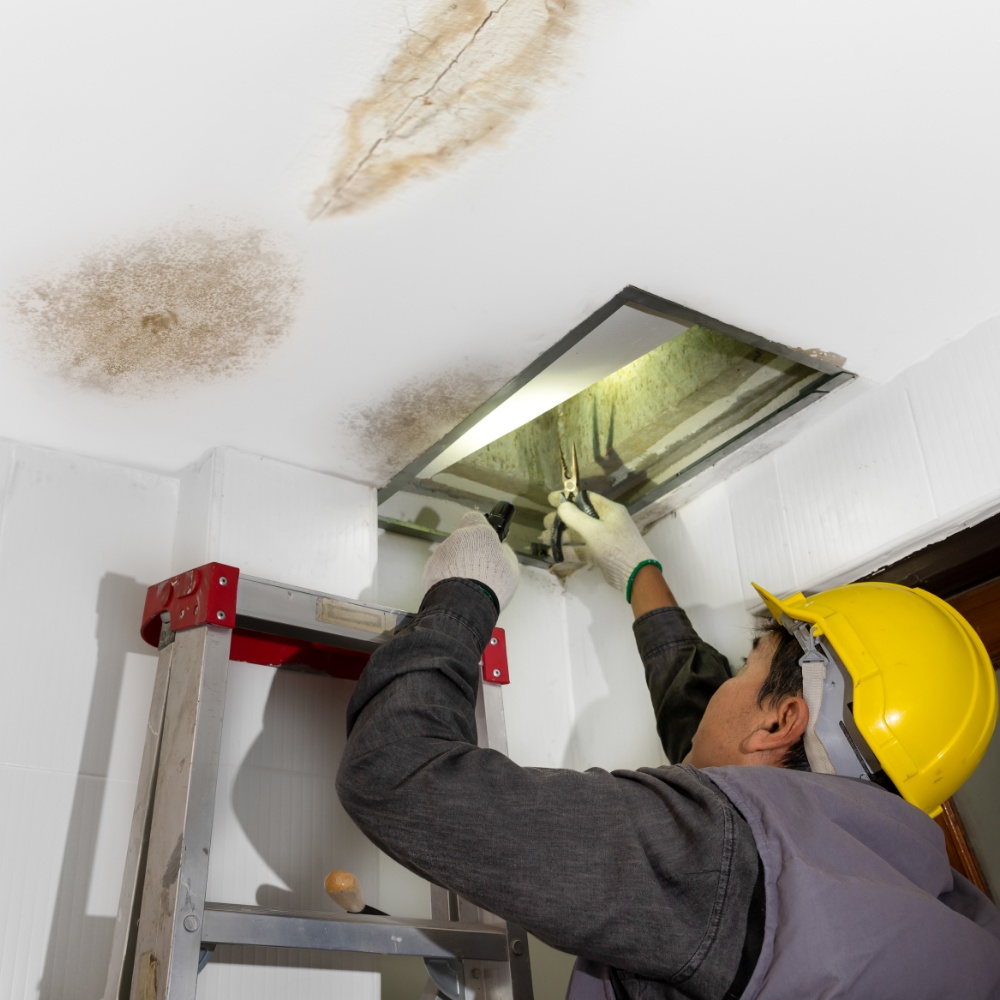
Apartment living is common in Hollywood, Florida, with thousands of residents relying on landlords and property managers to keep their buildings safe and livable. But what happens when poor maintenance leads to an injury?
Imagine walking down a stairwell with a loose railing, slipping on water from a leaking pipe, or tripping over broken flooring in a hallway. These situations are not just inconvenient — they can cause serious injuries.
Under Florida law, landlords are required to maintain their properties in a reasonably safe condition. When they fail to address known hazards or ignore maintenance responsibilities, injured tenants or visitors may have legal grounds to pursue a claim.
Let’s break down how landlord maintenance responsibilities work, what hazards commonly lead to apartment injuries, and how liability may be determined after an accident.
Why Maintenance Responsibilities Matter in Apartment Buildings
Apartment buildings contain shared living spaces and structural systems that affect many residents at once.
These may include:
- Stairways
- Elevators
- Hallways
- Parking lots
- Plumbing systems
- Electrical systems
- Roofs and ceilings
If these areas are not properly maintained, the risk of injury increases significantly.
For example, a loose handrail on a staircase might seem minor — until someone falls and suffers a fractured hip or head injury.
That’s why landlords are expected to actively inspect, repair, and maintain the property rather than simply waiting for tenants to report problems.
Florida Landlord Duties for Property Maintenance
Florida landlord-tenant laws outline several basic obligations for property owners.
These responsibilities typically include:
- Maintaining structural components such as roofs, walls, floors, and stairways
- Ensuring electrical and plumbing systems work safely
- Providing adequate lighting in common areas
- Keeping hallways, walkways, and entrances free of hazards
- Addressing dangerous conditions within a reasonable time
The goal is simple:
Residents and visitors should be able to use the property without facing unnecessary safety risks.
When landlords neglect these duties, accidents may occur.
Common Maintenance Issues That Cause Apartment Injuries
Many apartment injury claims stem from hazards that should have been repaired earlier.
Let’s look at several of the most common problems.
Broken Stairs and Loose Railings
Stairways are one of the most dangerous locations in apartment buildings.
Common hazards include:
- Broken steps
- Loose railings
- Uneven stair surfaces
- Poor lighting
These problems increase the risk of falls, especially for children and older residents.
Landlords are expected to inspect stairways regularly and repair damage quickly.
Ignoring a known stair hazard can expose residents to serious injuries.
Water Leaks and Slippery Floors

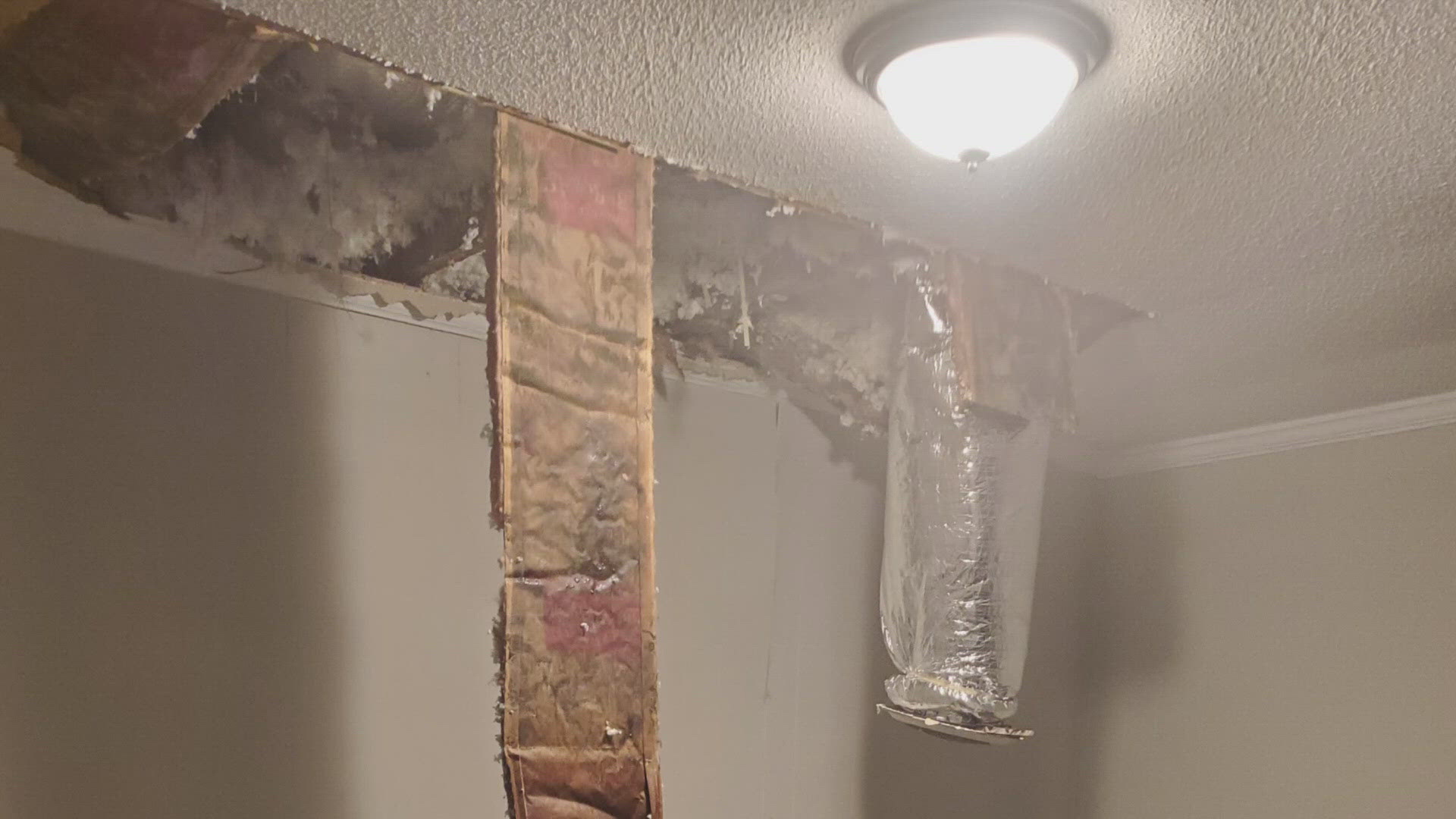
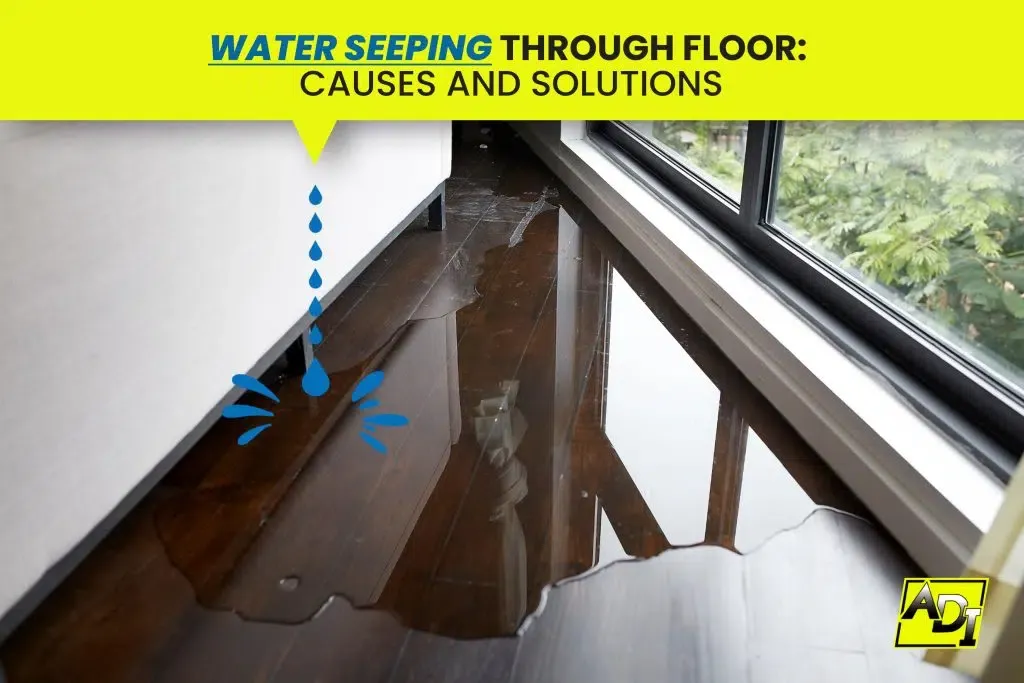

Water leaks are another common cause of apartment injuries.
Leaks may come from:
- Broken pipes
- Faulty appliances
- Roof damage
- Air conditioning systems
When water accumulates on floors, it creates slip hazards.
If a landlord fails to repair plumbing issues or ignores recurring leaks, the risk of accidents increases dramatically.
Poor Lighting in Common Areas
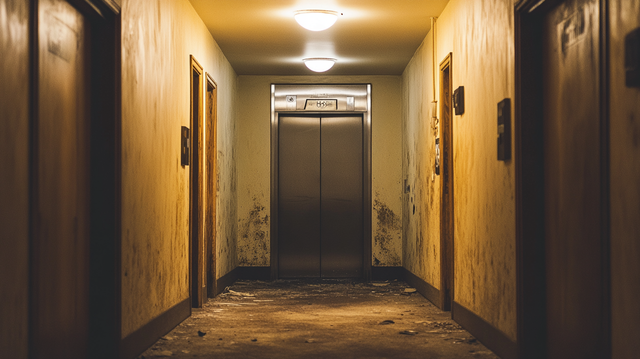
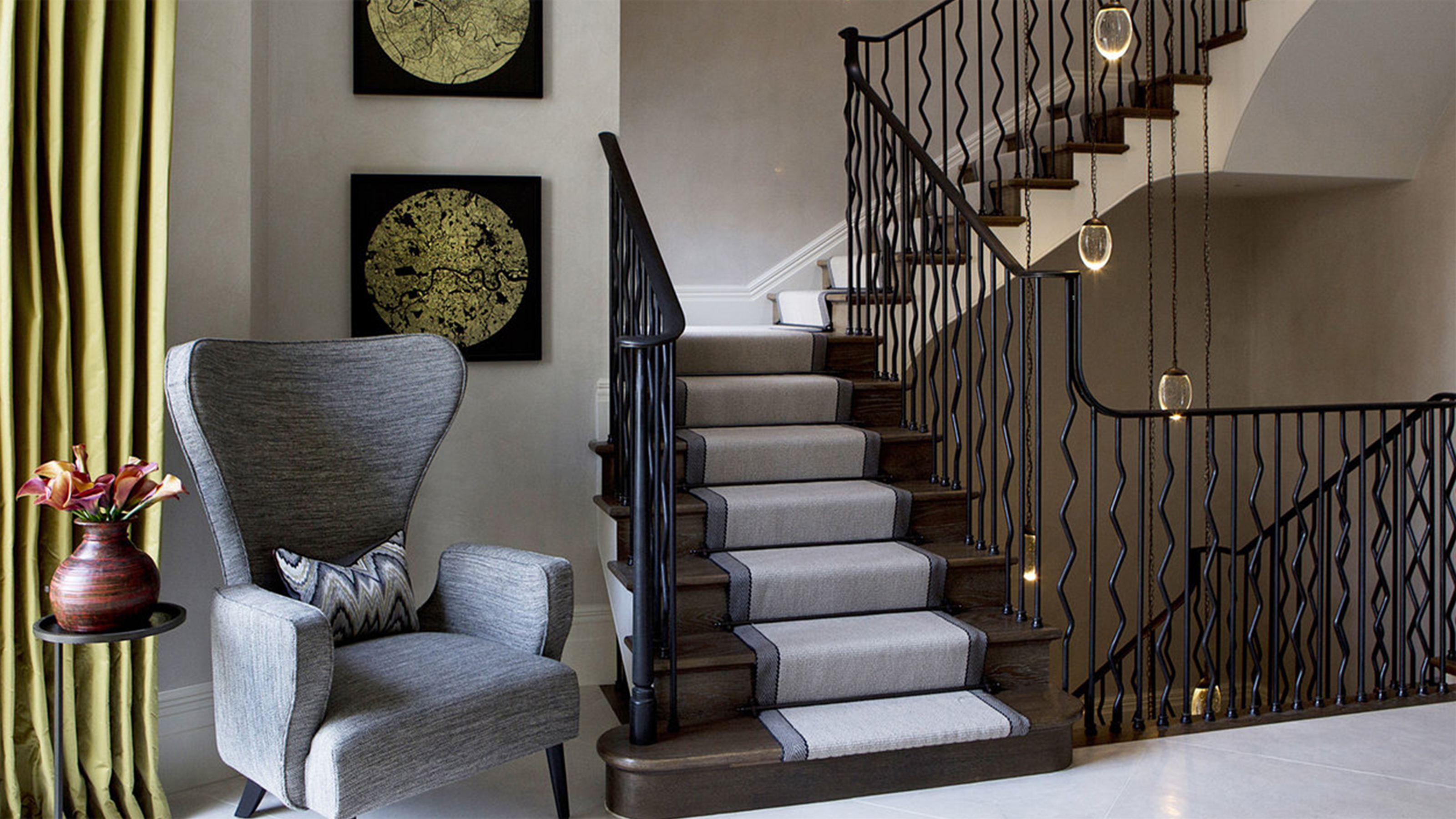


Lighting may seem like a small detail, but it plays a major role in preventing accidents.
Poor lighting can make it difficult for residents to see hazards such as:
- Wet floors
- Broken tiles
- Uneven pavement
- Obstacles in walkways
Landlords are responsible for maintaining adequate lighting in shared areas, including stairwells, hallways, and parking lots.
When lights go unrepaired for long periods, accidents may occur.
Broken Flooring and Walkway Hazards
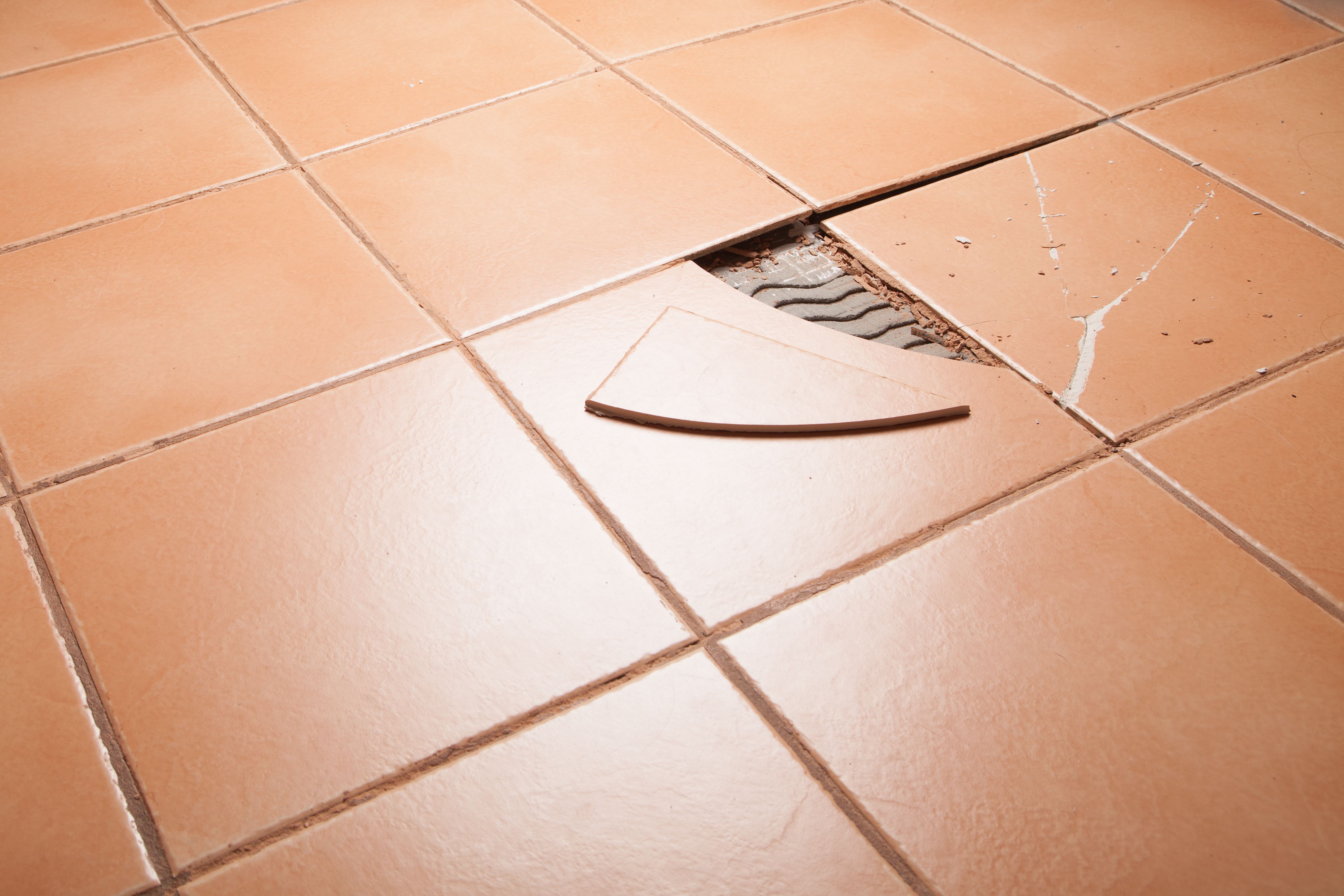

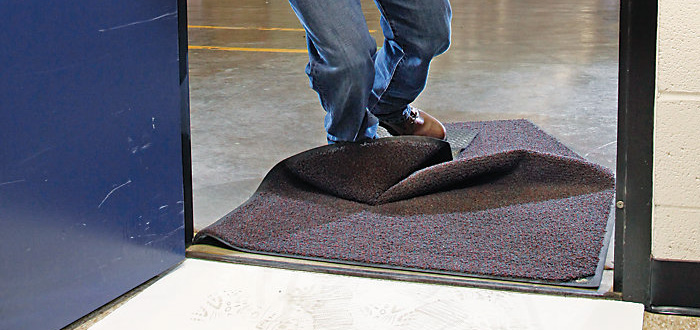
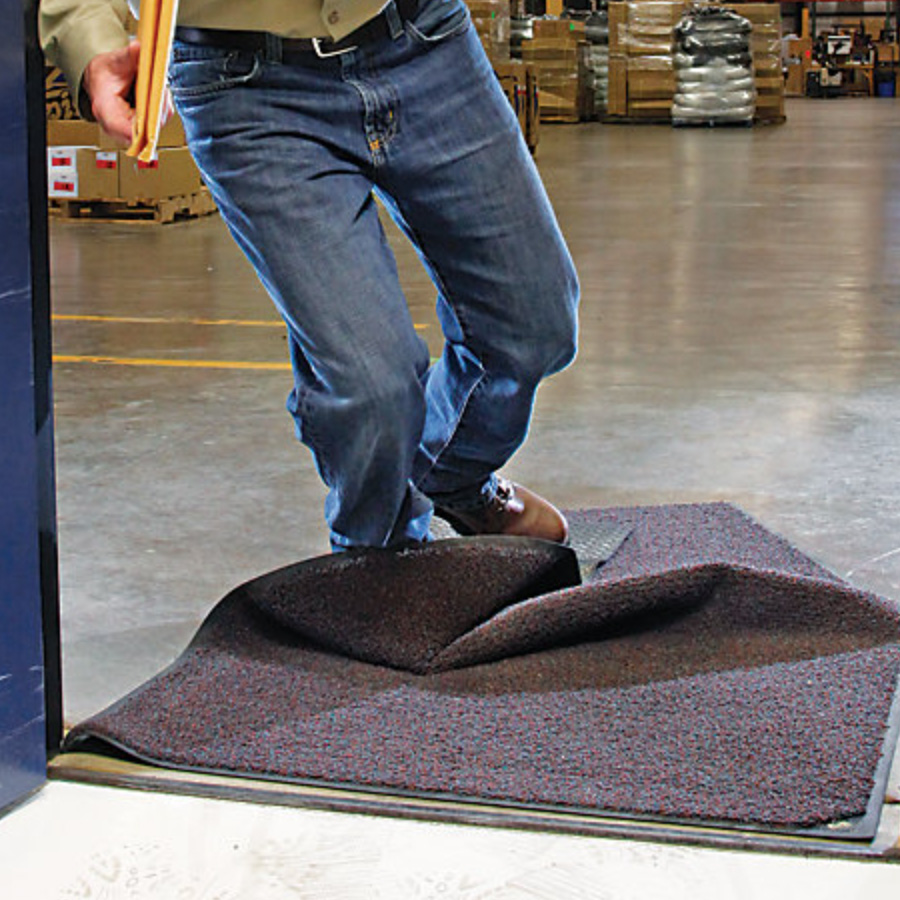
Damaged flooring is another frequent cause of injuries in apartment complexes.
Examples include:
- Cracked tiles
- Loose carpeting
- Uneven sidewalks
- Broken pavement
These hazards can easily cause trip-and-fall accidents, especially when residents are carrying groceries or moving quickly through common areas.
Routine inspections are essential to identify and repair these issues.
The Importance of Tenant Complaints and Maintenance Requests
Tenants often notify landlords about hazards through maintenance requests.
These requests may involve:
- Written repair notices
- Online maintenance forms
- Emails to property managers
- Verbal complaints to building staff
Once a landlord receives notice of a dangerous condition, they typically have a reasonable amount of time to fix the problem.
Ignoring repeated complaints can significantly strengthen a claim if an injury occurs.
Constructive Knowledge: What Landlords Should Have Known
Even if tenants never report a problem, landlords may still be responsible if they should have known about the hazard.
This concept is known as constructive knowledge.
Examples include:
- A stair railing that has been loose for months
- A long-standing roof leak
- Broken lighting that has not worked for weeks
If a hazard existed long enough that a reasonable inspection would have discovered it, the landlord may still be liable.
Evidence Used in Apartment Injury Cases
When someone is injured due to poor maintenance, investigators often gather several types of evidence.
Important evidence may include:
- Maintenance records
- Repair requests from tenants
- Photographs of the hazard
- Surveillance camera footage
- Witness statements
- Building inspection reports
These materials help establish how long the hazard existed and whether the landlord responded appropriately.
Injuries Commonly Caused by Apartment Hazards
Apartment accidents can cause a wide range of injuries.
Some of the most common include:
- Broken wrists and arms
- Hip fractures
- Back injuries
- Knee injuries
- Head trauma
- Concussions
Falls are particularly dangerous for older residents, who may experience long recovery periods or permanent mobility limitations.
Landlord Responsibility for Visitors and Guests
Maintenance duties do not apply only to tenants.
Landlords may also be responsible for injuries involving:
- Visiting friends or family
- Delivery drivers
- Maintenance contractors
- Prospective renters touring the property
If a hazardous condition exists in a common area, anyone lawfully on the property could potentially be affected.
When Landlords May Not Be Responsible
Not every apartment injury results from landlord negligence.
In some cases, responsibility may fall elsewhere.
Examples might include:
- Hazards created by a tenant inside their own unit
- Injuries caused by reckless behavior
- Situations where the hazard appeared moments before the accident
Each case depends on the specific circumstances and available evidence.
Comparative Fault in Florida Injury Cases
Florida follows a comparative fault system.
This means multiple parties may share responsibility for an accident.
For example:
- A landlord may be 70% responsible for failing to fix a stair hazard
- A tenant may be 30% responsible for ignoring warning signs
In these situations, compensation may be reduced based on the injured person’s share of fault.
Types of Damages in Apartment Injury Claims
When landlord negligence contributes to an injury, several forms of damages may be considered.
Medical Expenses
Medical damages may include:
- Emergency room care
- Hospital stays
- Surgery
- Rehabilitation
- Physical therapy
- Future medical treatment
Lost Income
Serious injuries may prevent a person from working.
Compensation may address:
- Lost wages during recovery
- Reduced future earning ability
Pain and Suffering
Injuries may also affect daily life in ways that go beyond financial costs.
Non-economic damages may include:
- Physical pain
- Emotional distress
- Reduced quality of life
- Limitations on everyday activities
Preventing Apartment Injuries Through Proper Maintenance
Good property management focuses on preventing hazards before injuries occur.
Effective maintenance practices often include:
- Routine building inspections
- Prompt repair of reported problems
- Proper lighting in all common areas
- Scheduled maintenance of structural components
- Clear documentation of repair work
These steps help create safer living environments for tenants and visitors alike.
Final Thoughts
Apartment injuries in Hollywood often stem from hazards that could have been prevented through proper maintenance.
Landlords have a legal responsibility to:
- Maintain safe common areas
- Address hazards promptly
- Respond to tenant complaints
- Conduct regular property inspections