
Fort Lauderdale T-Bone Collisions: Why They Cause Severe Harm
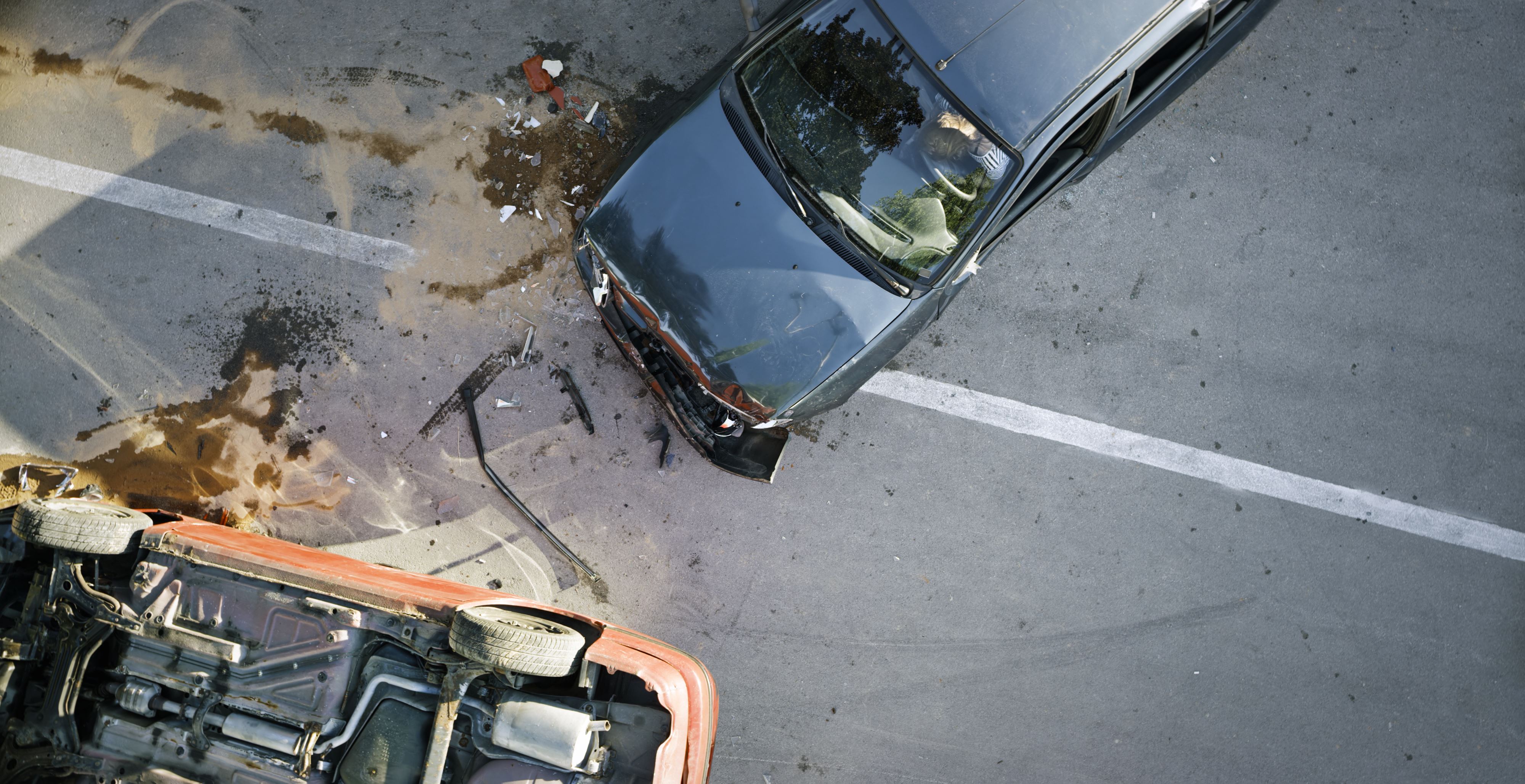
T-bone accidents—also known as side-impact collisions—are among the most dangerous types of crashes on Fort Lauderdale roads. These accidents occur when the front of one vehicle strikes the side of another, forming a “T” shape at the point of impact.
Unlike rear-end crashes, where the back of a vehicle absorbs much of the force, T-bone collisions strike the side of a vehicle where occupants have far less protection. Because the doors and side panels provide limited structural defense compared to the front or rear of a car, these crashes frequently result in severe injuries.
Across Fort Lauderdale and Broward County, T-bone accidents are especially common at busy intersections such as those along Sunrise Boulevard, Broward Boulevard, Federal Highway, and Oakland Park Boulevard. Understanding why T-bone collisions cause severe harm can help drivers recognize the risks and understand their legal rights after an accident.
How T-Bone Collisions Happen
Most T-bone accidents occur at intersections when one driver fails to yield the right of way. These crashes often happen when vehicles are traveling at significant speeds, increasing the force of impact.
Several factors commonly lead to T-bone collisions in Fort Lauderdale:
- Running red lights or stop signs
- Distracted driving
- Speeding through intersections
- Failing to yield while turning left
- Misjudging traffic signals
- Driving under the influence
Busy intersections throughout Broward County see heavy traffic volumes every day. When drivers ignore traffic signals or misjudge timing, the risk of a side-impact crash increases dramatically.
Florida traffic laws require drivers to obey traffic control devices and signals. Violations involving traffic signals are addressed under Florida Statutes §316.075.
Failing to follow these rules can place drivers directly in the path of cross traffic, creating the conditions for a T-bone crash.
Why Side-Impact Crashes Are So Dangerous
The primary reason T-bone collisions cause severe injuries is the lack of structural protection on the side of vehicles.
Most vehicles are designed with crumple zones at the front and rear. These zones absorb energy during a crash, helping reduce the force transferred to occupants.
However, the sides of vehicles contain:
- Thin door panels
- Windows
- Limited structural reinforcement
When a vehicle is struck from the side, there may be only a few inches separating the occupant from the impacting vehicle.
As a result, the force of the collision is transferred more directly to passengers.
The Role of Speed in T-Bone Crashes
Many T-bone collisions occur when one vehicle enters an intersection at normal or high speed. Because the struck vehicle is often traveling perpendicular to the impact, the collision can cause sudden and violent movement.
The force of the crash may:
- Push the struck vehicle sideways
- Cause the vehicle to spin
- Send the vehicle into another car or object
- Trigger rollover accidents in severe cases
These violent movements significantly increase the likelihood of serious injuries.
Speed-related driving violations are addressed under Florida Statutes §316.183, which requires drivers to operate vehicles at speeds that are reasonable and safe for current conditions.
Common Injuries in Fort Lauderdale T-Bone Accidents
Because side-impact collisions directly affect the passenger compartment, occupants often suffer severe trauma.
Some of the most common injuries associated with T-bone crashes include:
Traumatic Brain Injuries
The head may strike windows, pillars, or other interior surfaces during impact. This can lead to concussions or more serious traumatic brain injuries.
Symptoms may include:
- Headaches
- Memory loss
- Confusion
- Sensitivity to light or sound
- Difficulty concentrating
Brain injuries may have long-term effects on cognitive and physical function.
Spinal Cord Injuries
The sudden lateral force of a side-impact crash can damage the spine.
These injuries may include:
- Herniated discs
- Vertebral fractures
- Nerve compression
- Spinal cord trauma
In severe cases, spinal cord injuries may lead to partial or complete paralysis.
Chest and Internal Injuries
The impact from the side of a vehicle can compress the chest and torso.
This may result in:
- Rib fractures
- Lung injuries
- Internal bleeding
- Damage to vital organs
These injuries often require emergency medical treatment.
Pelvic and Hip Injuries
Passengers seated on the impacted side of the vehicle are especially vulnerable to pelvic injuries. The force of the collision may crush or compress the lower body against the interior of the vehicle.
Pelvic fractures can require extensive treatment and long recovery periods.
Florida’s No-Fault Insurance System
After a car accident in Fort Lauderdale, most injury claims initially fall under Florida’s no-fault insurance system.
Under the Florida Motor Vehicle No-Fault Law, drivers must carry Personal Injury Protection (PIP) coverage.
PIP benefits typically provide:
- 80% of medical expenses
- 60% of lost wages
- Up to $10,000 in benefits
Florida law requires accident victims to seek medical treatment within 14 days of the accident in order to qualify for these benefits.
When T-Bone Injuries Allow a Lawsuit
Because side-impact collisions frequently cause severe injuries, many victims qualify to pursue claims outside the no-fault system.
Under Florida Statutes §627.737, victims may pursue compensation when injuries involve:
- Permanent injury
- Significant loss of bodily function
- Permanent scarring or disfigurement
In these cases, compensation may include:
- Medical expenses
- Future treatment costs
- Lost wages
- Loss of earning capacity
- Pain and suffering
Comparative Fault in Intersection Accidents
Determining fault in T-bone collisions often requires careful investigation.
Florida follows a comparative negligence system under Florida Statutes §768.81.
This system allows responsibility for an accident to be divided among multiple parties.
For example, if one driver ran a red light while the other driver was speeding, both drivers may share some level of fault.
Comparative fault rules reduce compensation according to the injured person’s percentage of responsibility.
Evidence Used to Prove Liability
Several types of evidence may help determine who caused a T-bone collision.
Important evidence may include:
- Police crash reports
- Traffic signal timing records
- Witness statements
- Surveillance or traffic camera footage
- Vehicle damage patterns
- Accident reconstruction analysis
Because intersection accidents often involve conflicting accounts, strong evidence can play a crucial role in determining liability.
Why Legal Representation Matters
T-bone accidents often result in serious injuries and complex legal disputes. Insurance companies may attempt to shift blame or minimize the severity of injuries.
A Fort Lauderdale personal injury attorney can help by:
- Investigating the accident
- Gathering evidence from the scene
- Working with medical experts
- Negotiating with insurance companies
- Filing lawsuits when necessary
Most personal injury attorneys work on a contingency fee basis, meaning clients pay no upfront legal fees and attorneys are paid only if compensation is recovered.
Protecting Your Rights After a Fort Lauderdale T-Bone Accident
Side-impact collisions can cause devastating injuries and long-term consequences. The limited protection on the side of vehicles makes these crashes especially dangerous for drivers and passengers alike.
If you were injured in a T-bone accident in Fort Lauderdale or elsewhere in Broward County, understanding your legal rights is an important step toward recovery.
Speaking with an experienced Fort Lauderdale personal injury attorney can help ensure that evidence is preserved, liability is properly investigated, and the full extent of your damages is considered.
Most Fort Lauderdale personal injury law firms offer free consultations and no upfront fees, allowing accident victims to focus on healing while their legal team works to pursue fair compensation.