
Fort Lauderdale Multi-Car Pileups: Who Pays and When?
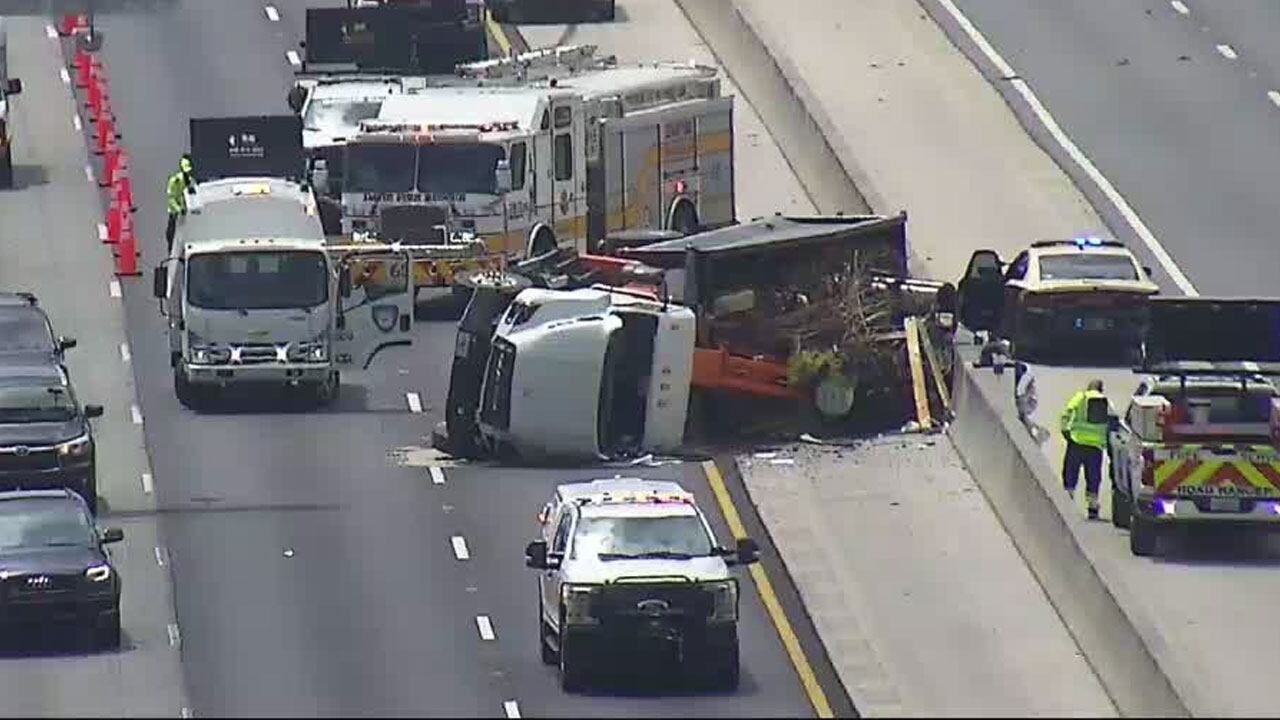
Multi-car accidents—often called chain-reaction crashes or pileups—are among the most complex types of traffic collisions that occur in Fort Lauderdale. These accidents typically involve three or more vehicles and can create confusion about how the crash started, who caused it, and who is responsible for the damages.
Pileups are especially common on busy South Florida roads such as I-95, I-595, Sunrise Boulevard, Broward Boulevard, and Federal Highway, where heavy traffic and sudden stops increase the risk of multiple vehicles colliding.
When several vehicles are involved in a crash, injured victims often ask an important question: who actually pays for the damages, and when does compensation happen?
Understanding how Fort Lauderdale multi-car pileups are handled under Florida law can help accident victims better navigate insurance claims and personal injury cases.
How Multi-Car Pileups Usually Happen
Multi-vehicle crashes typically begin with a single triggering event. Once the initial collision occurs, other vehicles may be unable to stop in time, creating a chain reaction.
Common causes of pileups in Fort Lauderdale include:
- Sudden traffic slowdowns on highways
- Distracted driving
- Tailgating or following too closely
- Speeding in congested traffic
- Poor weather conditions such as heavy rain
- Drivers failing to react quickly to stopped vehicles
For example, one driver may brake suddenly in traffic. If the vehicle behind them is following too closely, it may collide with the first car. Additional vehicles approaching the scene may also be unable to stop in time, resulting in a multi-vehicle crash.
Florida law requires drivers to maintain a safe following distance under Florida Statutes §316.0895. Violating this rule often contributes to chain-reaction accidents.
Why Determining Fault Is Complicated
Unlike simple two-vehicle accidents, pileups may involve multiple drivers contributing to the crash.
In some cases:
- One driver may cause the initial collision
- Another driver may be following too closely
- A third driver may be speeding
- Another driver may be distracted
Each driver’s actions must be evaluated to determine whether they played a role in causing the accident.
Because of these factors, determining liability in a multi-vehicle crash often requires detailed investigation.
Florida’s No-Fault Insurance System
Most car accident claims in Fort Lauderdale begin under Florida’s no-fault insurance system.
Under the Florida Motor Vehicle No-Fault Law, drivers must carry Personal Injury Protection (PIP) coverage.
PIP benefits generally cover:
- 80% of medical expenses
- 60% of lost wages
- Up to $10,000 in benefits
Florida law also requires accident victims to seek medical treatment within 14 days of the crash in order to qualify for PIP benefits.
Because PIP coverage is available regardless of who caused the accident, it often provides the first source of compensation after a multi-car crash.
When Fault Becomes Important
Fault becomes important when injuries exceed the limits of PIP coverage.
Under Florida Statutes §627.737, accident victims may pursue compensation from the at-fault driver when injuries involve:
- Permanent injury
- Significant loss of bodily function
- Permanent scarring or disfigurement
When serious injuries occur in a multi-vehicle crash, determining which drivers contributed to the accident becomes critical.
Comparative Fault in Multi-Car Crashes
Florida follows a comparative negligence system under Florida Statutes §768.81.
This system allows responsibility for an accident to be divided among multiple parties.
For example:
- Driver A may be 50% responsible
- Driver B may be 30% responsible
- Driver C may be 20% responsible
Each party may be required to pay damages based on their percentage of fault.
If an injured driver is partially responsible for the accident, their compensation may be reduced according to their share of responsibility.
How Insurance Companies Evaluate Pileup Claims
Insurance companies investigate multi-vehicle accidents carefully because several policies may be involved.
Adjusters typically review:
- Police crash reports
- Statements from drivers and witnesses
- Vehicle damage patterns
- Accident scene photographs
- Surveillance or traffic camera footage
- Event data recorder information from vehicles
In some cases, accident reconstruction experts analyze the evidence to determine how the crash unfolded.
Because multiple insurers may be involved, the claims process in multi-car accidents can take longer than in simple two-vehicle collisions.
Common Injuries in Multi-Car Pileups
Pileups often involve multiple impacts, which increases the risk of serious injuries.
Common injuries seen in Fort Lauderdale multi-car accidents include:
- Whiplash and neck injuries
- Traumatic brain injuries
- Spinal cord injuries
- Herniated discs
- Broken bones
- Internal injuries
Because victims may be struck more than once during a chain-reaction crash, injuries can be particularly severe.
Who Pays for the Damages?
Several sources of compensation may apply in multi-vehicle accident cases.
Your Own PIP Coverage
Your Personal Injury Protection coverage typically pays for initial medical expenses and lost wages regardless of fault.
At-Fault Drivers’ Insurance
If your injuries meet Florida’s serious injury threshold, you may pursue compensation from one or more at-fault drivers.
Each driver’s insurance policy may contribute to the total settlement depending on their percentage of responsibility.
Uninsured or Underinsured Motorist Coverage
If an at-fault driver lacks sufficient insurance, your Uninsured or Underinsured Motorist coverage may provide additional compensation.
This coverage can help pay for damages that exceed the other driver’s insurance limits.
Why Multi-Car Accident Cases Take Time
Multi-vehicle accident claims often take longer to resolve because several factors must be analyzed.
Investigations may involve:
- Determining the sequence of collisions
- Identifying which drivers caused specific impacts
- Evaluating multiple insurance policies
- Determining the extent of each victim’s injuries
Because each insurance company may attempt to shift blame to other drivers, negotiations can become complicated.
Why Legal Representation Matters
Multi-car accidents often involve complex liability issues and multiple insurance companies.
A Fort Lauderdale personal injury attorney can help by:
- Investigating how the pileup occurred
- Gathering evidence from the accident scene
- Consulting accident reconstruction experts
- Identifying all available insurance coverage
- Negotiating with multiple insurers
- Filing lawsuits if necessary
Legal professionals understand how to navigate complex liability disputes and pursue the maximum compensation available.
Most Fort Lauderdale personal injury attorneys work on a contingency fee basis, meaning clients pay no upfront legal fees and attorneys are only paid if compensation is recovered.
Protecting Your Rights After a Fort Lauderdale Multi-Car Accident
Multi-vehicle pileups can cause devastating injuries and complicated legal situations. Because multiple drivers and insurance policies may be involved, determining who pays and when compensation occurs can be challenging.
Taking steps to document the accident, seek medical care, and preserve evidence can help strengthen your claim.
If you were injured in a Fort Lauderdale multi-car crash, speaking with an experienced personal injury attorney can help you understand your legal rights and pursue the compensation you deserve.
Most Fort Lauderdale personal injury law firms offer free consultations and no upfront fees, allowing accident victims to focus on recovery while their legal team handles the legal process.