
Fort Lauderdale Injury Cases: The Role of Diagnostic Imaging
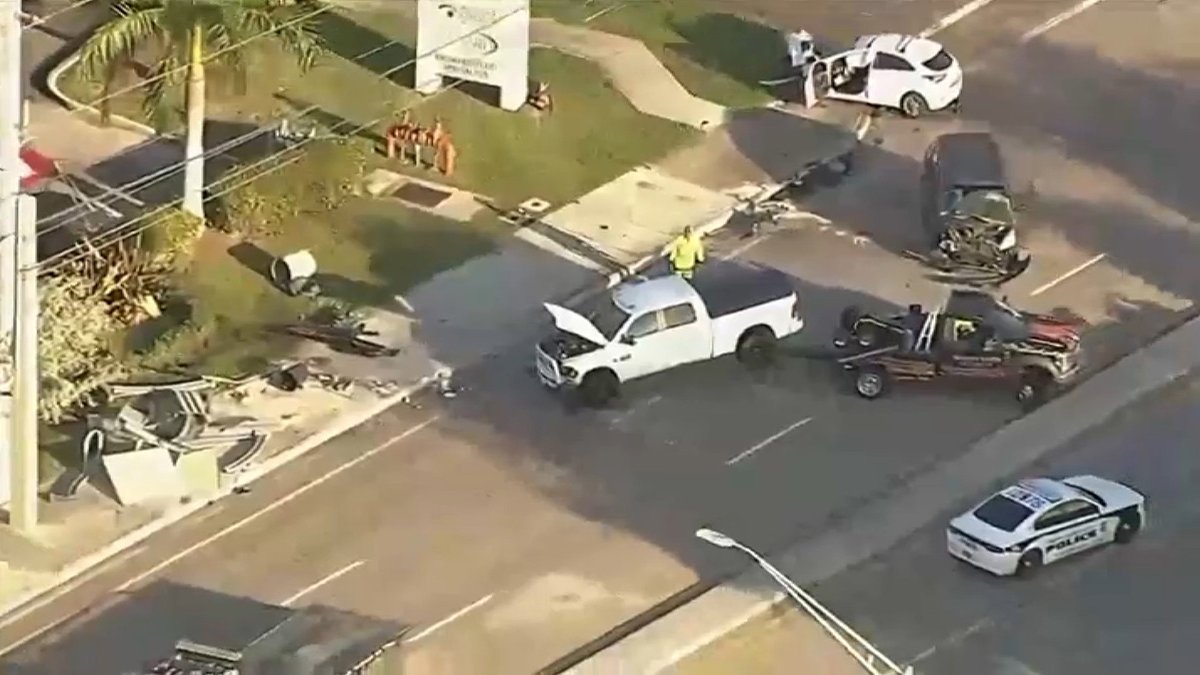
After a serious accident in Fort Lauderdale, medical treatment often begins with emergency care and initial examinations. However, many injuries cannot be fully diagnosed through physical observation alone. In these situations, doctors rely on diagnostic imaging to identify internal injuries and determine the appropriate course of treatment.
In personal injury cases, diagnostic imaging also plays a crucial role in documenting the extent of injuries and supporting claims for compensation. Medical images such as X-rays, MRIs, and CT scans can provide objective evidence showing how an accident physically affected the body.
Understanding the role of diagnostic imaging in Fort Lauderdale injury cases can help accident victims recognize why these tests are often essential in both medical treatment and legal claims.
What Is Diagnostic Imaging?
Diagnostic imaging refers to medical technology used to create images of the inside of the body. These images allow doctors to identify injuries that cannot be seen externally.
After a car accident or other traumatic event, diagnostic imaging can help detect:
- Broken bones
- Herniated discs
- Internal bleeding
- Soft tissue injuries
- Joint damage
- Brain injuries
By revealing the physical impact of an accident, these images often become important evidence in personal injury cases.
Common Types of Diagnostic Imaging After Accidents
Several types of imaging are commonly used after accidents in Fort Lauderdale and throughout Broward County.
X-Rays
X-rays are often the first imaging test used after an accident. They help doctors detect fractures, dislocations, and structural bone injuries.
X-rays are frequently used to examine:
- Arms and wrists
- Legs and ankles
- Ribs
- Shoulders
- Spinal alignment
Because they are quick and widely available, X-rays are typically performed in emergency rooms following a collision.
CT Scans
CT scans, also known as computed tomography scans, provide more detailed images than standard X-rays. They create cross-sectional images that help doctors evaluate complex injuries.
CT scans are often used to detect:
- Internal bleeding
- Organ damage
- Skull fractures
- Severe spinal injuries
These scans are particularly important in high-impact crashes where internal trauma may not be immediately obvious.
MRI Scans
Magnetic Resonance Imaging (MRI) is often used to evaluate soft tissue injuries. MRIs provide highly detailed images of muscles, ligaments, nerves, and spinal discs.
Common conditions diagnosed through MRIs include:
- Herniated or bulging discs
- Ligament tears
- Joint damage
- Nerve compression
- Soft tissue injuries
Rear-end collisions—common on Fort Lauderdale roads such as I-95, Broward Boulevard, and Sunrise Boulevard—often cause neck and back injuries that require MRI evaluation.
Ultrasound Imaging
In some cases, doctors may use ultrasound technology to examine internal organs or soft tissues.
Ultrasounds can help detect fluid buildup, internal bleeding, or muscle injuries following trauma.
Why Diagnostic Imaging Matters in Injury Claims
In personal injury cases, proving the existence and severity of injuries is essential. Diagnostic imaging provides objective medical evidence that helps support an injury claim.
These images may demonstrate:
- The precise location of an injury
- The severity of the damage
- Whether surgery may be necessary
- The likelihood of long-term complications
Because imaging results come directly from medical professionals, they often carry significant weight in settlement negotiations and court proceedings.
Linking the Injury to the Accident
Another important role of diagnostic imaging is establishing causation—the connection between the accident and the injury.
When imaging is performed soon after the crash, it helps show that the injury occurred during the incident rather than from a previous condition.
Doctors often review imaging results along with the patient’s medical history to determine whether the injury is consistent with the type of accident that occurred.
For example:
- Herniated discs may be consistent with a sudden rear-end impact.
- Fractures may reflect high-speed collisions.
- Brain injuries may correspond with head trauma during the crash.
This connection is essential when pursuing compensation.
Florida’s No-Fault Insurance System
After most car accidents in Fort Lauderdale, injury claims initially fall under Florida’s no-fault insurance system.
Under the Florida Motor Vehicle No-Fault Law, drivers must carry Personal Injury Protection (PIP) insurance.
PIP benefits generally cover:
- 80% of medical expenses
- 60% of lost wages
- Up to $10,000 in benefits
Florida law also requires accident victims to seek medical treatment within 14 days of the accident in order to qualify for PIP benefits.
Diagnostic imaging often becomes part of this early medical evaluation process.
When injuries meet the threshold outlined in Florida Statutes §627.737, victims may pursue additional compensation beyond PIP coverage.
Imaging evidence frequently plays a role in demonstrating the seriousness of these injuries.
How Insurance Companies Review Imaging Results
Insurance companies typically review diagnostic imaging when evaluating injury claims.
Adjusters may analyze:
- Radiology reports
- Physician interpretations
- Imaging dates
- Pre-existing medical records
In some cases, insurers may request independent medical examinations or additional imaging studies.
Because imaging results often reveal objective physical injuries, they can make it more difficult for insurers to dispute claims.
However, insurance companies may still attempt to argue that the injury existed before the accident.
Comparative Negligence and Injury Claims
Florida follows a comparative negligence system under Florida Statutes §768.81.
Under this system, more than one party may share responsibility for an accident.
If a victim is partially responsible for the crash, compensation may be reduced based on their percentage of fault.
Insurance companies sometimes attempt to use comparative negligence arguments to minimize payouts, even when imaging clearly shows injury.
Mistakes to Avoid After an Accident
Certain actions can weaken the value of an injury claim involving diagnostic imaging.
Common mistakes include:
Delaying medical treatment
Waiting too long to seek care may allow insurers to argue that the injury was unrelated to the accident.
Ignoring recommended imaging tests
Declining diagnostic tests may leave injuries undocumented.
Stopping treatment prematurely
Incomplete medical records may weaken a claim.
Accepting a quick settlement
Settling before doctors fully evaluate imaging results may undervalue the case.
Following medical advice and documenting injuries early can strengthen a claim.
Why Legal Guidance Matters
Personal injury cases often rely on detailed medical evidence, including diagnostic imaging.
A Fort Lauderdale personal injury attorney can help by:
- Reviewing imaging reports with medical professionals
- Consulting with radiology experts
- Gathering complete medical records
- Demonstrating how injuries affect daily life and work
- Negotiating with insurance companies
- Filing a lawsuit if necessary
Legal professionals understand how imaging evidence can help establish liability and the value of an injury claim.
Most Fort Lauderdale personal injury lawyers handle cases on a contingency fee basis, meaning clients pay no upfront legal fees and attorneys are only paid if compensation is recovered.
Protecting Your Injury Claim After a Fort Lauderdale Accident
Diagnostic imaging is often one of the most important tools doctors use to identify and treat injuries after an accident. In personal injury claims, these medical images can provide clear evidence of the physical damage caused by a crash.
By documenting injuries early and accurately, imaging tests help ensure that accident victims receive proper medical care and fair compensation for their losses.
If you were injured in a Fort Lauderdale accident and required diagnostic imaging, speaking with a knowledgeable personal injury attorney can help ensure that these medical records are properly evaluated as part of your claim.
Most Fort Lauderdale personal injury law firms offer free consultations and no upfront legal fees, allowing you to explore your legal options while focusing on recovery.