
Fort Lauderdale Crashes: Using 911 Calls as Evidence
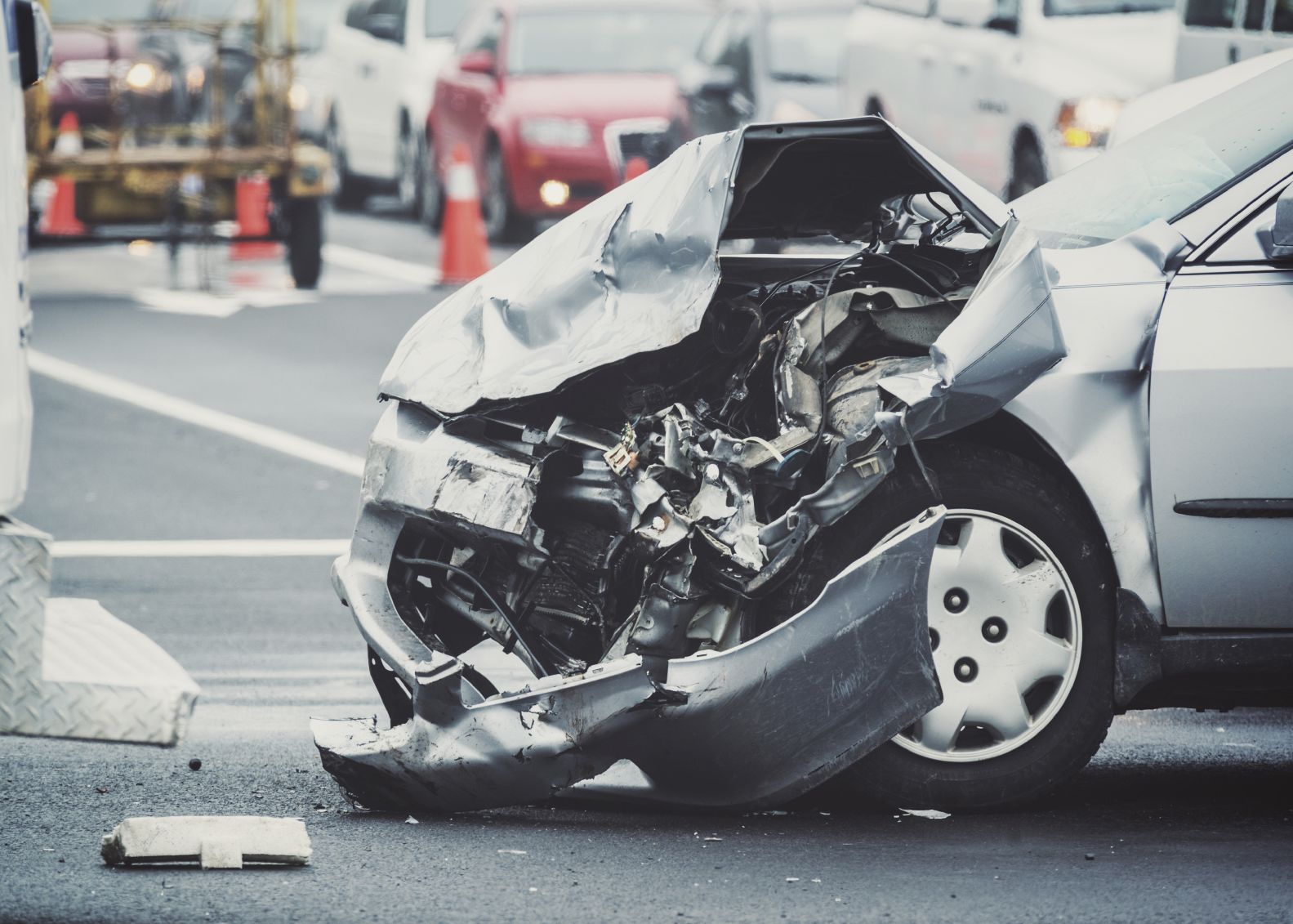
When a serious car accident occurs in Fort Lauderdale, one of the first actions many people take is dialing 911. Emergency calls help dispatch police officers, firefighters, and medical responders to the scene. While these calls are primarily made to request help, they can also become important pieces of evidence in personal injury cases.
In many situations, 911 recordings provide real-time descriptions of what happened during or immediately after a crash. These calls can capture statements from drivers, passengers, or witnesses before anyone has time to alter their version of events.
Understanding how 911 calls are used as evidence in Fort Lauderdale crash cases can help accident victims see how investigators and attorneys reconstruct what happened and establish liability.
What Information 911 Calls Typically Capture
911 calls are usually recorded by emergency dispatch systems. The recording often includes the caller’s initial report of the accident and the dispatcher’s questions.
These recordings may capture important details such as:
- The location of the crash
- The number of vehicles involved
- Whether injuries are reported
- Descriptions of the drivers or vehicles
- Statements about how the accident occurred
- Observations about dangerous driving behavior
Because these calls are made immediately after the incident, they often contain unfiltered and spontaneous descriptions of the crash.
In some cases, the caller may even describe events that occurred moments before the accident.
Why 911 Calls Can Be Powerful Evidence
One reason 911 recordings are valuable in personal injury claims is that they often occur before anyone has time to prepare a statement or coordinate a story.
This can make the information particularly useful when accident accounts conflict.
For example, a 911 caller may report:
- That a driver ran a red light
- That a vehicle was speeding
- That a driver appeared intoxicated
- That a driver was using a phone before the crash
These statements can support other evidence gathered during an accident investigation.
Courts sometimes consider 911 calls credible because they are made during emergencies when individuals are reacting in real time.
Who Can Make a 911 Call After an Accident
Several different people may call 911 following a crash in Fort Lauderdale.
These callers might include:
- One of the drivers involved in the accident
- A passenger in a vehicle
- A nearby witness
- A pedestrian
- An employee at a nearby business
Each caller may provide a slightly different perspective on what happened.
When multiple callers describe similar events, their statements can help reinforce the accuracy of the information reported.
How Attorneys Obtain 911 Call Recordings
911 recordings are generally considered public records, but they are not always immediately accessible.
In many personal injury cases, attorneys obtain these recordings through official requests made to local agencies.
In Fort Lauderdale and Broward County, these requests may involve:
- Public records requests submitted to law enforcement agencies
- Requests to local emergency dispatch centers
- Evidence requests during litigation
Once obtained, the recordings may be reviewed alongside other evidence such as police reports and witness statements.
How 911 Calls Help Establish Liability
911 recordings can provide clues about who caused the accident and how it occurred.
For example, a caller might report that:
- A driver ran through a red light at an intersection
- A vehicle was weaving between lanes
- A driver failed to yield while turning
- A driver was speeding down a roadway
These statements may support claims of negligence.
In some cases, the person responsible for the accident may even make statements during the call that suggest responsibility.
While these statements alone may not determine liability, they can support other evidence in the case.
Florida’s No-Fault Insurance System
Most car accident claims in Fort Lauderdale begin under Florida’s no-fault insurance system.
Under the Florida Motor Vehicle No-Fault Law, drivers must carry Personal Injury Protection (PIP) coverage.
PIP benefits generally cover:
- 80% of medical expenses
- 60% of lost wages
- Up to $10,000 in benefits
Florida law also requires accident victims to seek medical treatment within 14 days in order to qualify for these benefits.
Even if fault is disputed, injured individuals can typically receive PIP benefits through their own insurance policy.
When Fault Becomes Important
Fault becomes particularly important when injuries exceed the limits of PIP coverage.
Under Florida Statutes §627.737, accident victims may pursue compensation from the at-fault driver when injuries involve:
- Permanent injury
- Significant loss of bodily function
- Permanent scarring or disfigurement
In these cases, evidence such as 911 recordings may help demonstrate how the accident occurred.
Comparative Negligence in Florida
Florida follows a comparative negligence system under Florida Statutes §768.81.
Under this system, multiple parties can share responsibility for an accident.
If an injured person is partially responsible, their compensation may be reduced based on their percentage of fault.
Insurance companies sometimes review 911 calls to determine whether any statements suggest shared responsibility.
Limitations of 911 Call Evidence
While 911 recordings can be helpful, they are only one piece of the larger investigation.
911 calls may not always provide a complete picture because:
- The caller may not have seen the entire accident
- The caller may be reporting secondhand information
- The caller may be emotionally distressed
Because of these factors, investigators typically combine 911 recordings with other forms of evidence.
Mistakes to Avoid After a Fort Lauderdale Crash
Accident victims can help protect their claims by taking certain steps after a crash.
Common mistakes to avoid include:
Failing to call 911
Reporting the accident creates an official record.
Not documenting the accident scene
Photos and videos can provide valuable evidence.
Admitting fault at the scene
Statements made during stressful moments may later be used against you.
Delaying medical treatment
Medical records help link injuries directly to the accident.
Taking careful steps immediately after a crash can help preserve evidence that may later support a claim.
Why Legal Representation Matters
Evidence such as 911 calls is only one part of a larger investigation.
A Fort Lauderdale personal injury attorney can help by:
- Obtaining 911 recordings and dispatch records
- Gathering police reports and witness statements
- Securing surveillance footage from nearby businesses
- Consulting accident reconstruction experts
- Negotiating with insurance companies
- Filing lawsuits when necessary
Legal professionals understand how to combine multiple forms of evidence to build a strong injury claim.
Most Fort Lauderdale personal injury attorneys work on a contingency fee basis, meaning clients pay no upfront legal fees and attorneys are only paid if compensation is recovered.
Protecting Your Rights After a Fort Lauderdale Crash
911 calls often capture the first moments after an accident and may contain valuable information about how the crash occurred. These recordings can help investigators and attorneys understand the sequence of events and identify potential negligence.
If you were injured in a Fort Lauderdale accident, evidence such as 911 calls, police reports, and witness statements may play an important role in your case.
Speaking with a knowledgeable Fort Lauderdale personal injury attorney can help ensure that all available evidence is properly obtained and used to support your claim. Most law firms offer free consultations and no upfront fees, allowing accident victims to explore their legal options while focusing on recovery.