
Fort Lauderdale Apartment Injury Claims: Landlord Responsibilities
Apartment communities across Fort Lauderdale and Broward County house thousands of residents, from long-term tenants to seasonal visitors. With large residential complexes located throughout neighborhoods such as downtown Fort Lauderdale, Victoria Park, Plantation, Davie, Coral Springs, and Pompano Beach, landlords have a legal responsibility to maintain safe living environments for their tenants and visitors.
Unfortunately, injuries in apartment complexes occur more often than many people realize. Dangerous staircases, poorly lit parking lots, broken walkways, and inadequate security can all lead to serious accidents. When landlords fail to maintain safe conditions, injured tenants and guests may have the right to pursue compensation through a premises liability claim.
Understanding landlord responsibilities under Florida law can help injured victims determine whether negligence played a role in their accident.
Why Apartment Injuries Occur in Fort Lauderdale
Apartment complexes are high-traffic residential environments where many people share common spaces. Hallways, staircases, parking areas, pools, and sidewalks are used daily by tenants, visitors, delivery drivers, and maintenance workers.
In busy residential communities across Broward County, hazards can develop when property owners fail to properly maintain these shared areas.
Common factors contributing to apartment injuries include:
-
Deferred maintenance
-
Poor lighting
-
Damaged walkways or stairs
-
Inadequate security measures
-
Unsafe pool areas
-
Neglected repairs
These issues can lead to accidents that result in serious injuries.
The Legal Duty Landlords Owe to Tenants
Under Florida law, landlords must maintain reasonably safe conditions within apartment complexes. This duty applies especially to common areas, which are spaces shared by tenants and visitors.
Common areas typically include:
-
Hallways
-
Staircases
-
Parking lots
-
Walkways and sidewalks
-
Elevators
-
Swimming pools
-
Laundry rooms
-
Lobbies
Landlords must inspect and maintain these areas regularly to ensure they are safe.
If a landlord fails to repair dangerous conditions or ignores known hazards, they may be held liable for injuries that occur.
Florida Statutes Governing Landlord Responsibilities
Florida law outlines landlord obligations in Florida Statute 83.51, which requires landlords to comply with applicable building, housing, and health codes.
Landlords must also maintain structural components of the property, including:
-
Roofs
-
Floors
-
Stairs
-
Windows
-
Plumbing
-
Electrical systems
The statute can be reviewed through the Florida Legislature website:
https://www.leg.state.fl.us/statutes/
When landlords fail to meet these legal obligations, injured tenants may have grounds for a personal injury claim.
Common Causes of Apartment Complex Injuries
Several types of hazards frequently lead to injuries in apartment communities.
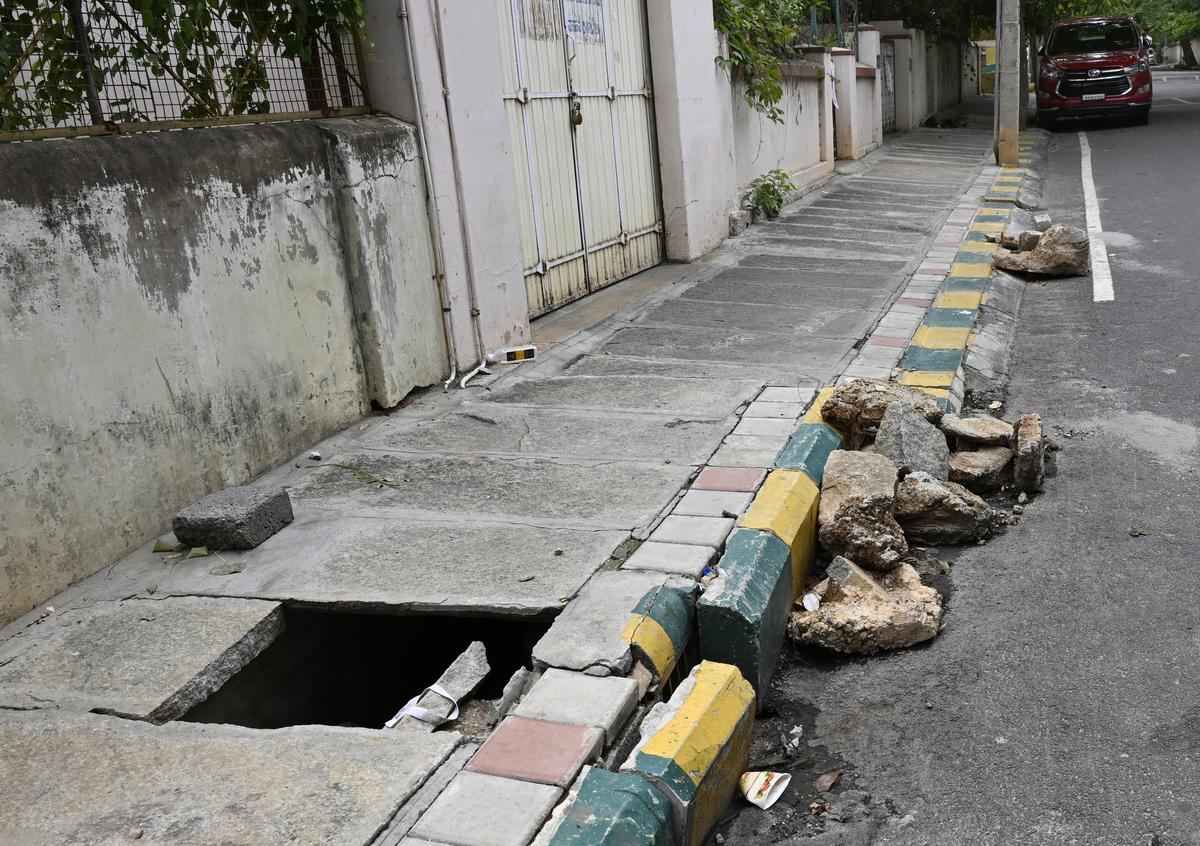
Broken or Uneven Walkways
Cracked sidewalks or uneven pavement can create tripping hazards for residents and visitors.
If property owners fail to repair these hazards after becoming aware of them, they may be responsible for resulting injuries.
Unsafe Staircases
Staircases must be properly maintained and equipped with secure handrails.
Common stairway hazards include:
-
Broken steps
-
Loose railings
-
Poor lighting
-
Slippery surfaces
Falls on apartment staircases can cause serious injuries.
Poor Lighting
Inadequate lighting in hallways, stairwells, and parking lots can increase the risk of accidents and criminal activity.
Poor visibility may cause residents to trip over hazards or become victims of assaults or robberies.
Negligent Security
Apartment complexes must take reasonable steps to protect residents from foreseeable criminal activity.
Negligent security claims may involve:
-
Broken gates or locks
-
Lack of surveillance cameras
-
Insufficient security patrols
-
Poor lighting in parking areas
If previous criminal incidents occurred on the property, landlords may be required to increase security measures.
Swimming Pool Hazards
Many Fort Lauderdale apartment complexes include swimming pools or recreational areas.
Unsafe conditions may include:
-
Slippery pool decks
-
Lack of fencing
-
Broken pool gates
-
Poor supervision
Pool accidents can lead to serious injuries or drowning incidents.
Elevator Malfunctions
Large apartment buildings often rely on elevators to transport residents between floors.
Elevator malfunctions can lead to injuries if maintenance is neglected.
Injuries Commonly Seen in Apartment Accidents
Apartment complex accidents can cause serious injuries, particularly when falls or assaults occur.
Common injuries include:
-
Traumatic brain injuries
-
Broken bones
-
Spinal cord injuries
-
Neck and back injuries
-
Severe bruising or soft tissue injuries
-
Psychological trauma after violent incidents
Hospitals and medical facilities throughout Broward County—including locations in Fort Lauderdale, Sunrise, Plantation, and Coral Springs—regularly treat victims injured in apartment accidents.
Recovery may require extensive medical care and rehabilitation.
Negligent Security and Criminal Activity
In some apartment injury cases, the issue involves criminal activity rather than unsafe property conditions.
Landlords may be liable if they fail to provide reasonable security measures to prevent foreseeable crimes.
Examples of negligent security include:
-
Broken access gates
-
Unlocked entry doors
-
Lack of surveillance cameras
-
Inadequate lighting
-
Failure to address prior criminal incidents
Courts often examine whether previous crimes occurred on or near the property when determining whether additional security measures were required.
Proving Negligence in Apartment Injury Claims
To recover compensation, injured victims must prove that the landlord’s negligence caused their injury.
This typically requires showing that:
-
The landlord owed a duty to maintain safe conditions.
-
The landlord failed to fulfill that duty.
-
The unsafe condition caused the injury.
-
The victim suffered damages as a result.
Evidence plays a critical role in proving these elements.
Evidence Used in Apartment Injury Cases
Important evidence may include:
-
Photographs of hazardous conditions
-
Maintenance records
-
Incident reports
-
Witness statements
-
Surveillance footage
-
Property inspection records
Maintenance logs may reveal whether the landlord was aware of the hazard before the accident occurred.
Security camera footage may also provide important evidence.
Florida’s Comparative Negligence Rule
Florida follows a comparative negligence system, meaning multiple parties may share responsibility for an accident.
For example, landlords may argue that the injured person:
-
Ignored warning signs
-
Was distracted while walking
-
Entered restricted areas
If the injured person shares some responsibility, compensation may be reduced based on their percentage of fault.
Insurance companies often rely on these arguments to minimize payouts.
Steps to Take After an Apartment Injury
If you are injured in an apartment complex in Fort Lauderdale, taking the right steps can help protect your legal rights.
Important actions include:
-
Seek medical attention immediately
-
Report the incident to the property manager or landlord
-
Take photographs of the hazardous condition
-
Collect witness contact information
-
Request a copy of any incident report
-
Avoid discussing fault with insurance companies
-
Contact a personal injury lawyer
These steps can help preserve evidence needed to support your claim.
Compensation Available in Apartment Injury Claims
Victims injured due to landlord negligence may be entitled to compensation for several types of damages.
These may include:
-
Medical expenses
-
Hospital treatment and surgery
-
Physical therapy and rehabilitation
-
Lost wages
-
Reduced earning capacity
-
Pain and suffering
-
Emotional distress
Severe injuries may require compensation for long-term care and medical support.
Each claim depends on the specific circumstances of the accident.
Why Insurance Companies Often Fight Apartment Injury Claims
Property owners and their insurance companies frequently dispute premises liability claims.
Common defenses include:
-
Claiming the landlord was unaware of the hazard
-
Arguing the victim caused the accident
-
Disputing the severity of injuries
-
Offering quick but low settlement offers
Without strong evidence, injured victims may struggle to prove negligence.
How a Fort Lauderdale Personal Injury Lawyer Can Help
Apartment injury cases often require detailed investigation and legal expertise.
A Fort Lauderdale personal injury lawyer can assist by:
-
Investigating the accident scene
-
Reviewing maintenance and inspection records
-
Obtaining surveillance footage
-
Interviewing witnesses
-
Negotiating with insurance companies
-
Calculating the full value of damages
-
Filing lawsuits when necessary
Legal representation can significantly improve the chances of recovering fair compensation.
Protecting Your Rights After an Apartment Injury in Fort Lauderdale
Apartment landlords have a legal responsibility to maintain safe living conditions for their tenants and visitors.
When landlords fail to repair hazards, provide adequate security, or properly maintain common areas, serious injuries can occur.
Understanding landlord responsibilities under Florida law can help victims determine whether negligence played a role in their accident.
Speak With a Fort Lauderdale Personal Injury Lawyer Today
If you or a loved one has been injured in an apartment complex in Fort Lauderdale or anywhere in Broward County, you may have the right to pursue compensation for your injuries and financial losses.
An experienced personal injury lawyer can review your case, investigate the property conditions, and help you navigate the legal process.
Most personal injury law firms offer free consultations and operate on a contingency fee basis, meaning you pay no upfront fees.
If you have questions about a Fort Lauderdale apartment injury claim, legal help is available 24/7 to help you move forward with confidence.