
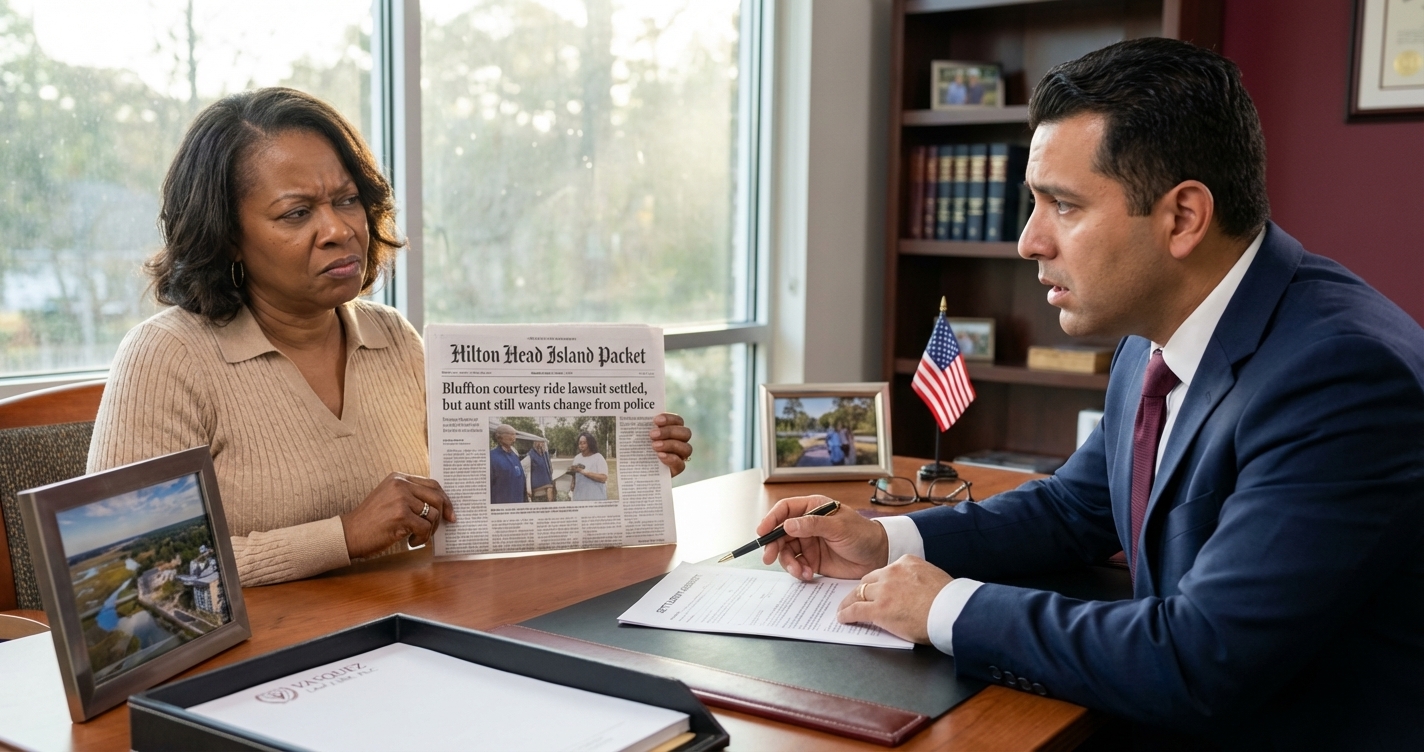
Florida Injury Settlements: The Role of Negotiation
When an accident occurs in Florida, victims are often faced with a complex process that extends beyond medical treatment and recovery. From Hollywood to Fort Lauderdale, Sunrise to Coral Springs, navigating the personal injury claims process requires understanding not only the law but also the critical role of negotiation in settlement agreements.
Most personal injury cases in Florida are resolved through settlements rather than trial. Negotiation is the key mechanism by which insurance companies and legal representatives determine compensation for medical bills, lost wages, pain and suffering, and other damages. Understanding how negotiations work, what factors influence settlement amounts, and how to protect your rights is essential for maximizing recovery.
The Purpose of Settlements in Florida Injury Cases
A settlement is a legally binding agreement between the injured party and the at-fault party (or their insurance company) to resolve a claim without going to trial. Settlements serve several purposes:
- Provide faster resolution compared to a court case
- Reduce legal costs and expenses associated with litigation
- Allow victims to regain financial stability sooner
- Minimize the stress of trial preparation and courtroom proceedings
Insurance companies prefer settlements because they avoid the unpredictability of a jury trial, while victims benefit from timely compensation for economic and non-economic losses.
How Negotiation Works in Florida Injury Claims
Negotiation is a multi-step process that often begins shortly after the accident. Key steps include:
1. Investigation and Evidence Gathering
Before negotiations can begin, a thorough investigation is conducted. This includes:
- Collecting police reports and accident documentation
- Gathering photographs and video evidence
- Securing witness statements
- Compiling medical records and bills
- Documenting lost wages and other financial damages
Insurance companies will carefully review this evidence to assess liability and the potential payout.
2. Calculating Damages
Negotiation depends heavily on understanding the total value of the claim. Damages are usually categorized as:
Economic damages:
- Medical expenses
- Rehabilitation and therapy costs
- Lost wages and future earning capacity
- Property damage
Non-economic damages:
- Pain and suffering
- Emotional distress
- Loss of enjoyment of life
- Permanent impairment or disfigurement
Accurate documentation of these damages helps establish a strong starting point for negotiation.
3. Initial Settlement Demand
The negotiation process often begins with a settlement demand letter from the victim’s attorney. This letter:
- Summarizes the accident and liability
- Details medical treatment and economic losses
- Explains non-economic damages and the impact on the victim’s life
- Requests a specific compensation amount
The settlement demand sets the stage for discussion and provides a benchmark for negotiations.
4. Insurance Adjuster Response
Insurance companies typically respond with a counteroffer. Adjusters evaluate the evidence and may:
- Accept the demand
- Offer a lower amount based on perceived weaknesses in the claim
- Request additional documentation
- Challenge liability or damages
The initial counteroffer is often the starting point for back-and-forth negotiation.
5. Negotiation and Compromise
Negotiation involves multiple exchanges of offers and counteroffers. Attorneys play a crucial role in:
- Advocating for fair compensation
- Explaining the strengths of the claim to the insurer
- Countering insurance company tactics that undervalue the claim
- Ensuring that any settlement adequately covers both current and future losses
The goal is to reach a mutually agreeable amount that reflects the full impact of the accident.
6. Settlement Agreement
Once parties agree on a compensation amount, a written settlement agreement is drafted. This document:
- Confirms the agreed-upon amount
- Releases the at-fault party from further liability
- Outlines payment procedures and deadlines
- Often includes confidentiality clauses
It is important to review the agreement carefully with an attorney before signing to ensure that it fully protects the victim’s rights.
Factors That Influence Settlement Negotiations
Several factors can impact the outcome of a settlement:
Strength of Evidence
Clear evidence of liability, including police reports, medical records, and witness statements, strengthens the claim. Weak or missing evidence can result in lower offers.
Severity of Injuries
The extent of physical injuries, ongoing medical treatment, and potential permanent disability influence non-economic damages and overall settlement value.
Comparative Negligence
Florida’s comparative negligence law can reduce compensation if the victim is partially at fault. Attorneys use evidence to minimize perceived victim responsibility.
Insurance Policy Limits
Settlement amounts may be constrained by the at-fault party’s insurance coverage. If damages exceed policy limits, additional parties or coverage may need to be considered.
Timing and Urgency
Some victims may need immediate funds for medical treatment or living expenses, which can influence their willingness to accept an offer. Attorneys help balance urgency with ensuring fair compensation.
Legal Representation
Victims represented by experienced Fort Lauderdale personal injury lawyers are often able to negotiate higher settlements because attorneys:
- Understand legal standards and valuation
- Present compelling arguments to insurers
- Avoid common mistakes that reduce claim value
Common Insurance Tactics During Negotiation
Insurance companies may employ strategies to minimize payouts, including:
- Offering low initial settlements quickly
- Requesting recorded statements to dispute injuries
- Questioning the necessity of medical treatment
- Arguing that pre-existing conditions caused the injury
Legal representation is crucial in countering these tactics and ensuring victims receive full compensation.
When Negotiations Fail: Litigation as a Last Resort
If negotiations do not yield a fair settlement, victims may proceed to trial. Litigation allows:
- Presentation of all evidence before a judge or jury
- Expert testimony on injuries and damages
- A formal determination of liability and compensation
While trial involves more time and expense, it can result in higher compensation when settlements undervalue a claim.
Protecting Your Interests During Negotiation
To protect your rights during negotiation, victims should:
- Keep detailed records of all medical treatment and expenses
- Document lost wages and financial impact
- Avoid discussing the case directly with insurance adjusters without legal counsel
- Seek advice from a personal injury attorney experienced in Florida law
Attorneys ensure that the negotiation process reflects the full impact of the injury and helps victims avoid unfair settlements.
Timing Considerations
Florida law imposes deadlines for filing injury claims. Most personal injury lawsuits must be filed within two years of the accident under Florida Statute §95.11. Prompt negotiation preserves options and allows victims to gather evidence while the accident details are fresh.
Conclusion: The Importance of Skilled Negotiation
Negotiation is a vital component of Florida injury settlements. It allows victims to resolve claims efficiently, avoid unnecessary litigation, and secure compensation for economic and non-economic damages. The process requires a combination of evidence, legal strategy, and professional advocacy.
Victims who understand the role of negotiation are better positioned to protect their rights, maximize recovery, and move forward with their lives after an accident.