
Florida Injury Law: Key Evidence Victims Should Know
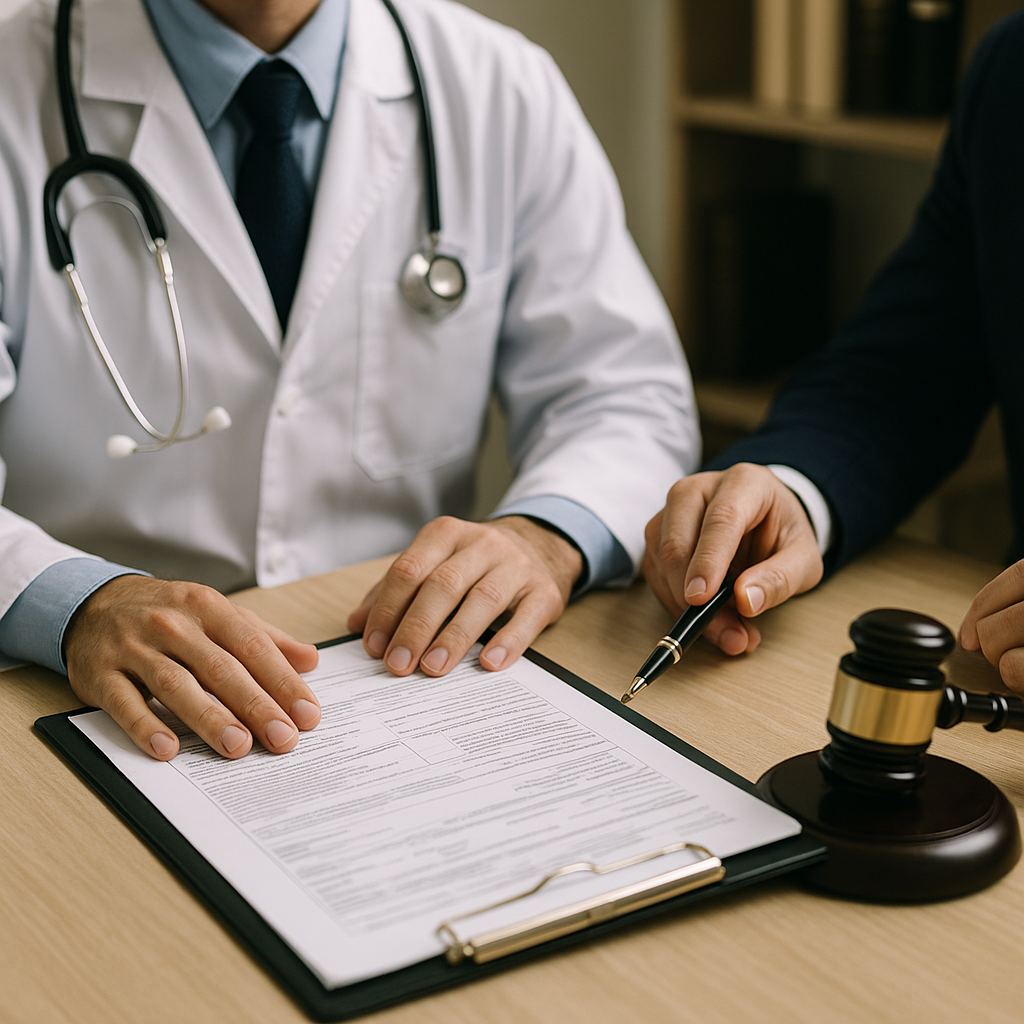
For accident victims in Fort Lauderdale, Broward County, and throughout South Florida, understanding the key types of evidence in personal injury cases is essential. Whether your injury stems from a motor vehicle accident, slip and fall, workplace incident, or pedestrian collision, the evidence you gather and preserve often determines the outcome of your claim.
Insurance companies, defense attorneys, and courts closely analyze evidence to assess liability, causation, and damages. Accident victims who fail to collect and protect evidence risk reduced settlements or denied claims. Knowledge of what evidence matters, how it is used, and how to preserve it is critical to protecting your rights under Florida law.
The Importance of Evidence in Florida Personal Injury Cases
Evidence forms the foundation of any personal injury claim. It is used to:
- Establish Liability – Demonstrating who caused the accident and whether negligence occurred.
- Prove Causation – Linking the accident directly to the injuries sustained.
- Quantify Damages – Documenting medical expenses, lost income, property damage, and other financial impacts.
- Support Non-Economic Damages – Demonstrating pain, suffering, and emotional distress.
- Strengthen Settlement Negotiations and Litigation – Comprehensive evidence enhances credibility with insurers and courts.
Without proper evidence, even a legitimate injury claim may be undervalued or rejected entirely.
Types of Key Evidence in Florida Injury Claims
1. Medical Records
Medical documentation is often the most critical evidence in a personal injury case:
- Emergency room and hospital reports
- Physician notes and specialist evaluations
- Diagnostic imaging such as X-rays, MRIs, and CT scans
- Physical therapy and rehabilitation records
- Prescription and medication history
These records demonstrate the extent, cause, and treatment of injuries, making them essential for both settlement and litigation.
2. Accident Reports
Official accident reports provide important documentation:
- Law enforcement or workplace incident reports
- Date, time, and location of the accident
- Statements from involved parties
- Initial determination of fault or contributing factors
While not conclusive, accident reports lend credibility to your account and are often referenced in negotiations with insurance companies.
3. Witness Statements
Eyewitness accounts are a valuable form of evidence:
- Bystanders or co-workers who observed the incident
- Employees or residents in slip and fall cases
- Passersby in pedestrian or bicycle accidents
Witness testimony helps corroborate the victim’s version of events and can be crucial when liability is disputed.
4. Photographs and Videos
Visual documentation is extremely persuasive in personal injury claims:
- Photos of the accident scene, road conditions, or hazards
- Images of vehicle or property damage
- Photographs of injuries immediately after the accident
- Security or traffic camera footage
Photos and videos provide objective proof that supports both liability and damages.
5. Expert Analysis
Expert testimony may be necessary to explain complex aspects of a case:
- Accident reconstruction specialists determine how collisions occurred
- Medical experts link injuries to the accident and assess long-term impacts
- Vocational experts evaluate lost earning potential
- Economic experts calculate future financial losses
Expert opinions provide objective, professional validation of the facts, which can significantly strengthen your claim.
6. Digital Evidence
In today’s digital age, electronic evidence can be decisive:
- GPS data from vehicles or smartphones
- Text messages or emails showing negligence
- Social media posts that may confirm or contradict claims
- Security camera or dashcam footage
Digital evidence must be preserved quickly, as it can be deleted or altered over time.
7. Property and Vehicle Inspections
Inspecting damaged property or vehicles can provide proof of:
- The severity of damage
- Mechanisms of the accident or defect
- Financial costs for repair or replacement
These inspections are crucial for quantifying economic damages and supporting claims in court or settlement discussions.
Preserving Evidence Effectively
Proper preservation of evidence ensures your claim remains strong:
- Document the scene immediately – Take photographs, videos, and detailed notes.
- Collect witness information – Names, phone numbers, and written statements.
- Retain medical records – Ensure all treatment, prescriptions, and bills are saved.
- Preserve damaged property – Do not discard items or repair vehicles until documented.
- Secure digital evidence – Save emails, texts, and video files promptly.
Failure to preserve evidence can weaken a claim and give insurers or defense attorneys an advantage.
Understanding How Evidence Influences Florida Claims
1. Establishing Liability
Evidence proves who is responsible for the accident. Strong documentation, witness accounts, and expert analysis can clarify fault, especially in cases involving comparative negligence under Florida Statute §768.81.
2. Demonstrating Causation
Medical records, expert testimony, and accident reconstruction evidence link the incident directly to your injuries, a requirement for recovering damages.
3. Quantifying Economic Damages
Bills, invoices, and repair estimates show tangible losses, while expert evaluations predict future costs such as ongoing medical care or reduced earning capacity.
4. Supporting Non-Economic Damages
Pain, suffering, emotional distress, and lifestyle impacts are substantiated through consistent medical documentation, therapy notes, and personal accounts.
5. Negotiation and Litigation Leverage
A well-documented claim strengthens your position in settlement negotiations and prepares a solid foundation for trial if needed. Insurers are more likely to offer fair compensation when claims are supported by clear evidence.
Common Mistakes Accident Victims Make
- Delaying Medical Treatment – Can undermine proof of injury.
- Failing to Document the Scene – Photos, videos, and notes may be lost.
- Ignoring Witnesses – Statements obtained late may be less credible.
- Admitting Fault Early – Casual statements may reduce your claim.
- Neglecting Future Damages – Long-term injuries and costs must be considered.
Avoiding these errors is essential to protect your rights and maximize compensation.
How Attorneys Help with Evidence
A Fort Lauderdale personal injury attorney plays a vital role in evidence management:
- Identifying critical evidence needed for your case
- Coordinating with medical providers, accident reconstructionists, and other experts
- Organizing documentation for negotiation or litigation
- Preserving witness statements and digital evidence
- Advising on communications with insurers to avoid compromising statements
Attorneys ensure that evidence is not only collected but strategically evaluated to strengthen your case.
Conclusion
In Florida injury law, evidence is the foundation of any successful claim. For victims in Fort Lauderdale, Hollywood, Plantation, Davie, Sunrise, Coral Springs, and throughout Broward County, understanding key evidence types—medical records, accident reports, witness statements, photographs, expert analysis, digital data, and property inspections—is essential.
Preserving and evaluating evidence protects your rights, establishes liability, proves causation, and supports both economic and non-economic damages. Working with a skilled personal injury attorney ensures that evidence is collected, assessed, and presented effectively, increasing the likelihood of fair compensation through negotiation or litigation.
Proactive evidence management empowers South Florida accident victims to secure the compensation they deserve while safeguarding their legal rights. Many law firms offer free consultations and operate on a contingency fee basis, making professional guidance accessible for those navigating the complex claims process.