
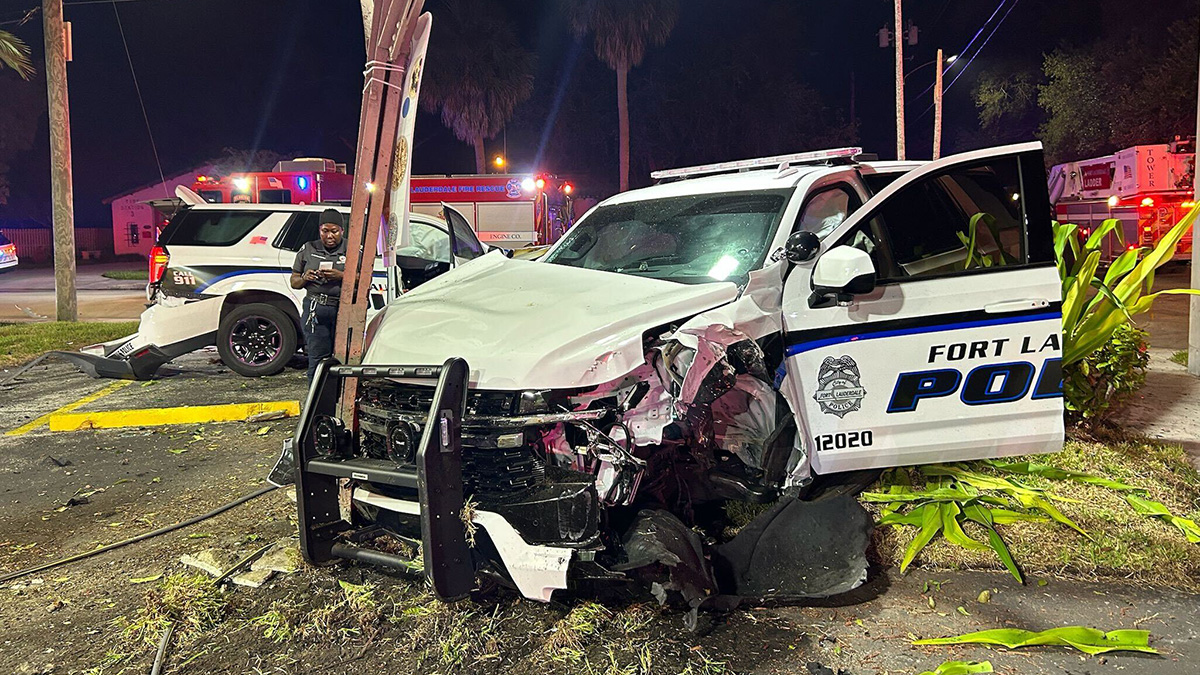
Florida Injury Claims: Proving Financial Losses
After an accident in Florida, the financial consequences can quickly become overwhelming. Medical bills, lost wages, rehabilitation expenses, and other unexpected costs often place significant pressure on injured individuals and their families. For accident victims in Fort Lauderdale, Wilton Manors, Hollywood, Plantation, and throughout Broward County, proving financial losses is a crucial step in pursuing fair compensation through a personal injury claim.
Insurance companies do not simply accept claimed losses without proof. Instead, they carefully review documentation to verify the financial impact of an accident. Understanding how to prove financial losses in Florida injury claims can help victims protect their rights and strengthen their cases.
Why Financial Losses Matter in Injury Claims
In Florida personal injury cases, compensation is designed to restore victims to the financial position they would have been in if the accident had not occurred.
These losses are typically categorized as economic damages, which represent measurable financial harm caused by the accident.
Economic damages may include:
- Medical expenses
- Lost income
- Future medical treatment
- Reduced earning capacity
- Property damage
Proving these damages requires clear documentation and reliable evidence.
Medical Expenses as Financial Evidence
Medical costs often form the largest portion of financial losses in injury claims.
Accident victims in Broward County and South Florida may incur a wide range of medical expenses, including:
- Emergency room treatment
- Hospital stays
- Diagnostic tests such as MRIs or CT scans
- Physician consultations
- Physical therapy or rehabilitation
- Prescription medications
Medical bills and treatment records help establish both the cost and necessity of care. These documents are essential when negotiating with insurance companies or presenting evidence in court.
Future Medical Costs
Some injuries require ongoing treatment long after the accident occurs.
For example, individuals with serious injuries may need:
- Additional surgeries
- Long-term physical therapy
- Pain management treatments
- Assistive medical devices
- In-home medical care
In these situations, medical experts may estimate the cost of future treatment. These projections can be included in a compensation claim.
Future medical expenses often play a significant role in determining the value of serious injury cases.
Proving Lost Wages
Many accident victims miss work while recovering from their injuries. Proving lost income requires documentation showing both the victim’s normal earnings and the time missed due to the injury.
Common evidence used to prove lost wages includes:
- Pay stubs
- Tax returns
- Employer statements verifying missed work
- Employment contracts
- Records of reduced work hours
For self-employed individuals, financial records such as business invoices or profit-and-loss statements may also be used.
These documents help demonstrate how the accident directly affected the victim’s ability to earn income.
Reduced Earning Capacity
Some injuries prevent victims from returning to the same job they held before the accident.
For example, a person who worked in construction may be unable to perform physically demanding labor after suffering a serious back injury.
In such cases, victims may pursue compensation for reduced earning capacity—the loss of future income potential caused by the injury.
Economic experts may analyze factors such as:
- The victim’s education and work history
- Age and expected career path
- Medical limitations caused by the injury
- Projected future earnings
This analysis helps estimate the long-term financial impact of the injury.
Property Damage Documentation
In accidents involving vehicles or personal property, victims may also seek compensation for repair or replacement costs.
Important documentation may include:
- Vehicle repair estimates
- Photographs of damage
- Insurance appraisals
- Receipts for replacement items
Property damage evidence helps establish the financial losses associated with the accident.
Florida’s Personal Injury Protection (PIP) Coverage
Florida operates under a no-fault insurance system for motor vehicle accidents. Drivers generally turn first to their own Personal Injury Protection (PIP) coverage for certain financial losses.
PIP coverage typically provides:
- Up to 80% of medical expenses
- Up to 60% of lost wages
However, benefits are usually limited to $10,000.
Florida law also requires accident victims to seek medical treatment within 14 days of the accident to qualify for PIP benefits.
These requirements are outlined under Florida Statute §627.736:
https://www.flsenate.gov/Laws/Statutes/627.736
When injuries exceed PIP limits, victims may pursue additional compensation through a personal injury claim.
Pain and Suffering vs. Financial Losses
While financial losses represent measurable economic damages, injury claims may also include non-economic damages, such as pain and suffering.
Although pain and suffering do not involve direct financial costs, economic damages often serve as a foundation for calculating these additional damages.
For example, severe injuries with significant medical expenses and long recovery periods may support larger pain and suffering claims.
The Importance of Keeping Detailed Records
Accident victims should keep detailed records of all expenses related to the injury.
Important documents may include:
- Medical bills and receipts
- Prescription costs
- Travel expenses for medical appointments
- Rehabilitation expenses
- Pay records showing missed work
Maintaining organized documentation can help ensure that no financial losses are overlooked during the claims process.
Florida’s Comparative Negligence Rule
Financial compensation may also be affected by Florida’s comparative negligence rule.
Under this system, compensation may be reduced if the injured person shares responsibility for the accident.
For example, if a victim is found 20 percent responsible, their compensation may be reduced by 20 percent.
This rule is outlined under Florida Statute §768.81:
https://www.flsenate.gov/Laws/Statutes/768.81
Insurance companies often attempt to assign partial blame in order to reduce the amount they must pay.
Why Legal Guidance Can Be Important
Proving financial losses in injury claims often requires gathering detailed documentation and presenting it clearly during negotiations with insurance companies.
An experienced Fort Lauderdale personal injury attorney can assist by:
- Calculating the full extent of financial damages
- Gathering medical and employment records
- Consulting with economic and medical experts
- Negotiating with insurance companies
- Preparing evidence for court if necessary
Legal guidance helps ensure that accident victims pursue compensation that reflects the full financial impact of their injuries.
Speak With a Fort Lauderdale Personal Injury Lawyer
If you were injured in an accident in Fort Lauderdale, Wilton Manors, Hollywood, Plantation, Sunrise, Coral Springs, or anywhere in Broward County, proving financial losses will play a major role in your injury claim.
A knowledgeable Fort Lauderdale personal injury lawyer can review your case, gather the necessary documentation, and help you pursue compensation for your medical bills, lost income, and other financial damages.
Most personal injury law firms offer free consultations and operate on a contingency fee basis, meaning there are no upfront legal costs.
If you have questions about proving financial losses after a South Florida accident, speaking with an experienced attorney can help you move forward with confidence.