
Florida Claims: Liability Factors Explained
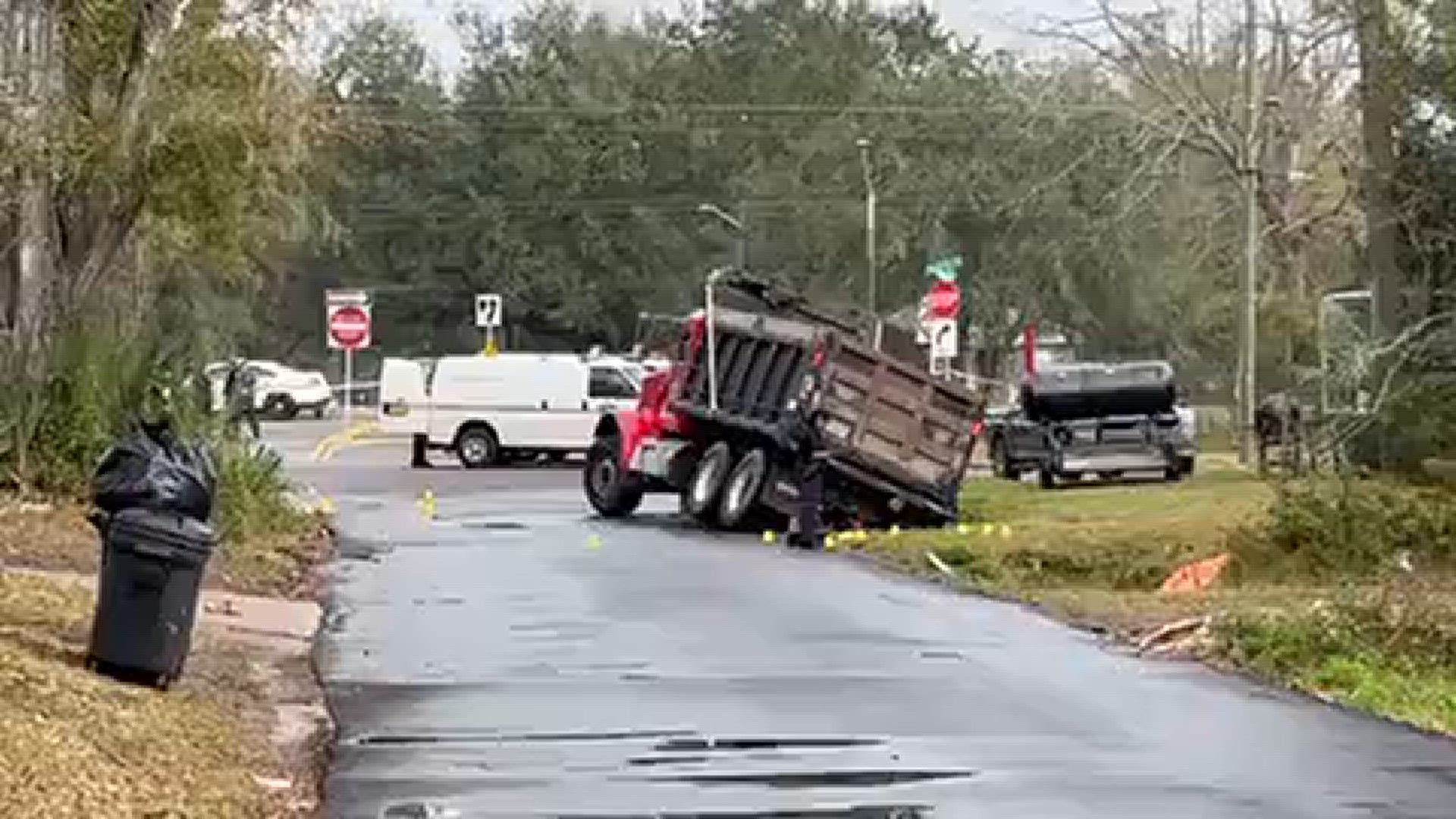
Understanding liability is central to personal injury claims in Florida. For accident victims in Fort Lauderdale, Broward County, and South Florida, knowing how liability is determined can significantly impact your ability to recover compensation for medical bills, lost wages, property damage, and pain and suffering. Liability determines who is legally responsible for your injuries, how insurance claims are handled, and how settlements or lawsuits proceed.
Whether your accident involves a car, truck, or motorcycle collision, slip and fall, workplace incident, or pedestrian accident, Florida law has specific standards and rules that guide liability determinations. This guide explains the critical liability factors, legal frameworks, and strategies for protecting your rights after an injury.
What Liability Means in Florida Personal Injury Claims
In Florida, liability refers to legal responsibility for causing injury or property damage. Establishing liability is essential because:
- It determines who must pay for damages.
- It influences settlement negotiations and insurance payouts.
- It forms the foundation for lawsuits and litigation if negotiations fail.
Florida is a comparative negligence state, meaning that multiple parties can share fault. Even if you bear some responsibility, you may still recover damages, though your award may be reduced proportionally.
Key Legal Principles Governing Liability in Florida
1. Negligence
Most personal injury claims in Florida are based on negligence, which requires showing:
- Duty of Care – The at-fault party had a legal obligation to act safely. For example, drivers must obey traffic laws, and property owners must maintain safe premises.
- Breach of Duty – The party failed to meet their duty, such as speeding, texting while driving, or leaving hazards on a walkway.
- Causation – The breach directly caused your injuries.
- Damages – You suffered measurable harm, including medical costs, lost wages, or pain and suffering.
Demonstrating all four elements is crucial for establishing liability and maximizing compensation.
2. Comparative Negligence
Under Florida Statute §768.81, liability can be shared:
- Your compensation is reduced by your percentage of fault
- Even if you are partially responsible, you may still recover damages
- For instance, if you are 20% at fault, your award is reduced by 20%
Understanding comparative negligence helps victims strategically manage evidence and statements to protect full recovery.
3. Premises Liability
Property owners can be liable for injuries caused by unsafe conditions:
- Slip and fall accidents due to wet floors, broken steps, or inadequate lighting
- Injuries caused by unsafe construction or maintenance practices
- Florida law requires owners to maintain reasonably safe conditions for visitors
Evidence documenting the hazard and owner knowledge is critical in these cases.
4. Strict Liability
Certain situations in Florida impose liability without proof of negligence:
- Product liability: Defective products that cause injury
- Dog bites: Owners can be liable for injuries caused by their dogs
- Certain hazardous activities or conditions
Strict liability cases focus on evidence of injury and causation rather than proving negligence.
Common Factors Affecting Liability
1. Actions of the At-Fault Party
- Reckless driving, speeding, or ignoring traffic signals
- Distracted behavior such as texting or phone use
- Failure to maintain property or equipment
- Violations of workplace safety rules
Evidence such as police reports, surveillance footage, or workplace inspections can demonstrate negligence.
2. Environmental and Road Conditions
In traffic accidents, Florida courts consider:
- Poor lighting or visibility
- Road hazards such as potholes or debris
- Weather conditions, including rain or fog
- Signage or traffic signal failures
These factors may influence liability, particularly in multi-party claims or government liability cases.
3. Witness Testimony
Eyewitness accounts provide valuable insight:
- Bystanders, passengers, or co-workers may verify events
- Consistent witness statements strengthen claims
- Contradictions or lack of witnesses can complicate liability determination
Collecting statements promptly is essential before memories fade or evidence is lost.
4. Expert Opinions
- Accident reconstruction specialists help determine the cause and sequence of events
- Medical experts link injuries to the incident
- Vocational or economic experts assess financial impact and future losses
Expert testimony often plays a pivotal role in disputed liability cases.
Evidence Critical to Establishing Liability
1. Accident Reports
- Police or workplace incident reports detail circumstances
- Initial observations, citations, or fault indicators are documented
- Provides official evidence for negotiations and litigation
2. Photographs and Videos
- Scene photos showing damage, skid marks, road conditions, or hazards
- Surveillance or dashcam footage capturing the accident
- Photos of injuries and property damage for objective evidence
3. Medical Records
- Emergency room and treatment records linking injuries to the accident
- Physician notes, diagnostic imaging, and therapy records
- Evidence of severity, ongoing treatment, and long-term impact
4. Witness Statements
- Names, contact information, and written accounts of what was observed
- Helps corroborate victim’s version of events and refute conflicting claims
5. Property and Vehicle Inspections
- Post-accident inspections of vehicles, premises, or equipment
- Documents damages and may reveal cause or negligence
Preserving all relevant evidence strengthens your position in settlements and court proceedings.
How Liability Impacts Florida Insurance Claims
Liability directly affects how insurers handle claims:
- Policy Limits – Insurance companies pay up to policy maximums, so determining liability ensures coverage is appropriately applied.
- Fault Apportionment – Comparative negligence reduces compensation proportionally if the victim shares fault.
- Settlement Offers – Strong evidence of liability increases the likelihood of fair offers.
- Legal Action – If insurers dispute liability, lawsuits may be necessary to pursue full compensation.
Attorneys play a critical role in documenting liability, negotiating with insurers, and preparing for trial if needed.
Common Mistakes That Can Affect Liability
- Admitting Fault at the Scene – Even casual statements may reduce recovery.
- Failing to Preserve Evidence – Lost photos, property, or digital data can weaken claims.
- Ignoring Witnesses – Not obtaining contact information reduces proof of liability.
- Delaying Medical Treatment – Can create doubts about causation.
- Misunderstanding Comparative Negligence – Inaccurate self-assessment of fault may impact settlement strategy.
Avoiding these mistakes ensures your legal rights and potential recovery are protected.
How Attorneys Protect Liability Rights
A Fort Lauderdale personal injury attorney ensures that liability is established accurately and strategically:
- Investigates the Accident – Collects reports, witness statements, and physical evidence
- Engages Experts – Accident reconstruction, medical, and financial specialists
- Preserves Evidence – Photographs, medical records, and digital data are safeguarded
- Handles Insurance Communication – Avoids missteps that could reduce claims
- Prepares for Litigation – Ensures readiness if negotiations fail
Legal guidance is crucial for proving liability, navigating comparative negligence, and maximizing compensation.
Conclusion
Understanding liability factors is essential for victims of accidents in Fort Lauderdale, Hollywood, Plantation, Davie, Sunrise, Coral Springs, and throughout Broward County. Liability determines who is responsible, how insurance claims are handled, and the potential value of your personal injury settlement or lawsuit.
Florida law emphasizes negligence, comparative fault, and specific rules for premises and strict liability cases. Strong evidence—including medical records, accident reports, photographs, witness statements, and expert analysis—supports claims and increases the likelihood of fair compensation.
Accident victims who act promptly, preserve evidence, document injuries, and engage an experienced personal injury attorney can protect their rights, navigate complex insurance and legal processes, and secure full compensation for both economic and non-economic damages. Many South Florida law firms provide free consultations and operate on a contingency fee basis, ensuring professional guidance is accessible for victims seeking justice.