
Florida Claims: Liability and Fault Explained
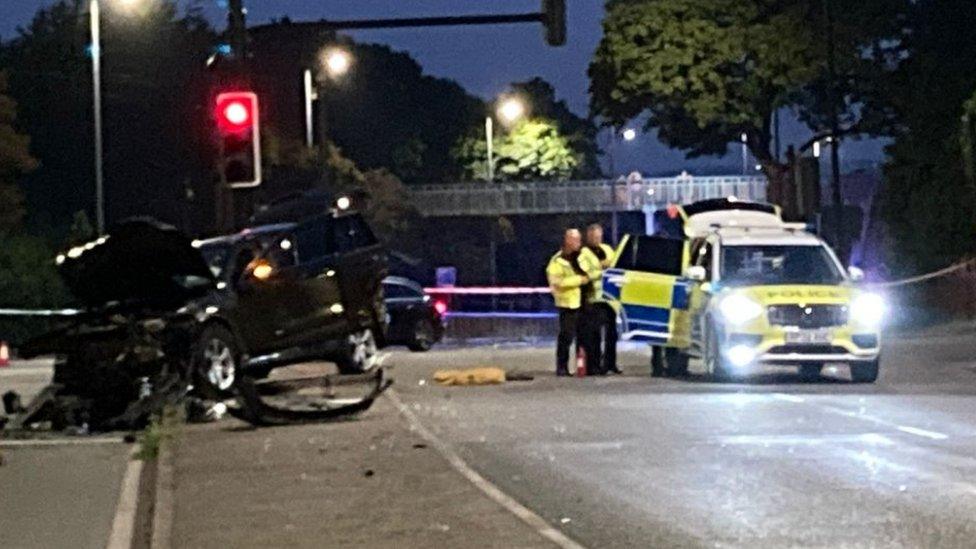
Understanding liability and fault in Florida claims is essential for anyone injured in an accident. After a crash or injury in Fort Lauderdale or anywhere in Broward County, determining who is legally responsible plays a major role in whether compensation can be recovered.
Insurance companies, attorneys, and courts all examine liability when evaluating personal injury claims. Establishing fault helps determine who should pay for medical bills, lost wages, and other damages caused by an accident.
For accident victims in South Florida, knowing how liability works can make it easier to understand the claims process and protect their legal rights.
What Liability Means in Florida Injury Claims
In personal injury law, liability refers to legal responsibility for causing an accident or injury.
When someone files a personal injury claim in Fort Lauderdale, Plantation, Hollywood, or elsewhere in Broward County, they must generally prove that another party acted negligently and that this negligence caused the accident.
Negligence typically involves four key elements:
- A duty of care existed
- The duty of care was breached
- The breach caused the accident
- The victim suffered damages as a result
For example, drivers in Fort Lauderdale have a legal duty to follow traffic laws and operate vehicles safely. If a driver runs a red light on Sunrise Boulevard or Federal Highway and causes a collision, that driver may be considered legally responsible for the resulting injuries.
Common Situations Where Liability Arises
Liability can arise in many types of accidents throughout Fort Lauderdale and South Florida.
Some common examples include:
Car and Truck Accidents
Motor vehicle crashes are one of the most common sources of personal injury claims in Broward County.
Drivers may be held liable if they engage in unsafe behaviors such as:
- Speeding
- Distracted driving
- Driving under the influence
- Running red lights or stop signs
- Failing to yield the right of way
These behaviors often lead to serious accidents on busy roadways like I-95, Broward Boulevard, and Las Olas Boulevard.
Slip and Fall Accidents
Property owners have a legal responsibility to maintain reasonably safe premises.
If a hazardous condition such as a wet floor, broken stairway, or uneven pavement causes an injury, the property owner may be held liable under Florida premises liability laws.
Slip and fall incidents frequently occur in:
- Shopping centers
- Hotels and resorts
- Restaurants
- Apartment complexes
Workplace and Construction Accidents
Workplace injuries can involve complex liability questions, especially on construction sites.
Responsible parties may include:
- Contractors
- Property owners
- Equipment manufacturers
- Third-party subcontractors
Identifying all liable parties is often critical in these cases.
Florida’s Comparative Negligence Rule
Florida follows a comparative negligence system, which means more than one party may share responsibility for an accident.
Under Florida Statute §768.81, a victim’s compensation may be reduced if they are partially responsible for the incident.
For example:
- If total damages equal $100,000
- And the injured person is found 20% responsible
- The compensation may be reduced to $80,000
Insurance companies often try to argue that victims share some degree of fault in order to reduce settlement payouts.
You can review the statute here:
https://www.flsenate.gov/Laws/Statutes/768.81
Because of this law, establishing clear liability is extremely important.
Evidence Used to Determine Fault
Determining liability in Florida accident claims typically requires careful examination of available evidence.
Investigators often rely on several types of documentation.
Important evidence may include:
- Police accident reports
- Photographs of the accident scene
- Vehicle damage analysis
- Witness statements
- Surveillance or dashcam footage
- Medical records
For example, if a crash occurs at a busy Fort Lauderdale intersection, traffic camera footage or witness testimony may help confirm which driver had the right of way.
Strong evidence helps clarify the facts and support liability claims.
Florida’s No-Fault Insurance System
In car accident cases, Florida operates under a no-fault insurance system.
This means injured drivers generally turn to their own insurance coverage first, regardless of who caused the accident.
This coverage is called Personal Injury Protection (PIP).
PIP typically covers:
- 80% of medical expenses
- 60% of lost wages
However, PIP benefits are limited and may not fully compensate victims for serious injuries.
More information about Florida insurance requirements can be found through the Florida Highway Safety and Motor Vehicles website:
https://www.flhsmv.gov/insurance/
If injuries meet Florida’s serious injury threshold, victims may pursue additional compensation from the at-fault party.
Multiple Parties and Shared Liability
Some accidents involve more than one responsible party.
For example:
- A multi-vehicle crash may involve several drivers
- A truck accident may involve both the driver and the trucking company
- A construction accident may involve contractors, property owners, and equipment suppliers
When multiple parties share responsibility, determining liability becomes more complex.
In these situations, investigators must carefully examine all evidence to identify each party’s role in the accident.
Common Insurance Company Arguments About Fault
Insurance companies frequently challenge liability in order to reduce compensation.
Common arguments include:
Claiming the Victim Was Partially Responsible
Insurers may argue that the injured person contributed to the accident through actions such as speeding or failing to pay attention.
Questioning Witness Statements
Insurance companies sometimes challenge witness credibility or claim that witness accounts are inconsistent.
Disputing Accident Details
Insurers may attempt to reinterpret evidence such as vehicle damage or skid marks to support their version of events.
Because of these tactics, clear documentation is critical.
Mistakes That Can Hurt a Liability Claim
Certain actions after an accident can make it more difficult to prove fault.
Common mistakes include:
Failing to Report the Accident
Without an official police report, it may be harder to establish what happened.
Not Collecting Evidence
Failing to take photos or gather witness information can limit the available evidence.
Speaking to Insurance Adjusters Without Legal Advice
Insurance representatives may request statements that can later be used against the claimant.
Posting Accident Details on Social Media
Online posts may be used by insurers to challenge claims about how the accident occurred.
Avoiding these mistakes can help preserve the strength of a liability claim.
How Fort Lauderdale Personal Injury Lawyers Prove Liability
An experienced Fort Lauderdale personal injury attorney often conducts a thorough investigation to establish liability.
Legal teams may:
- Obtain police reports and accident records
- Interview witnesses
- Review surveillance footage
- Work with accident reconstruction experts
- Analyze medical and financial documentation
These steps help build a clear picture of how the accident occurred and who was responsible.
Protecting Your Rights After an Accident in South Florida
Accidents can occur anywhere in Fort Lauderdale and throughout Broward County, from busy commercial areas like Las Olas Boulevard to heavily traveled highways such as I-95 and Florida’s Turnpike.
Taking the right steps after an accident can help protect your claim and strengthen evidence related to liability.
Important actions include:
- Seeking medical attention immediately
- Reporting the accident to law enforcement
- Documenting the accident scene
- Gathering witness contact information
- Avoiding detailed discussions with insurance companies
These steps help preserve evidence that may be critical when determining fault.
Speak With a Fort Lauderdale Personal Injury Lawyer About Your Case
If you were injured in an accident in Fort Lauderdale, Hollywood, Plantation, Davie, Coral Springs, Pompano Beach, Deerfield Beach, or anywhere in Broward County, understanding liability and fault can help you navigate the personal injury claims process.
Insurance companies often investigate accidents carefully and may attempt to shift blame to reduce payouts.
Working with an experienced Fort Lauderdale personal injury lawyer can help ensure that liability is properly investigated and your claim is supported by strong evidence.
Many law firms offer free consultations and handle cases on a contingency fee basis, meaning there are no upfront legal fees.
If you have questions about fault or liability after an accident in South Florida, speaking with a knowledgeable attorney can help you understand your legal options and pursue the compensation you deserve.