Evidence That Influences Injury Settlement Negotiations in Fort Lauderdale, Florida
When a personal injury occurs in Fort Lauderdale, the road to fair compensation often hinges on the evidence collected and presented. Whether it’s a car accident on Interstate 595, a slip and fall at a local shopping center, or a workplace injury in Sunrise or Plantation, the strength and clarity of your evidence can significantly influence the outcome of settlement negotiations. Understanding what types of evidence matter most, how Florida law affects their weight, and how an experienced attorney can leverage them is critical for any injured party seeking justice.
Why Evidence Matters in Injury Settlements
In Florida, most personal injury cases are resolved through settlements rather than full trials. Settlement negotiations are a delicate process where insurance adjusters, defense attorneys, and plaintiff lawyers evaluate the merits of a claim before agreeing on compensation. The quality and comprehensiveness of evidence directly affect:
- Liability determination – proving who caused the accident
- Injury severity – showing the full impact on your life
- Financial damages – quantifying medical bills, lost wages, and pain and suffering
Strong evidence strengthens your position, while weak or incomplete evidence can lead to lowball offers. Insurers are trained to minimize payouts, making documentation and verification of claims crucial in Broward County, including Fort Lauderdale, Pompano Beach, and Deerfield Beach.
Common Types of Evidence That Influence Settlements
1. Accident Reports and Official Records
For car and motorcycle accidents, the police report is often a cornerstone of evidence. These reports document:
- Officer observations at the scene
- Witness statements
- Citations or traffic violations
- Accident reconstruction details
In Florida, the traffic crash report filed with the Florida Department of Highway Safety and Motor Vehicles can be critical. A detailed report helps establish liability early, making it harder for insurers to dispute the facts.
For slip and fall or workplace accidents, incident reports maintained by property managers or employers serve a similar role, documenting the conditions that led to the injury.
2. Photographic and Video Evidence
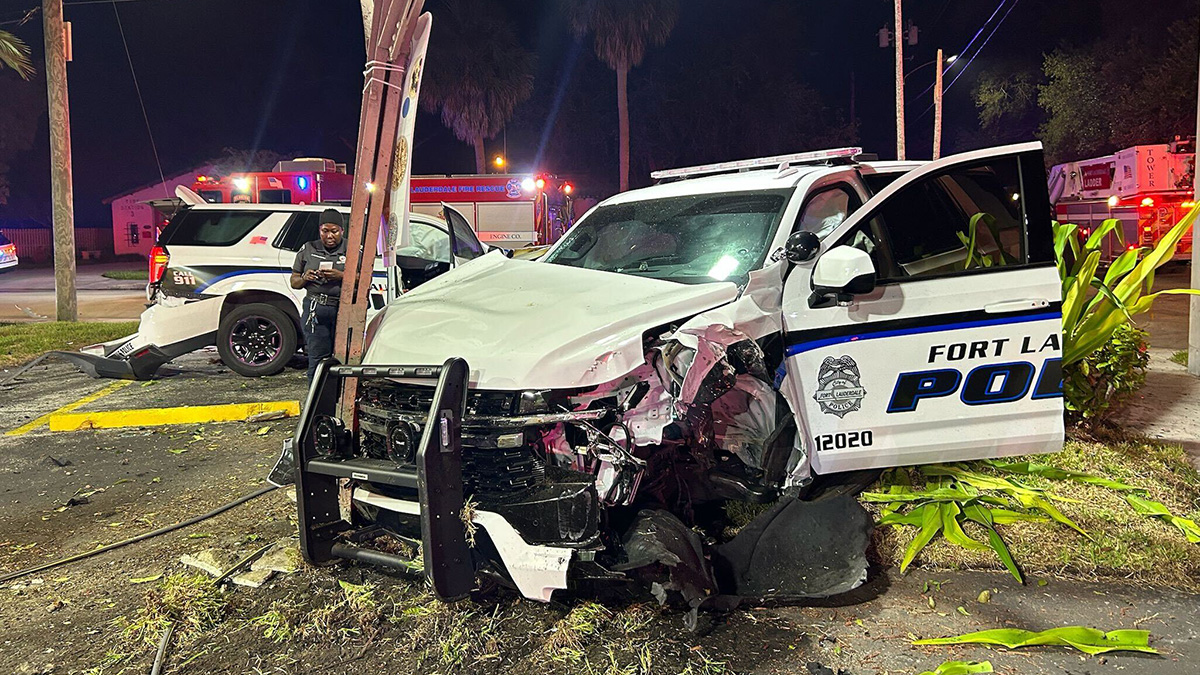
Photos and videos capture visual proof that words alone cannot convey. In Fort Lauderdale, common visual evidence includes:
- Vehicle damage after a crash
- Road conditions, skid marks, or traffic signal visibility
- Hazardous conditions in stores, restaurants, or apartment complexes
- Injuries sustained, such as bruises, lacerations, or swelling
Dashcam footage, surveillance cameras, and even bystander cellphone videos are invaluable. A clear image of a hazard or accident scene can tip the scales in settlement negotiations.
3. Medical Records and Treatment Documentation
Medical evidence is among the most persuasive forms of documentation. In Florida, insurance adjusters heavily rely on comprehensive medical records to evaluate the legitimacy and severity of injuries. Key medical evidence includes:
- Emergency room and hospital records
- Diagnostic imaging (X-rays, MRIs, CT scans)
- Physician notes and treatment plans
- Physical therapy reports
- Prognosis statements
In addition, keeping a personal injury journal detailing pain levels, emotional distress, and limitations in daily activities strengthens claims for non-economic damages like pain and suffering.
4. Expert Testimony and Evaluations
In complex cases, expert testimony can be decisive. Accident reconstruction specialists, medical professionals, and vocational experts provide assessments that help quantify liability and damages. Examples:
- Reconstruction experts determining who ran a red light in a Fort Lauderdale intersection
- Medical specialists evaluating the long-term impact of a back injury from a construction accident
- Economic experts calculating lost earning capacity after a workplace injury in Sunrise or Davie
These expert opinions are often used to counter insurance tactics aimed at minimizing claims.
5. Witness Statements
Eyewitness accounts can support your version of events and refute inconsistent narratives. Witness testimony is particularly valuable when:
- The at-fault party disputes liability
- Surveillance footage is unavailable
- Accident conditions are subject to interpretation
Depositions or written statements from neutral witnesses, neighbors, or coworkers can provide credibility during settlement negotiations.
6. Property and Vehicle Damage Assessments
For car, motorcycle, and bicycle accidents, damage to vehicles is more than a repair concern—it’s evidence of impact severity. Independent appraisals and repair estimates:
- Show the force of collisions
- Support claims for economic losses
- Corroborate medical claims
Similarly, for slip and fall or premises liability cases, documentation of hazardous conditions (e.g., broken railings, wet floors, uneven sidewalks) supports claims of negligence.
7. Insurance and Policy Documentation
Understanding the at-fault party’s insurance coverage is crucial. Evidence here includes:
- Policy limits
- Coverage types (liability, personal injury protection, uninsured/underinsured motorist)
- Prior claims history
This information helps attorneys tailor settlement demands and anticipate insurer strategies.
Florida-Specific Legal Considerations
Florida personal injury law includes factors that directly influence how evidence is weighed in settlement negotiations:
- Comparative Negligence: Florida follows a pure comparative fault system (Florida Statutes § 768.81), meaning your compensation may be reduced if you share responsibility for the accident. Evidence proving limited fault can preserve or increase your settlement.
- PIP / No-Fault Rules: For car accidents, Florida’s Personal Injury Protection (PIP) system may cover initial medical expenses. However, claims exceeding PIP limits require solid evidence of serious injuries.
- Deadlines: Florida Statutes set specific statutes of limitation for filing personal injury claims (generally four years for injury claims, § 95.11(3)(a)). Proper documentation ensures timely action.
Insurance Company Tactics and Evidence Challenges
Insurance adjusters often attempt to downplay evidence or challenge its credibility. Common tactics include:
- Claiming injuries were pre-existing
- Questioning medical treatment necessity
- Offering early, low settlement amounts
Having comprehensive, organized evidence can counter these strategies. For example, detailed medical records coupled with accident scene photos make it harder for insurers to deny responsibility.
Common Mistakes That Undermine Evidence
Many injury victims inadvertently weaken their claims through:
- Failing to document injuries immediately after the accident
- Ignoring medical treatment recommendations
- Not preserving digital evidence (texts, emails, or photos)
- Giving recorded statements to insurers without legal advice
Avoiding these mistakes is essential. A Fort Lauderdale personal injury attorney can guide you in collecting and preserving evidence properly, ensuring it strengthens your negotiating position.
How Legal Representation Enhances Evidence Use
Experienced attorneys in Fort Lauderdale, Plantation, Hollywood, and Coral Springs know how to:
- Collect and organize evidence effectively
- Obtain expert evaluations when needed
- Navigate Florida’s comparative negligence rules
- Communicate persuasively with insurance adjusters
Legal counsel ensures that every piece of evidence—from police reports to witness statements—is leveraged to maximize your settlement. Attorneys can also anticipate defenses, present evidence in the most compelling order, and negotiate for fair compensation without unnecessary delays.
Strategic Use of Evidence in Negotiations
During settlement talks, evidence serves multiple strategic functions:
- Establishing Liability – Accident reports, photos, and witness statements clearly demonstrate who is at fault.
- Quantifying Damages – Medical bills, lost wages, and repair estimates provide concrete numbers.
- Supporting Pain and Suffering – Personal journals, photos of injuries, and medical documentation help justify non-economic damages.
- Countering Disputes – Expert testimony can preempt insurance challenges and counter claims of pre-existing injuries.
Properly presented evidence not only increases the settlement amount but also reduces the risk of prolonged litigation.
Conclusion
In Fort Lauderdale and throughout South Florida, the path to a fair personal injury settlement is paved with strong, organized evidence. From accident reports and medical records to expert testimony and eyewitness statements, every piece of documentation strengthens your negotiating position. Understanding Florida law, avoiding common mistakes, and partnering with a skilled personal injury attorney ensures that your case is presented persuasively and effectively.