
Evidence That Influences Injury Compensation Outcomes in Fort Lauderdale
Suffering an injury in an accident can be physically and emotionally overwhelming. In Fort Lauderdale, Plantation, Hollywood, and throughout Broward County, the ability to recover fair compensation depends heavily on the quality and comprehensiveness of your evidence. Whether your injuries stem from a car accident on I-95, a slip and fall in a shopping center, a motorcycle collision near Sunrise Boulevard, or a bicycle or pedestrian accident in Coral Springs, strong evidence can significantly influence the outcome of your personal injury claim.
Insurance companies, courts, and juries rely on evidence to determine both liability and damages. Understanding what types of evidence carry the most weight, and how to preserve them properly, is crucial for ensuring that your claim achieves the maximum possible recovery.
Why Evidence Matters in Injury Compensation
In Florida, injury compensation is based on proving liability and damages. Evidence serves as the foundation for:
- Establishing that the at-fault party caused the accident
- Demonstrating the severity and extent of injuries
- Calculating financial losses, including medical bills and lost wages
- Supporting claims for non-economic damages such as pain and suffering
- Countering insurance company tactics that aim to minimize payouts
Without strong, organized evidence, insurance adjusters may undervalue your claim, or courts may question the legitimacy or extent of your damages.
Key Types of Evidence That Influence Outcomes
1. Medical Records and Expert Evaluations
Medical documentation is central to any injury claim. Key items include:
- Hospital and emergency room records
- Physician and specialist notes
- Diagnostic imaging such as X-rays, MRIs, and CT scans
- Rehabilitation and physical therapy records
- Prescriptions and medication receipts
Medical evidence proves that your injuries are real, necessary treatments were provided, and ongoing care may be required. Expert opinions, such as life care plans or medical assessments, are especially persuasive in complex cases and help quantify future medical costs.
2. Police and Accident Reports
Official accident reports provide an objective account of the incident. Reports from the Fort Lauderdale Police Department, Broward Sheriff’s Office, or other local authorities typically include:
- Date, time, and location of the accident
- Parties involved and vehicle or property information
- Statements from witnesses
- Preliminary determinations of fault
These reports support claims of liability and provide credibility when presenting your case to insurers or in court.
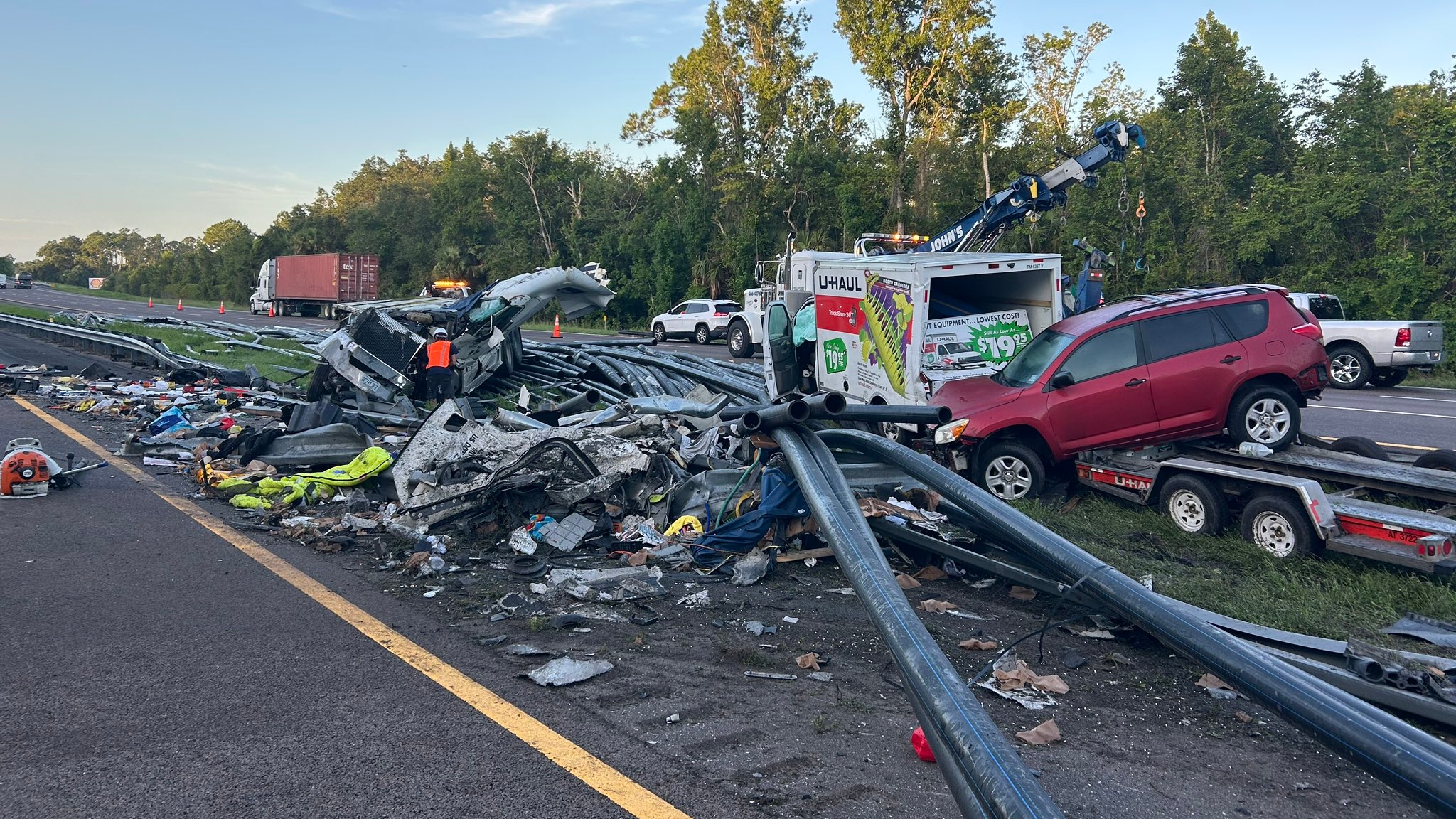
3. Photographs and Videos
Visual documentation can have a powerful influence on compensation outcomes. Preserve images and footage of:
- The accident scene, including road conditions, debris, and hazards
- Vehicle or property damage
- Visible injuries such as bruises, cuts, or swelling
- Environmental factors like poor lighting or wet floors
High-quality photos and videos taken immediately after the accident, as well as during recovery, can strengthen both liability and damage claims.
4. Witness Statements
Eyewitness accounts corroborate your version of events and can be decisive in disputes over fault or severity. Collect:
- Names, phone numbers, and contact details
- Written or recorded statements describing the accident and its consequences
- Observations of your injuries or pain levels
Witnesses from Fort Lauderdale and surrounding areas such as Pompano Beach, Deerfield Beach, and Coral Springs add independent verification to your claim.
5. Financial and Employment Documentation
Economic losses are a critical component of compensation. Maintain records such as:
- Pay stubs and employer verification for lost wages
- Tax records for self-employed income losses
- Receipts for property damage repairs
- Proof of transportation or other out-of-pocket expenses related to recovery
These documents allow your attorney to calculate full compensation accurately.
6. Personal Journals and Daily Logs
Keeping a personal journal documenting your recovery and daily limitations helps establish non-economic damages:
- Pain and suffering levels
- Emotional or psychological impact
- Limitations in work, hobbies, or social activities
Courts and insurers often consider this type of evidence when determining compensation for intangible losses.
7. Expert Reports and Technical Analysis
In serious accidents, experts can provide additional credibility and clarity:
- Accident reconstruction specialists to determine cause and fault
- Vocational experts to calculate lost earning capacity
- Medical experts to assess long-term impacts or permanent disability
Expert testimony can directly influence compensation outcomes by providing objective, professional analysis.
Strategies to Preserve Evidence Effectively
- Document Immediately – Take photos, videos, and detailed notes right after the accident.
- Keep Multiple Copies – Maintain digital backups and physical copies of all records.
- Organize Chronologically – Create a timeline of events, treatments, and financial impacts.
- Track Communications – Log all interactions with medical providers, insurers, and witnesses.
- Avoid Social Media Posts – Do not post accident-related content that could be used against you.
- Consult an Attorney Early – A Fort Lauderdale personal injury lawyer can identify critical evidence and ensure it is preserved properly for settlement or litigation.
Common Mistakes That Weaken Compensation Claims
- Delaying medical care or accident reporting
- Losing receipts, bills, or other documentation
- Settling too quickly without fully documenting long-term damages
- Failing to obtain witness statements or expert evaluations early
- Posting online content that contradicts your injury claims
Avoiding these mistakes ensures your evidence has maximum influence on your claim’s outcome.
The Role of a Fort Lauderdale Personal Injury Lawyer
An experienced local attorney can help:
- Identify all relevant evidence to support your claim
- Coordinate expert evaluations for complex injuries
- Organize and present documentation persuasively to insurers or courts
- Negotiate settlements effectively or pursue litigation if necessary
- Navigate Florida-specific laws, including PIP coverage, comparative negligence, and claim deadlines
Lawyers familiar with Fort Lauderdale and South Florida accident patterns provide a strategic advantage, ensuring your claim reflects the full scope of damages and liability.
Moving Forward After an Accident
Evidence is the foundation of successful injury compensation in Fort Lauderdale and throughout Broward County. From car crashes on Sunrise Boulevard to slip and fall incidents in Plantation or motorcycle collisions in Coral Springs, carefully preserved medical, financial, eyewitness, and expert evidence maximizes the likelihood of fair compensation.
If you or a loved one have been injured in Fort Lauderdale or nearby cities, contact a trusted personal injury attorney. Free consultations are available, there are no upfront fees, and legal guidance is accessible 24/7. Proper evidence collection protects your rights and strengthens your case, ensuring compensation covers medical bills, lost wages, property damage, pain and suffering, and long-term effects of your injuries.
With organized evidence and experienced legal representation, injury victims can confidently pursue the compensation they deserve under Florida law.