
Evidence That Helps Prove Negligence in Injury Cases in Fort Lauderdale
When an accident in Fort Lauderdale, Plantation, Hollywood, or across Broward County results in injury, establishing negligence is crucial for securing fair compensation. Negligence is the legal principle that holds a person or entity responsible for harm caused by their failure to act with reasonable care. Whether you are involved in a car collision on I-95, a motorcycle accident near Sunrise Boulevard, a slip and fall at a local business, or a pedestrian accident in Coral Springs, collecting and presenting the right evidence is the foundation of a successful personal injury claim.
Insurance companies and courts require clear proof that the at-fault party breached their duty of care and caused your injuries. Without strong evidence, even obvious accidents can lead to reduced settlements or claim denials.
Understanding Negligence in Florida
Florida law defines negligence as the failure to exercise the standard of care that a reasonably prudent person would in similar circumstances. To prove negligence, a victim must demonstrate:
- Duty of Care – The responsible party owed a legal obligation to act safely.
- Breach of Duty – The party failed to meet this obligation through action or inaction.
- Causation – The breach directly caused the accident or injury.
- Damages – The victim suffered measurable harm, including medical costs, lost wages, property damage, or pain and suffering.
Florida follows a comparative negligence system (Florida Statutes §768.81), which can reduce compensation if the victim shares fault. Strong evidence is vital to accurately assign liability and maximize recovery.
Types of Evidence That Prove Negligence
1. Police and Accident Reports
Official reports from the Fort Lauderdale Police Department, Broward Sheriff’s Office, or other authorities provide an objective account of the incident, including:
- Details about the location, date, and time of the accident
- Parties involved and insurance information
- Initial observations and fault assessment
- Statements from witnesses
Police reports serve as critical evidence for both insurance negotiations and courtroom proceedings.
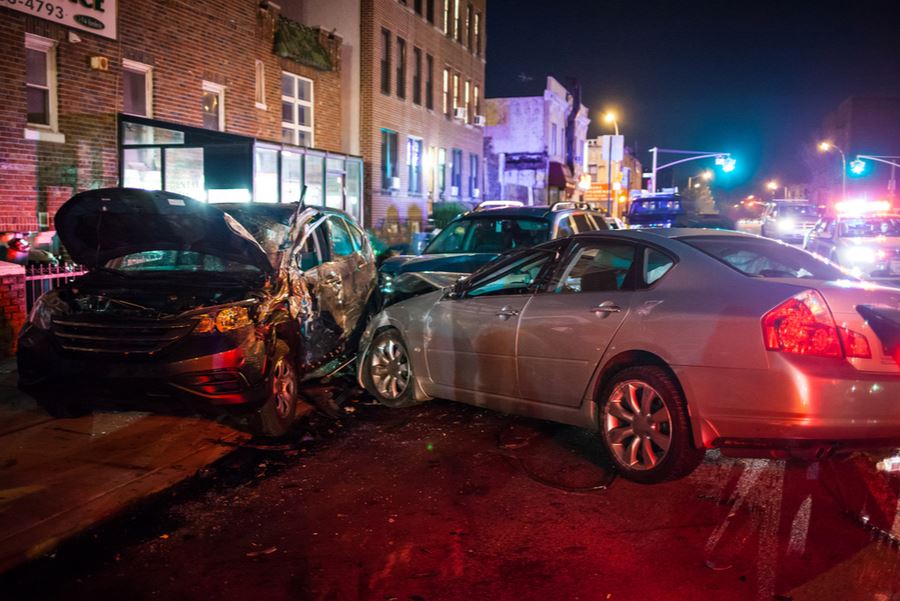
2. Photographs and Videos
Visual evidence is highly persuasive in proving negligence:
- Accident scene, showing hazards like wet floors, potholes, or debris
- Vehicle or property damage
- Road conditions, signage, or traffic control issues
- Visible injuries immediately after the accident
Photographs and videos create a clear, tangible record that supports claims of unsafe conditions or reckless behavior.
3. Witness Statements
Eyewitness accounts corroborate your version of events and highlight negligent behavior. Collect statements from:
- Bystanders in Fort Lauderdale, Coral Springs, Pompano Beach, or Deerfield Beach
- Co-workers, passengers, or pedestrians
- Experts who may have observed the conditions contributing to the accident
Written or recorded statements add credibility and help establish fault clearly.
4. Medical Records
Medical evidence demonstrates the harm resulting from the negligent act. Essential documentation includes:
- Emergency room and hospital records
- Physician and specialist notes
- Diagnostic imaging and lab reports
- Physical therapy or rehabilitation records
- Prescription receipts
Medical documentation links the negligent act to actual injury, supporting both economic and non-economic damage claims.
5. Financial Records
Evidence of economic losses strengthens your case for damages caused by negligence:
- Pay stubs or tax returns verifying lost wages
- Receipts for property repair or replacement
- Out-of-pocket medical expenses
- Documentation of transportation, childcare, or other accident-related costs
Well-documented financial losses demonstrate the tangible impact of negligence.
6. Expert Testimony
In complex cases, expert opinions can establish negligence or clarify liability:
- Accident reconstruction specialists
- Medical experts assessing causation and long-term injury
- Safety consultants evaluating hazardous conditions
Experts provide objective support, especially when fault is disputed or injuries are severe.
7. Records of Prior Incidents
Evidence showing a history of negligence can be relevant in certain cases, such as:
- Previous accidents at the same location
- Past complaints about unsafe practices
- Known hazardous conditions that were ignored
This evidence demonstrates a pattern of carelessness and strengthens claims of preventable harm.
Strategies for Preserving Evidence of Negligence
- Document Immediately – Take photographs, videos, and record witness contact information as soon as possible.
- Maintain Copies – Keep both digital and physical copies of all documents.
- Organize Chronologically – Establish a clear timeline of events, injuries, and damages.
- Preserve Communications – Save emails, texts, or messages related to the accident.
- Avoid Social Media Pitfalls – Refrain from posting accident-related details that could be misinterpreted.
- Consult a Fort Lauderdale Attorney Early – Legal guidance ensures evidence is properly preserved and presented.
Common Mistakes That Undermine Negligence Claims
- Failing to gather evidence immediately
- Not obtaining witness statements promptly
- Settling a claim before all damages are documented
- Overlooking contributory negligence factors
- Ignoring expert evaluations in complex cases
Avoiding these mistakes strengthens your position during settlement negotiations or trial.
How a Fort Lauderdale Personal Injury Lawyer Can Help
A local personal injury attorney provides critical support in proving negligence:
- Collects and organizes all relevant evidence
- Coordinates expert testimony for accident reconstruction and injury assessment
- Calculates economic and non-economic damages accurately
- Negotiates with insurers to ensure fair compensation
- Represents you in court if a trial becomes necessary
Lawyers familiar with Fort Lauderdale and Broward County accidents understand local traffic patterns, slip and fall hazards, and insurance company tactics, giving your claim a strategic advantage.
Moving Forward After an Accident
Proving negligence is the cornerstone of injury claims in Fort Lauderdale and surrounding areas such as Plantation, Hollywood, Coral Springs, Pompano Beach, and Deerfield Beach. From car and motorcycle accidents to slips, falls, and pedestrian incidents, thorough documentation and expert support are essential for establishing liability and recovering compensation.
If you or a loved one have been injured due to someone else’s negligence, contact a trusted Fort Lauderdale personal injury attorney. Free consultations are available, there are no upfront fees, and 24/7 legal guidance ensures your rights are protected. With strong evidence and professional representation, injury victims can secure compensation for medical bills, lost income, property damage, pain and suffering, and long-term consequences of the accident.