
Evidence Evaluation in Florida Injury Cases
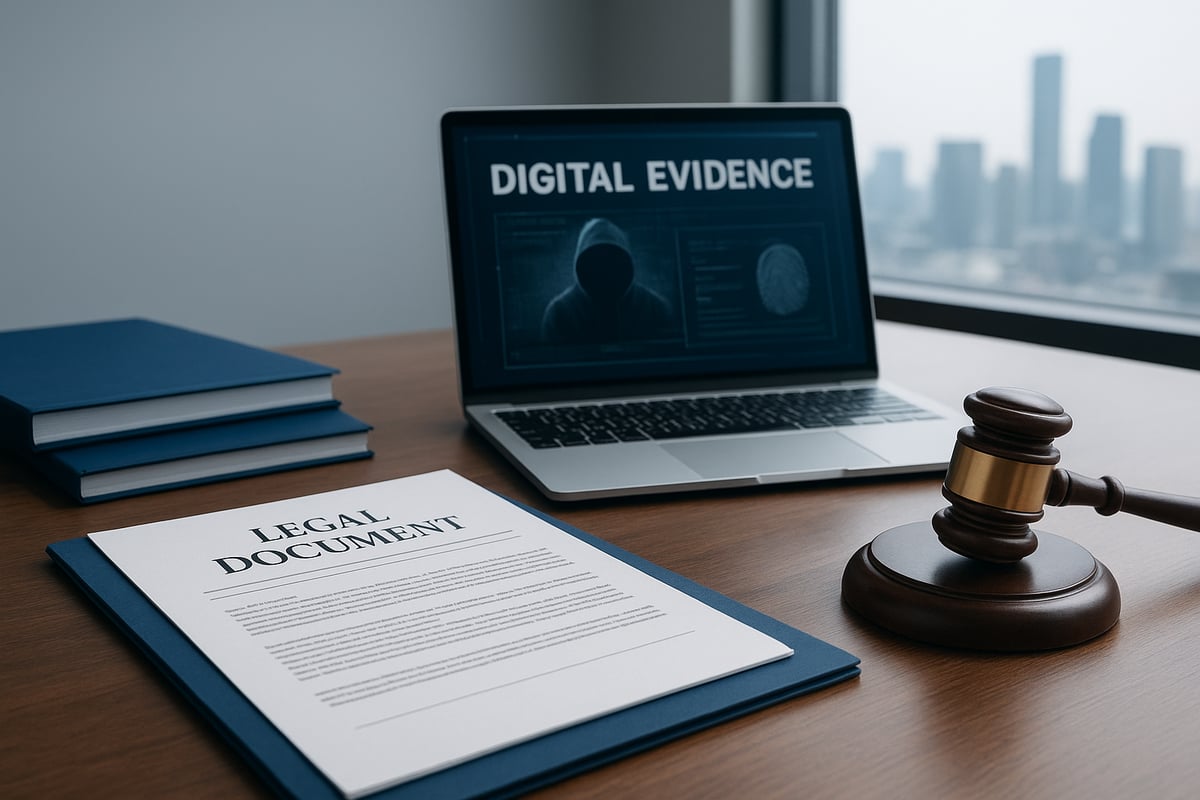
In Fort Lauderdale, Broward County, and throughout South Florida, evaluating evidence is a critical step in pursuing a personal injury claim. Whether your case arises from a motor vehicle accident, slip and fall, workplace injury, or pedestrian incident, the outcome often depends on how thoroughly evidence is collected, assessed, and presented.
Insurance companies, defense attorneys, and courts meticulously review all available evidence to determine liability, causation, and damages. Accident victims who fail to properly document or evaluate evidence risk lower settlements or denied claims. Understanding the process of evidence evaluation ensures that victims can protect their rights and maximize recovery under Florida law.
The Role of Evidence in Florida Personal Injury Claims
Evidence serves several critical functions in personal injury cases:
- Establishing Liability – Determining who caused the accident and whether negligence occurred.
- Proving Causation – Showing that the accident directly caused injuries.
- Quantifying Damages – Providing documentation of medical costs, lost wages, property damage, and other financial impacts.
- Supporting Non-Economic Damages – Demonstrating pain and suffering, emotional distress, and diminished quality of life.
- Strengthening Negotiation and Litigation – Well-evaluated evidence increases leverage with insurance companies and courts.
Without thorough evaluation, even compelling injury cases can fail to achieve fair compensation.
Types of Evidence in Florida Injury Cases
1. Medical Records
Medical records are the backbone of personal injury claims:
- Emergency room and hospital reports
- Doctor and specialist notes
- Diagnostic imaging such as X-rays, MRIs, and CT scans
- Therapy and rehabilitation records
- Prescription and medication logs
These records demonstrate injury severity, causation, and ongoing medical needs, which are critical for both settlement negotiations and potential litigation.
2. Accident Reports
Official reports from law enforcement or other authorities provide:
- Details of the accident, including time, location, and parties involved
- Statements from involved parties and witnesses
- Initial assessments of fault or contributing factors
While not conclusive, accident reports carry significant weight in proving liability and corroborating a claimant’s account.
3. Witness Statements
Eyewitness testimony provides independent verification of events:
- Bystanders who observed the accident
- Coworkers or supervisors in workplace incidents
- Residents or patrons in slip and fall cases
Witness statements help establish how the accident occurred and counter insurance company disputes about fault or damages.
4. Photographs and Videos
Visual evidence is invaluable for evaluating accidents:
- Images of accident scenes, road conditions, or hazards
- Damage to vehicles, property, or personal belongings
- Injuries immediately following the incident
Video footage from traffic cameras, security systems, or smartphones can objectively document events and often strengthens claims more than verbal accounts alone.
5. Expert Analysis
Expert testimony can clarify complex aspects of a case:
- Accident reconstruction specialists analyze collisions to determine causation
- Medical experts link injuries to the accident and forecast long-term care needs
- Vocational experts assess lost earning capacity due to disability
- Economic experts calculate current and future financial losses
Experts provide objective opinions that enhance credibility and negotiation strength.
6. Digital Evidence
In modern claims, digital records can play a critical role:
- Vehicle GPS data or telematics
- Smartphone location or communication logs
- Emails or text messages demonstrating negligence or unsafe behavior
- Social media posts that may corroborate or contradict claims
Digital evidence must be preserved promptly, as files can be altered, deleted, or overwritten.
7. Property and Vehicle Inspections
Inspections of damaged property or vehicles help quantify economic losses:
- Assessing repair or replacement costs
- Identifying mechanical failure, negligence, or hazardous conditions
- Supporting claims for diminished value or ongoing risks
Property inspections provide tangible, objective proof of damages for both settlements and litigation.
Evaluating Evidence Effectively
1. Credibility Assessment
Not all evidence carries equal weight. Attorneys evaluate credibility by:
- Verifying the source and authenticity of documents
- Reviewing consistency in medical records, accident reports, and witness statements
- Considering potential biases in testimony
Credible evidence significantly strengthens claims and reduces disputes with insurance companies.
2. Establishing Causation
Evaluators focus on linking the accident to the injuries:
- Medical records must show a timeline of treatment beginning soon after the accident
- Expert opinions may be necessary for complex injuries like soft tissue or neurological damage
- Evidence of pre-existing conditions must be considered to differentiate new injuries from prior issues
Strong causation evidence is critical for maximizing compensation.
3. Quantifying Damages
Evidence must demonstrate financial impact:
- Detailed medical bills, therapy invoices, and prescription costs
- Employment records for lost wages and reduced earning capacity
- Repair estimates or receipts for damaged property
Accurate documentation ensures full recovery of economic damages and supports claims for future costs.
4. Assessing Non-Economic Damages
Non-economic damages, such as pain and suffering, require thoughtful evaluation:
- Consistent medical documentation of ongoing treatment
- Therapy notes reflecting physical or emotional impairment
- Personal accounts of limitations on daily activities and lifestyle changes
Evaluators often rely on expert testimony and documented evidence to translate non-economic losses into compensation amounts.
5. Reviewing Insurance and Policy Considerations
Insurance coverage influences the value of a claim:
- Policy limits may cap potential recovery
- Multiple at-fault parties can complicate claims
- Comparative negligence under Florida Statute §768.81 may reduce awards
Evaluators incorporate insurance considerations to guide realistic settlement expectations.
Common Pitfalls in Evidence Evaluation
- Incomplete Medical Documentation – Missing records or inconsistent treatment logs weaken claims.
- Delayed Evidence Collection – Accident scenes, witnesses, and digital data may be lost if not preserved quickly.
- Ignoring Minor Injuries – Even minor symptoms can become significant; failing to document them can reduce compensation.
- Miscommunication with Insurers – Statements made without attorney guidance may be misinterpreted.
- Overlooking Long-Term Damages – Future medical needs, rehabilitation, and lost earning capacity must be considered.
Avoiding these mistakes ensures that evidence supports full recovery.
The Role of Attorneys in Evidence Evaluation
A Fort Lauderdale personal injury attorney guides clients through the evaluation process:
- Identifying and preserving critical evidence
- Coordinating with medical providers, accident reconstructionists, and financial experts
- Organizing evidence for negotiation or litigation
- Assessing credibility and strength of claims
- Advising clients on settlement offers and trial strategies
Attorneys ensure that evidence is accurate, compelling, and strategically presented, giving clients the best chance at fair compensation.
Conclusion
Evidence evaluation is the backbone of Florida personal injury claims. For victims in Fort Lauderdale, Hollywood, Plantation, Davie, Sunrise, Coral Springs, and throughout Broward County, thorough assessment of medical records, accident reports, witness statements, photographs, expert analyses, and digital data is essential to establish liability, causation, and damages.
Proper evaluation strengthens negotiations with insurance companies, supports settlements that account for current and future losses, and provides a solid foundation for litigation if necessary. Experienced personal injury attorneys guide clients through this complex process, ensuring that all evidence is preserved, assessed, and presented effectively.
By engaging legal counsel early, South Florida accident victims can maximize compensation for medical expenses, lost wages, property damage, and pain and suffering while protecting their rights throughout the claims process. Many law firms offer free consultations and work on a contingency fee basis, making professional guidance accessible to all accident victims seeking justice and full recovery.