
Evidence Collection in Accident Litigation in Fort Lauderdale
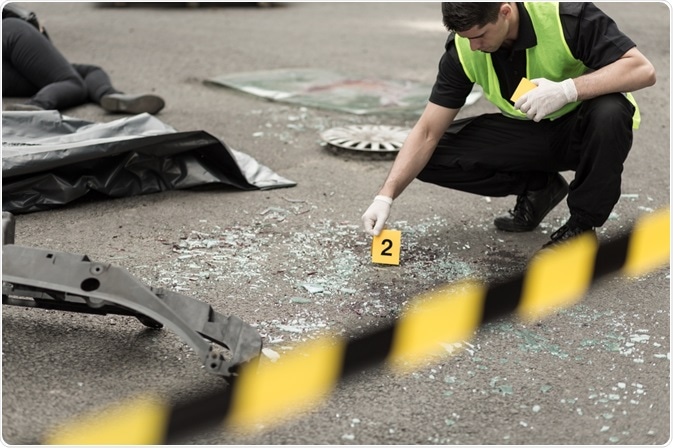
Evidence collection is one of the most critical parts of accident litigation. When someone is injured due to another person’s negligence, the ability to gather and preserve strong evidence can significantly influence the outcome of the case. In Fort Lauderdale and throughout Broward County, personal injury claims often depend on detailed evidence that proves how the accident occurred and who was responsible.
Whether the incident involves a car crash, truck accident, motorcycle collision, pedestrian injury, slip and fall, or workplace accident, evidence provides the foundation for pursuing compensation. Accidents frequently occur on busy roadways such as I-95, Sunrise Boulevard, A1A, and Federal Highway (US-1), where establishing liability requires careful documentation and investigation.
Understanding how evidence is collected and used in accident litigation can help injured victims protect their rights and strengthen their claims.
Why Evidence Collection Matters in Accident Litigation
In Florida personal injury law, the injured party must demonstrate that another person’s negligence caused the accident and resulting damages.
This typically requires proving:
- The responsible party owed a duty of care
- That duty was breached
- The breach caused the accident
- The victim suffered measurable damages
Insurance companies often challenge these claims. Without strong evidence, they may argue that the victim’s injuries were unrelated to the accident or that another party was responsible.
Florida law also allows fault to be shared among multiple parties. Under Florida Statutes §768.81, compensation may be reduced if the injured person is partially responsible for the accident.
Because of this rule, detailed evidence is essential when pursuing financial recovery.
Accident Scene Evidence
Evidence collected directly from the accident scene often provides crucial information about how the incident occurred.
Investigators may document:
- Skid marks on the roadway
- Vehicle debris patterns
- Road hazards or construction zones
- Traffic signals and signs
- Weather and lighting conditions
Accidents in high-traffic areas such as Las Olas Boulevard, Broward Boulevard, and Oakland Park Boulevard can change quickly once vehicles are removed. Prompt documentation helps preserve these details before they disappear.
Photographs and measurements taken at the scene can later help accident reconstruction experts analyze the collision.
Police and Official Accident Reports
When law enforcement responds to an accident in Fort Lauderdale, officers typically prepare an official crash report.
These reports often include:
- The location and time of the accident
- Information about drivers and vehicles involved
- Witness statements
- Officer observations
- Citations issued for traffic violations
Local agencies such as the Fort Lauderdale Police Department or the Broward Sheriff’s Office regularly prepare these reports for accidents throughout Broward County.
Although police reports may not always determine fault definitively, they frequently provide valuable evidence in accident litigation.
Photographic and Video Evidence
Photographs and video recordings can be extremely persuasive in accident claims.
Helpful visual evidence may include:
- Damage to vehicles or property
- Roadway conditions
- Traffic signals and signage
- Debris or skid marks
- Visible injuries
In many South Florida accidents, surveillance cameras may capture footage that helps explain what happened. Potential sources of video evidence include:
- Traffic cameras
- Business security cameras
- Residential surveillance systems
- Dashcams from nearby vehicles
Footage captured in areas such as downtown Fort Lauderdale, Pompano Beach, or Deerfield Beach may provide clear proof of driver negligence.
Medical Records and Injury Documentation
Medical documentation is essential for proving both the existence and severity of injuries.
Important medical evidence may include:
- Emergency room records
- Diagnostic imaging (X-rays, MRIs, CT scans)
- Physician treatment notes
- Surgical reports
- Physical therapy records
- Prescription medication documentation
These records demonstrate how the accident affected the victim’s health and help establish the financial damages associated with treatment.
Florida’s no-fault insurance system often provides initial medical coverage after vehicle accidents. Under Florida Statutes §627.736, Personal Injury Protection (PIP) benefits may cover:
- 80% of medical expenses
- 60% of lost wages
- Up to $10,000 in benefits
However, serious injuries frequently exceed these limits, requiring additional claims against the at-fault party.
Witness Statements
Witness testimony can provide an unbiased account of the events leading up to an accident.
Witnesses may confirm details such as:
- A driver running a red light
- Distracted or impaired driving
- Excessive speed
- Failure to yield
- Dangerous property conditions
In busy communities like Plantation, Davie, Sunrise, and Coral Springs, accidents often occur in crowded locations where witnesses may be present.
Obtaining witness statements early is important because memories can fade over time.
Vehicle Damage and Mechanical Evidence
The physical condition of vehicles involved in a crash can reveal important clues about how the accident occurred.
Investigators may analyze:
- Points of impact
- Vehicle crush patterns
- Airbag deployment
- Tire marks and braking patterns
- Damage consistency with collision reports
Modern vehicles may also contain event data recorders, sometimes called “black boxes,” which store information about speed, braking, and steering immediately before a crash.
For collisions on major highways such as I-595 or the Sawgrass Expressway, this data can provide valuable insights.
Expert Witness Analysis
Complex accident cases often require professional analysis from experts who can interpret technical evidence.
Experts commonly involved in accident litigation include:
- Accident reconstruction specialists
- Medical experts
- Engineering professionals
- Economic experts
These specialists help explain complex evidence to insurance companies, judges, and juries.
Their analysis can be especially important in high-value cases involving catastrophic injuries or disputed liability.
Time Limits for Preserving Evidence
Evidence collection must occur quickly because delays can result in lost or damaged information.
Florida law also sets deadlines for filing personal injury lawsuits. Under Florida Statutes §95.11, most accident victims have two years to file a lawsuit after the date of the injury.
However, waiting too long to begin the investigation can make it more difficult to locate witnesses or obtain surveillance footage.
Starting the evidence collection process early can significantly strengthen a case.
How a Fort Lauderdale Personal Injury Attorney Helps Collect Evidence
Accident litigation often requires a detailed and well-organized investigation. A Fort Lauderdale personal injury attorney can play a key role in gathering and preserving the evidence needed to build a strong case.
An attorney may assist by:
- Conducting a thorough accident investigation
- Collecting police reports and crash data
- Securing surveillance footage
- Interviewing witnesses
- Consulting accident reconstruction experts
- Organizing medical and financial documentation
These efforts help create a clear narrative that demonstrates liability and supports the victim’s claim for compensation.
Speak With a Fort Lauderdale Accident Attorney Today
If you or a loved one has been injured in an accident in Fort Lauderdale, Hollywood, Davie, Plantation, Sunrise, Coral Springs, Pompano Beach, Deerfield Beach, or anywhere in Broward County, proper evidence collection can make a critical difference in the outcome of your case.
An experienced Fort Lauderdale personal injury attorney can investigate the accident, gather essential evidence, and help you pursue the compensation you deserve.
Free consultations are available, and there are no upfront legal fees unless compensation is recovered. Help is available 24/7 to discuss your accident claim and guide you through the legal process.