
Deerfield Beach Injury Cases: Proving Pain and Suffering
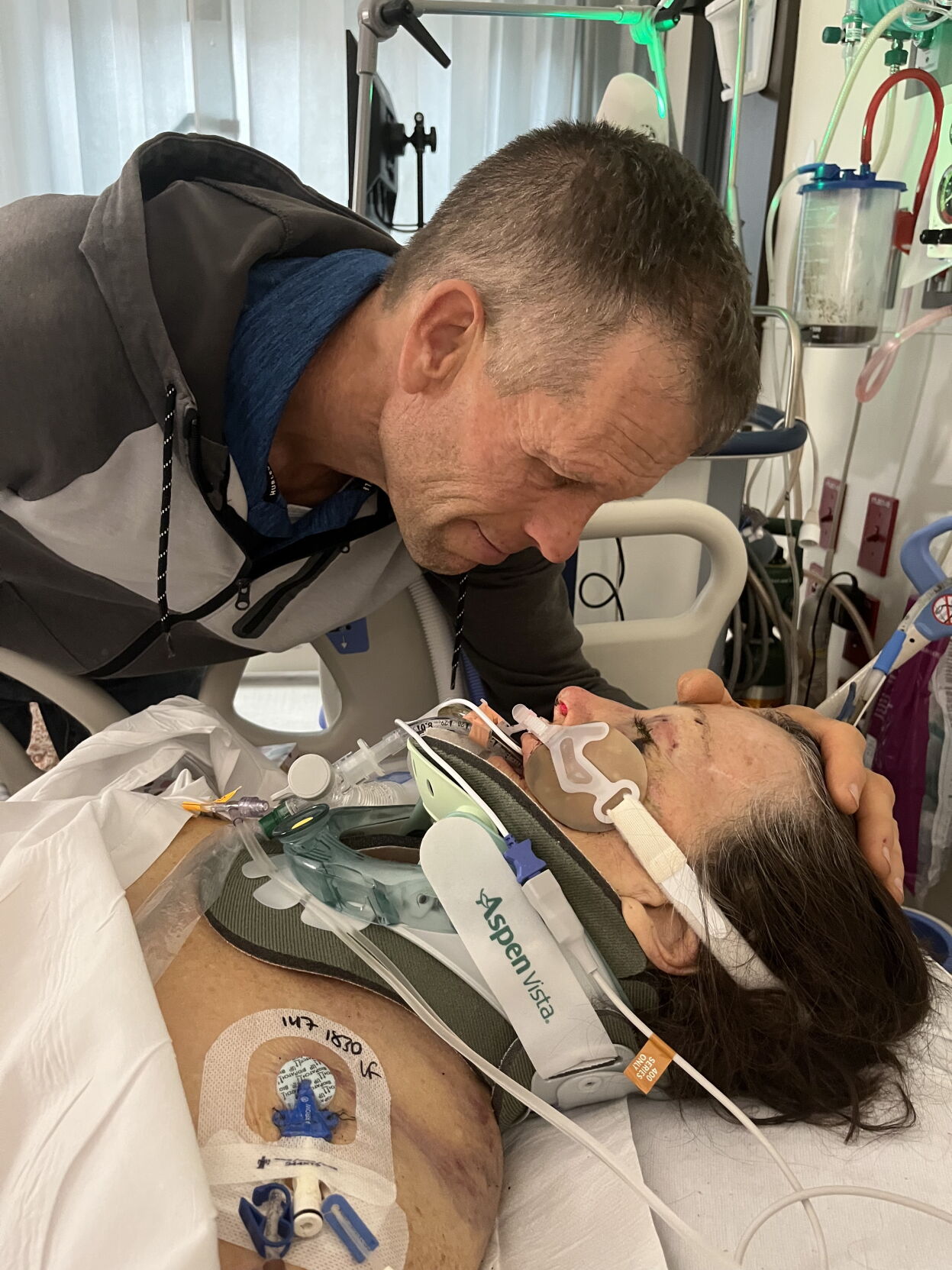
When someone is injured in Deerfield Beach, the physical pain is only part of the story. Beyond medical bills and lost wages, victims may suffer emotional distress, loss of enjoyment of life, and chronic discomfort. These are considered non-economic damages, often referred to as pain and suffering. Unlike tangible costs, pain and suffering cannot be proven with receipts or invoices alone—but it can still be documented and argued effectively in a claim or lawsuit.
This guide explains how Deerfield Beach injury victims can prove pain and suffering, what types of evidence matter, and strategies for maximizing non-economic damages.
Step 1: Understanding Pain and Suffering
Pain and suffering includes both physical and emotional impacts:
- Physical pain – Lingering aches, limited mobility, chronic headaches, or scarring.
- Emotional suffering – Anxiety, depression, insomnia, PTSD, or fear of driving after an accident.
- Lifestyle impact – Inability to enjoy hobbies, exercise, travel, or social activities.
- Loss of companionship – Changes in family life, intimacy, or relationships.
Non-economic damages are subjective, but consistent documentation and credible testimony increase your ability to recover compensation.
Step 2: The Role of Medical Evidence
Medical records can help quantify pain and suffering:
- Doctor notes and diagnoses – Chronic pain, soft tissue injuries, and lasting impairments should be documented.
- Therapy records – Physical therapy and occupational therapy notes demonstrate ongoing limitations.
- Psychological evaluations – Mental health assessments capture emotional distress, PTSD, or anxiety.
- Prescriptions and medications – Pain management prescriptions provide tangible proof of suffering.
Even though pain and suffering isn’t a dollar figure, medical documentation establishes legitimacy and severity.
Step 3: Personal Journals and Daily Logs
Insurance companies and courts often value victim-maintained records:
- Daily symptom tracking – Note pain levels, mobility issues, or physical limitations.
- Emotional impact logs – Record anxiety, depression, or fear resulting from the injury.
- Activity limitations – Document what daily tasks or hobbies are affected.
- Sleep and energy patterns – Disrupted sleep or fatigue is relevant for quality-of-life claims.
A detailed personal journal adds credibility to non-economic damages and provides a narrative of your suffering.
Step 4: Witness Testimony
Family, friends, coworkers, and caregivers can support claims of pain and suffering:
- Observations at home or work – Noting changes in mobility, mood, or routine.
- Emotional support testimony – Family members describing your struggles and limitations.
- Workplace impact – Coworkers or supervisors can document performance changes due to injury.
Witness testimony reinforces your personal account, especially when combined with medical evidence.
Step 5: Photographic and Video Evidence
Visual documentation can illustrate lifestyle changes or limitations:
- Images of injuries – Bruises, scars, or mobility aids.
- Videos demonstrating limitations – Difficulty walking, performing tasks, or engaging in hobbies.
- Environmental challenges – Ramps, stairs, or work activities that now pose difficulties.
Photos and videos translate abstract suffering into concrete evidence.
Step 6: Expert Opinions
Experts can provide an objective evaluation of pain and suffering:
- Medical experts – Explain the long-term effects of injuries, chronic pain, or permanent impairment.
- Vocational experts – Demonstrate lost lifestyle opportunities or limitations in work activities.
- Mental health professionals – Provide evaluations for emotional distress or PTSD.
Expert testimony lends credibility to subjective experiences and supports higher damages.
Step 7: Linking Pain and Suffering to the Accident
Establishing causation is essential:
- Timeline documentation – Medical treatment, symptom onset, and impact on daily life should be consistent.
- Pre-existing conditions – Clarify prior injuries and show how the accident worsened or created new suffering.
- Consistency across records – Personal logs, medical notes, and witness accounts should align.
- Avoiding discrepancies – Contradictory statements or social media posts can reduce credibility.
A clear causal link ensures the non-economic damages are attributable to the accident.
Step 8: Insurance Considerations
Insurance adjusters evaluate pain and suffering using multiple methods:
- Multiplier method – Multiply total economic damages (medical bills + lost wages) by a factor (typically 1.5–5) depending on injury severity.
- Per diem method – Assign a daily value to suffering and multiply by the number of affected days.
- Comparative evaluation – Adjust for fault if the victim shares responsibility.
- Documentation scrutiny – Prompt treatment, consistent records, and credible testimony increase perceived value.
Understanding these methods helps victims anticipate offers and negotiate effectively.
Step 9: Legal Strategies for Maximizing Pain and Suffering Claims
- Document early and consistently – Begin recording symptoms and limitations immediately after the accident.
- Maintain regular medical care – Attend appointments, follow therapy plans, and adhere to prescriptions.
- Use personal and witness logs – Support medical evidence with daily records and observations from others.
- Include mental health evaluations – Emotional and psychological impacts strengthen claims.
- Organize evidence chronologically – Clear timelines improve credibility and facilitate negotiation.
- Consult an attorney – Professional guidance ensures that all non-economic damages are properly quantified and presented.
A strategic approach increases the likelihood of recovering full non-economic damages.
Step 10: Common Pitfalls to Avoid
- Inconsistent records – Gaps in treatment or symptom logs can weaken credibility.
- Ignoring minor pain – Even small symptoms can build a complete picture of suffering.
- Social media contradictions – Publicly posting activities inconsistent with claimed limitations can reduce recovery.
- Delaying mental health care – Unaddressed emotional issues may not be considered in claims.
- Failing to involve witnesses – Observers lend weight to subjective claims.
Avoiding these pitfalls protects claim integrity and strengthens negotiation leverage.
Step 11: Bottom Line
Proving pain and suffering in Deerfield Beach injury cases requires a combination of medical evidence, personal documentation, witness support, and strategic presentation. Key components include:
- Medical records and prescriptions – Show objective evidence of pain and treatment.
- Personal journals and logs – Document daily impact and emotional effects.
- Witness testimony – Corroborates personal accounts of lifestyle changes and limitations.
- Photographic and video evidence – Provides visual representation of injuries and functional limitations.
- Expert opinions – Translate subjective suffering into credible, quantifiable claims.
- Consistency and causation – Align all records with the accident and avoid contradictions.
- Legal guidance – Ensures all non-economic damages are maximized and presented effectively.
By documenting thoroughly and seeking professional guidance, Deerfield Beach accident victims can secure compensation for both physical pain and emotional suffering, which is often a substantial component of total settlement value.
Key Takeaways
- Pain and suffering encompasses physical, emotional, and lifestyle impacts.
- Consistent medical care and timely documentation strengthen non-economic damage claims.
- Witnesses, personal logs, and expert evaluations provide credibility and objective support.
- Insurance companies use multipliers, per diem, and comparative fault to estimate value.
- Early legal involvement ensures all damages are captured and presented effectively, maximizing potential recovery.
Victims who approach their Deerfield Beach injury claims systematically are better positioned to prove pain and suffering and obtain fair compensation for the full impact of their accident.