
Davie Rear-End Accidents: Proving “Sudden Stop” Defenses Wrong
Davie Rear-End Accidents: Proving “Sudden Stop” Defenses Wrong
Rear-end collisions are among the most common types of car accidents in Davie, Florida and throughout Broward County. These crashes frequently occur at intersections, in heavy traffic, or during stop-and-go driving conditions. While many rear-end accidents appear straightforward, insurance companies often raise defenses that attempt to shift blame onto the driver in the front vehicle.
One of the most common arguments is the “sudden stop” defense. Insurance adjusters may claim that the driver in front stopped unexpectedly, leaving the trailing driver with no opportunity to avoid the collision. This defense is often used to reduce or deny compensation.
For accident victims in Davie, understanding how rear-end collisions are evaluated under Florida law—and how sudden stop defenses can be challenged—is important when pursuing a personal injury claim.
Why Rear-End Accidents Happen
Rear-end collisions occur when one vehicle strikes the back of another vehicle. These accidents frequently result from driver behavior or traffic conditions.
Common causes of rear-end crashes include:
-
distracted driving
-
following too closely
-
speeding
-
sudden traffic slowdowns
-
driver inattention
Busy roads connecting Davie with Fort Lauderdale, Plantation, and Sunrise often experience heavy traffic conditions where rear-end crashes occur.
Intersections, traffic lights, and highway entrance ramps can also create situations where vehicles must stop suddenly.
Florida’s Presumption of Rear Driver Fault
Florida law generally assumes that the rear driver is responsible in a rear-end collision.
Drivers are expected to maintain a safe following distance and remain alert to traffic conditions ahead.
If a driver strikes another vehicle from behind, it often creates a legal presumption that the rear driver failed to operate their vehicle safely.
However, this presumption can sometimes be challenged by insurance companies through defenses such as sudden stops or mechanical failures.
What Is the “Sudden Stop” Defense?
The sudden stop defense is an argument used by insurance companies to claim that the front driver stopped unexpectedly and created a dangerous situation.
The defense may suggest that:
-
the front driver slammed on the brakes without warning
-
the front vehicle made an unsafe maneuver
-
traffic conditions made the stop unavoidable
By making this argument, insurers may attempt to shift some or all responsibility to the driver who was struck.
Understanding how this defense works is important when building a strong injury claim.
Florida’s Comparative Negligence Rule
Florida follows a comparative negligence system, meaning that fault can be shared between multiple parties.
Under this rule:
-
compensation may be reduced based on the injured person’s percentage of fault
-
if a person is more than 50 percent responsible, they may be unable to recover damages
Insurance companies sometimes use sudden stop arguments to claim that the front driver contributed to the crash.
Strong evidence can help demonstrate that the rear driver was primarily responsible.
Evidence That Helps Prove Liability
Several types of evidence can help challenge sudden stop defenses and establish fault in rear-end collisions.
Police Accident Reports
Police reports often include important information about the accident scene.
Officers may document:
-
vehicle positions
-
damage patterns
-
statements from drivers and witnesses
Reports prepared by law enforcement in Davie and surrounding Broward County communities often provide useful information during accident investigations.
Photographs From the Scene
Photographs taken immediately after the accident may show:
-
vehicle damage
-
skid marks
-
road conditions
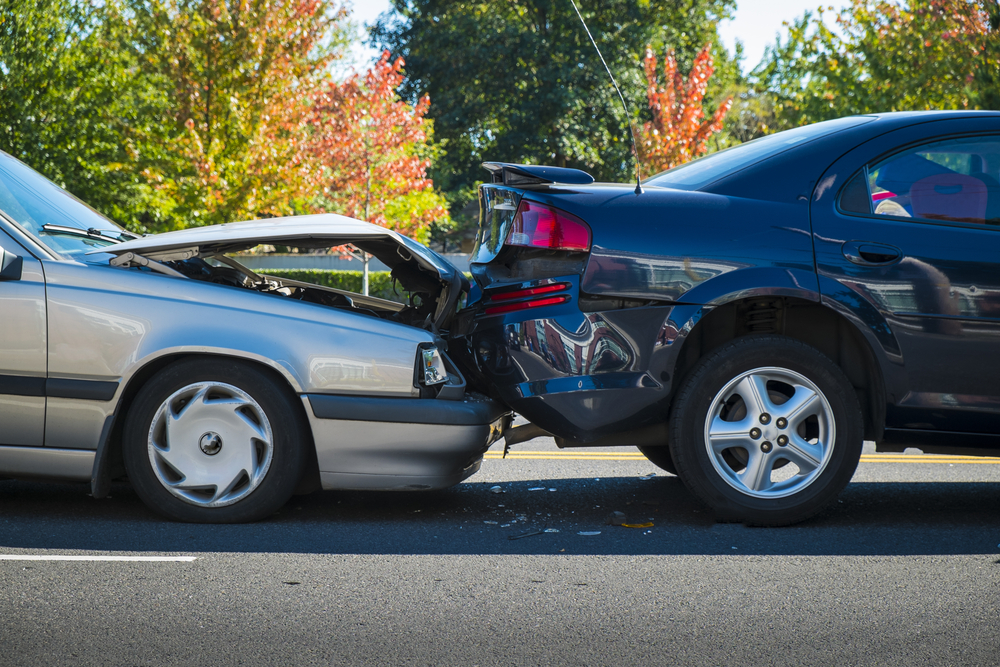
Images of the vehicles involved can help demonstrate the direction and severity of the impact.
For example, significant rear-end damage may indicate that the trailing driver did not brake in time.
Witness Statements
Witnesses who observed the accident may provide valuable testimony.
Their statements may confirm:
-
whether the front driver stopped gradually
-
whether the rear driver appeared distracted
-
the speed of the vehicles involved
Witness testimony can often help clarify what happened before the collision.
Vehicle Damage Analysis
The location and severity of vehicle damage can reveal important information about how the crash occurred.
Accident investigators may analyze:
-
impact points
-
crush patterns
-
debris distribution
In some cases, accident reconstruction experts may use this information to recreate the collision.
This analysis can help demonstrate whether the rear driver had sufficient time to react.
Traffic Conditions and Roadway Evidence
Traffic conditions often play an important role in rear-end collisions.
For example, vehicles approaching an intersection with a red light are expected to slow down.
If traffic ahead was already slowing or stopped, the rear driver is typically expected to anticipate this situation.
Roadway evidence such as skid marks or debris may help determine whether the rear driver attempted to brake.
The Role of Vehicle Technology
Many modern vehicles include event data recorders, sometimes referred to as “black boxes.”
These devices may record information before a crash, including:
-
vehicle speed
-
brake application
-
throttle position
Accident investigators may review this data to determine how the vehicles were being driven before the collision occurred.
This information can be particularly useful when sudden stop defenses are raised.
Medical Evidence and Injury Claims
Rear-end accidents often result in injuries such as:
-
whiplash
-
back injuries
-
head injuries
Medical records generated by hospitals and healthcare providers across Broward County—including facilities in Davie, Fort Lauderdale, Plantation, and Sunrise—often document these injuries.
Medical documentation helps demonstrate the severity of the injuries and the treatment required.
These records may play a key role in determining compensation.
Insurance Company Strategies
Insurance companies often attempt to minimize payouts in rear-end accident claims.
Common strategies may include:
-
arguing that the front driver stopped suddenly
-
questioning the severity of injuries
-
suggesting that the victim shares responsibility
By raising these arguments, insurers may attempt to reduce settlement amounts.
Strong evidence can help counter these strategies.
How Personal Injury Lawyers Challenge Sudden Stop Defenses
Personal injury lawyers often conduct detailed investigations when sudden stop defenses arise.
Legal professionals may:
-
review accident reports
-
interview witnesses
-
consult accident reconstruction experts
Attorneys may also analyze vehicle damage and available video footage.
This evidence can help demonstrate that the rear driver failed to maintain a safe following distance.
Protecting Your Rights After a Rear-End Accident
Rear-end accidents may appear simple at first, but insurance companies often raise defenses to avoid liability. Understanding how sudden stop defenses work—and how they can be challenged—can help accident victims protect their claims.
For drivers in Davie, gathering evidence, documenting injuries, and seeking legal guidance can make a significant difference when pursuing compensation.
Speak With a Fort Lauderdale Personal Injury Lawyer Today
If you were injured in a rear-end accident in Davie or anywhere in Broward County, you may have the right to pursue compensation for medical expenses, lost wages, and other damages.
An experienced personal injury lawyer can investigate the accident, challenge sudden stop defenses, and help you pursue the compensation you deserve.
Most personal injury law firms offer free consultations and operate on a contingency fee basis, meaning you pay no upfront fees.
If you have questions about a Davie rear-end accident claim, legal help is available 24/7 to help you move forward with confidence.