
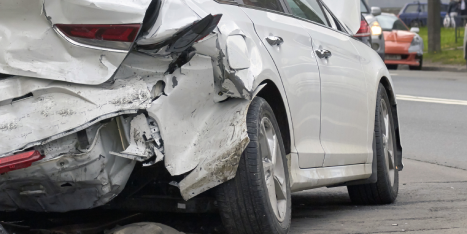
Davie Injury Claims: How Fault Is Investigated
In the aftermath of an accident in Davie, Florida, one of the most critical elements of a personal injury claim is determining who was at fault. Whether you were injured in a car crash, slip and fall, or other type of incident, establishing fault is essential for securing compensation for your medical bills, lost wages, pain, and suffering.
Insurance companies and courts rely heavily on evidence and legal analysis to determine who caused the accident—and how much responsibility each party bears. In Florida, where the comparative negligence rule applies, fault can directly impact how much you recover.
This article will walk you through how fault is investigated in Davie injury claims, what types of evidence matter, and how attorneys help protect your rights.
Why Fault Matters in Florida Injury Claims
Unlike some states that follow a traditional fault-based insurance system, Florida operates under a hybrid no-fault system for auto accidents. This means:
-
Personal Injury Protection (PIP) covers your initial medical bills and lost wages up to $10,000, regardless of who caused the crash.
-
If your injuries meet the threshold for a serious injury, you can step outside the no-fault system and file a claim against the at-fault party for full compensation.
In other types of injury claims—such as premises liability (slip and falls), workplace accidents involving third parties, or product liability—fault is central from the start.
Additionally, Florida follows a modified comparative negligence system. Under this rule:
-
If you’re found more than 50% at fault, you cannot recover damages.
-
If you’re 50% or less at fault, your compensation is reduced by your percentage of fault.
This makes proving fault accurately absolutely essential in Davie injury cases.
How Fault Is Investigated After an Accident in Davie
Fault is rarely determined based on one piece of information. A proper fault investigation considers multiple forms of evidence, expert analysis, and Florida law. Below are the key steps and sources that help determine fault.
1. Police Reports
After most vehicle accidents in Davie, a law enforcement officer from the Davie Police Department or Broward Sheriff’s Office will arrive at the scene and complete a crash report.
This report typically includes:
-
Time, date, and location of the accident
-
Diagrams of vehicle positions
-
Statements from drivers and witnesses
-
Initial officer assessment of fault (if noted)
While the police report is not legally binding, it is highly influential during insurance negotiations and lawsuits.
In non-vehicle incidents, such as a slip and fall at a business, incident reports may be completed by the property manager or owner.
2. Witness Statements
Eyewitness testimony can play a powerful role in determining fault.
Third-party witnesses are often considered more neutral than the involved parties. Their observations can confirm:
-
Whether someone was speeding or distracted
-
Whether a store employee ignored a spill
-
Whether a driver ran a red light
In Davie, lawyers and investigators often reach out to:
-
Bystanders
-
Passengers
-
Nearby business employees
-
First responders
Witness statements should be obtained as early as possible, while memories are fresh.
3. Scene Photographs and Video Footage
Visual evidence is one of the most compelling forms of proof in any injury case.
Photos taken at the scene can show:
-
Road conditions
-
Position of vehicles or objects
-
Damaged property
-
Dangerous conditions like wet floors or broken stairs
Many accident scenes in Davie are also captured on traffic or security cameras, especially near commercial corridors like Griffin Road, University Drive, and Davie Road.
A skilled attorney can quickly request and preserve any available footage before it’s deleted.
4. Vehicle Damage and Black Box Data
In car, truck, and motorcycle accidents, the damage to the vehicles involved can help reconstruct the crash.
In many newer vehicles, event data recorders (black boxes) capture critical details, such as:
-
Speed at the time of impact
-
Braking patterns
-
Seatbelt use
Attorneys may work with accident reconstruction experts to analyze this data and determine fault.
5. Medical Records and Injury Patterns
Sometimes the type and location of an injury can help confirm how the accident occurred.
For example:
-
A seatbelt bruise on the left shoulder supports that the victim was in the driver’s seat.
-
A slip-and-fall shoulder injury may match the location of a hazard on a store floor.
Doctors and medical experts can provide written opinions on how an injury aligns with the reported events.
6. Expert Witness Testimony
In more complex cases, attorneys may bring in experts to investigate and testify about fault.
Examples include:
-
Accident reconstructionists for highway crashes
-
Safety engineers for defective product claims
-
Building code experts for slip and fall cases in Davie businesses or apartments
Their expert analysis can clarify liability when the facts are disputed.
7. Cell Phone and Distraction Records
Distracted driving is a leading cause of crashes in South Florida.
If phone use is suspected, attorneys may subpoena:
-
Phone records
-
Text logs
-
App usage data
This is especially important in rear-end collisions, intersection crashes, and pedestrian accidents in busy areas of Davie, such as Nova Southeastern University’s campus or commercial centers like Tower Shops.
Fault in Premises Liability and Slip-and-Fall Claims
In non-vehicular injury cases—such as a fall in a Davie grocery store or an injury at a rental apartment—fault is based on premises liability law.
To prove fault, your attorney must show that:
-
A dangerous condition existed
-
The property owner knew or should have known about it
-
The hazard wasn’t fixed or warned about in a reasonable time
Important evidence includes:
-
Surveillance footage of the incident
-
Cleaning logs and maintenance records
-
Past complaints about the hazard
-
Photographs of the scene
Under Florida law (Fla. Stat. §768.0755), notice is critical. Businesses are not automatically liable for every fall on their property.
Comparative Fault: How Insurance Companies Use It
Insurance adjusters in Davie injury cases often look for ways to shift part of the blame onto the injured person.
Examples:
-
Claiming the victim was speeding or not wearing a seatbelt
-
Arguing a fall was caused by improper footwear
-
Blaming the pedestrian for not using a crosswalk
That’s why your evidence needs to clearly show the other party’s fault while minimizing your own.
Even if you’re partially at fault, you may still recover damages as long as you’re not more than 50% responsible.
Fault Investigations in Multi-Vehicle Crashes
In multi-car collisions—such as chain-reaction crashes on I-595 or University Drive—fault can be extremely complicated.
Each driver’s actions are analyzed separately:
-
Who struck whom first?
-
Was one driver tailgating or distracted?
-
Did weather or road conditions contribute?
Attorneys often hire accident reconstruction teams in these cases to determine the sequence of impact and how liability should be distributed.
Role of a Personal Injury Attorney in Fault Investigations
When you hire a Davie personal injury lawyer, one of the first things they do is launch a detailed fault investigation.
This includes:
-
Gathering all available evidence
-
Interviewing witnesses
-
Reviewing insurance policies
-
Preserving security or dashcam footage
-
Consulting with experts
Attorneys know the local roads, businesses, and court practices across Davie and Broward County, making them uniquely equipped to uncover fault-related details specific to your case.
Don’t Let Delays Hurt Your Claim
Time is a major factor in fault investigations.
-
Evidence like video footage may be erased after a few days.
-
Witnesses may forget details.
-
Physical evidence (skid marks, debris, spilled liquids) can disappear.
That’s why it’s critical to speak with an attorney as soon as possible after your injury.
Speak with a Fort Lauderdale Personal Injury Lawyer Today
If you’ve been injured in Davie and believe someone else was at fault, don’t leave your case to chance. Determining fault is a complex process that requires legal knowledge, evidence collection, and strategic investigation.
Our experienced personal injury attorneys understand how to build strong, evidence-based cases that insurers take seriously.
We offer:
-
Free consultations
-
No upfront fees
-
24/7 availability
Let us help you understand your rights and fight for the compensation you deserve. Call today to speak with a trusted Fort Lauderdale personal injury lawyer serving Davie and all of Broward County.