
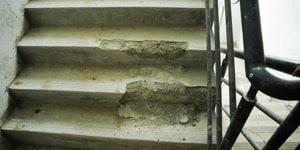
Apartment complexes are responsible for maintaining safe living conditions for tenants and visitors. In Davie, Florida and throughout Broward County, many residents live in apartment communities where property owners and management companies are responsible for repairs and maintenance.
When an injury occurs in an apartment building—such as a slip-and-fall accident, broken stairway incident, or structural hazard—an important question often arises: Did the property owner know about the problem before the accident happened?
One of the most powerful forms of evidence in apartment injury cases is a maintenance request. These records may show that tenants reported a dangerous condition before the accident occurred. If property managers failed to address the issue within a reasonable time, they may be considered negligent under Florida premises liability law.
Understanding how maintenance requests are used as evidence can help injured tenants or visitors better understand their legal rights after an apartment-related accident.
Common Injuries in Apartment Complexes
Apartment communities contain shared spaces such as staircases, hallways, parking lots, and walkways. When these areas are not properly maintained, hazardous conditions may develop.
Common apartment hazards may include:
-
broken stair rails
-
uneven sidewalks
-
leaking pipes causing wet floors
-
faulty lighting in hallways or parking areas
-
damaged flooring or loose tiles
Apartment complexes in Davie and neighboring cities such as Fort Lauderdale, Plantation, and Sunrise often contain multiple buildings and high resident populations, which means regular maintenance is essential.
When property managers fail to address hazards promptly, serious injuries may occur.
Florida Premises Liability Law
Apartment injury claims are typically handled under premises liability law, which requires property owners to maintain reasonably safe conditions.
Landlords and property managers have a legal duty to:
-
inspect common areas regularly
-
repair known hazards
-
warn residents about dangerous conditions
If a landlord fails to address a known safety issue and someone is injured as a result, the property owner may be held liable for damages.
What Are Maintenance Requests?
Maintenance requests are communications submitted by tenants to notify property management about problems that require repair.
These requests may involve issues such as:
-
broken fixtures
-
structural damage
-
plumbing leaks
-
damaged stairs or railings
Maintenance requests can be submitted in various ways, including:
-
written forms
-
email requests
-
online tenant portals
-
phone calls to management
When properly documented, these requests can become important evidence in personal injury cases.
Why Maintenance Requests Matter in Injury Claims
Maintenance requests help establish whether the landlord or property manager had notice of the dangerous condition.
Notice refers to whether the property owner knew—or should have known—about the hazard before the accident occurred.
If a tenant reported a problem and management failed to fix it within a reasonable period of time, this may support a claim that the landlord acted negligently.
For example, if a tenant reported a loose stair railing weeks before an accident and management ignored the request, that information could play a key role in determining liability.
Types of Notice in Premises Liability Cases
Florida law generally recognizes two types of notice.
Actual Notice
Actual notice means the property owner or management was directly informed about the hazard.
Maintenance requests are often strong evidence of actual notice.
For example, if a tenant sends an email reporting a broken step and management receives it, the landlord is considered to have actual notice.
Constructive Notice
Constructive notice refers to situations where the property owner should have discovered the hazard through reasonable inspections.
Even if no maintenance request was submitted, landlords may still be responsible if the dangerous condition existed for a long time.
However, written maintenance requests often provide clear evidence that the landlord knew about the problem.
Examples of Apartment Hazards Leading to Injury
Apartment injuries can occur in many ways when maintenance issues are ignored.
Broken Staircases
Loose steps or damaged stair rails can create dangerous conditions for residents and visitors.
Falls from staircases may cause severe injuries.
Poor Lighting
Insufficient lighting in hallways, stairwells, or parking areas can increase the risk of falls or other accidents.
Water Leaks
Leaking pipes or air conditioning systems may create wet floors that cause slip-and-fall accidents.
Uneven Walkways
Cracked sidewalks or damaged pavement around apartment buildings may lead to trip-and-fall incidents.
Maintenance requests reporting these hazards may show that the property manager was aware of the issue.
Evidence Used in Apartment Injury Cases
Maintenance requests are often combined with other evidence when investigating apartment injury claims.
Maintenance Records
Property management companies often keep records of repair requests and completed maintenance work.
These records may show:
-
when the issue was reported
-
whether repairs were completed
-
how long the hazard existed
Emails and Written Requests
Emails or written forms submitted by tenants may provide direct evidence that management was notified about the problem.
Witness Statements
Neighbors or other residents may confirm that the hazard existed for a long time or that complaints were previously made.
Photographs
Photos of the hazardous condition can help illustrate the problem that caused the accident.
These images may also show whether the hazard was obvious or long-standing.
Florida’s Comparative Negligence Rule
Florida follows a comparative negligence system, meaning responsibility for an accident may be shared.
If an injured person is partially responsible for the accident, compensation may be reduced according to their percentage of fault.
For example, if damages total $100,000 but the injured person is found 20 percent responsible, compensation may be reduced to $80,000.
Insurance companies sometimes argue that the injured person should have avoided the hazard.
Maintenance requests demonstrating that the landlord ignored the problem may help counter these arguments.
Injuries Common in Apartment Accidents
Apartment-related accidents can cause serious injuries.
Common injuries may include:
-
fractures
-
head injuries
-
spinal injuries
-
soft tissue injuries
Hospitals and healthcare providers throughout Broward County—including facilities serving Davie, Fort Lauderdale, Plantation, and Sunrise—often treat individuals injured in apartment accidents.
Medical records documenting these injuries often become a key part of personal injury claims.
Insurance Company Defenses
Insurance companies representing landlords often raise several defenses in apartment injury cases.
Common arguments may include:
-
the landlord was not aware of the hazard
-
the tenant never reported the problem
-
the accident was caused by the victim’s actions
Maintenance requests can be powerful evidence that addresses these claims.
How Personal Injury Lawyers Use Maintenance Requests
Personal injury lawyers often investigate apartment injury cases by reviewing maintenance records and tenant communications.
Legal professionals may:
-
obtain repair request documentation
-
review property management records
-
interview tenants and witnesses
Attorneys understand how to use maintenance requests to demonstrate that property owners had notice of dangerous conditions.
Protecting Your Rights After an Apartment Injury
Apartment injuries can result in serious medical expenses and long-term consequences. Maintenance requests may provide important evidence showing that the landlord or property manager knew about the hazard before the accident occurred.
For residents and visitors injured in Davie apartment complexes, documenting hazards and preserving evidence can play a key role in protecting legal rights.
Speak With a Fort Lauderdale Personal Injury Lawyer Today
If you were injured in an apartment complex in Davie or anywhere in Broward County, you may have the right to pursue compensation for medical expenses, lost wages, and other damages.
An experienced personal injury lawyer can investigate maintenance records, review tenant complaints, and help determine whether the property owner failed to address a dangerous condition.
Most personal injury law firms offer free consultations and operate on a contingency fee basis, meaning you pay no upfront fees.
If you have questions about a Davie apartment injury claim, legal help is available 24/7 to help you move forward with confidence.