
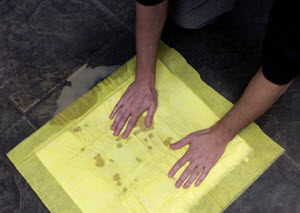
Coral Springs Restaurant Falls: Wet Floor Defenses and Counterproof
Slip-and-fall accidents in restaurants are a common cause of injuries in Coral Springs, Florida. Restaurants are busy environments where spills, food debris, and cleaning activities frequently occur. When these hazards are not addressed properly, customers and employees may slip and suffer serious injuries.
Across Broward County—including Coral Springs and nearby communities such as Sunrise, Plantation, Deerfield Beach, and Fort Lauderdale—restaurant fall accidents often lead to premises liability claims. One of the most common hazards in these cases is a wet floor, which may result from spilled drinks, food, cleaning solutions, or recently mopped surfaces.
When an injury occurs, restaurant owners and their insurance companies often raise certain defenses in an attempt to avoid liability. Understanding these defenses—and how they can be challenged with evidence—can help injured individuals protect their legal rights and pursue compensation.
Why Restaurant Floors Become Hazardous
Restaurants operate in fast-paced environments where liquids and food items are constantly handled.
Common sources of wet floor hazards include:
-
spilled beverages
-
dropped food items
Other hazards may involve:
-
recently mopped floors
-
leaks from equipment or refrigeration units
Additional risks can occur near:
-
kitchen entrances
-
beverage stations
If staff members fail to identify and address these hazards quickly, customers may slip and fall.
Florida Premises Liability Law
Under Florida law, property owners who invite customers onto their premises have a legal duty to maintain reasonably safe conditions.
Restaurants must take reasonable steps to:
-
inspect the premises regularly
-
address hazardous conditions
If a dangerous condition exists and the business fails to correct it or warn customers, the restaurant may be held responsible for injuries.
However, slip-and-fall cases often depend on whether the business had actual or constructive knowledge of the hazard.
Actual Knowledge vs. Constructive Knowledge
In restaurant fall cases, proving knowledge of the hazard is often a key issue.
Actual knowledge means that the restaurant or its employees were aware of the hazard before the accident occurred.
For example:
-
an employee may have seen the spill
-
a customer may have reported the hazard
Constructive knowledge means that the hazard existed long enough that the restaurant should have discovered it during routine inspections.
Evidence demonstrating how long the hazard was present can play a critical role in these cases.
Common Wet Floor Defenses Used by Restaurants
Restaurants and their insurance companies often present several defenses after a slip-and-fall accident.
Claiming the Spill Happened Moments Before the Fall
One common defense is that the spill occurred only moments before the accident.
If the restaurant can show that the hazard appeared suddenly and employees did not have time to address it, they may argue they were not negligent.
Claiming Warning Signs Were Present
Another defense involves claims that warning signs were posted.
Restaurants may argue that:
-
caution signs were placed near the wet floor
-
customers were adequately warned
If warning signs were clearly visible, the restaurant may argue that the injured person should have avoided the area.
Claiming the Customer Was Distracted
Restaurants sometimes argue that the injured person was not paying attention.
For example, they may claim the customer:
-
was looking at a phone
-
ignored visible hazards
This defense attempts to shift some responsibility to the injured person.
Claiming the Hazard Was Obvious
Businesses may also argue that the hazard was open and obvious.
This means they claim the dangerous condition was clearly visible and should have been avoided.
Counterproof: Challenging Restaurant Defenses
Although restaurants often raise these defenses, injured victims may challenge them using evidence.
Surveillance Video Footage
Many restaurants use security cameras throughout their premises.
Video footage may reveal:
-
how long the spill was present
-
whether employees walked past the hazard
If the footage shows the hazard existed for a long period, it may support claims that the restaurant failed to address it.
Witness Testimony
Witnesses can provide important information about the conditions at the time of the fall.
Witnesses may report that:
-
the spill was visible before the accident
-
employees were aware of the hazard
Their statements may help establish how long the hazard existed.
Photographs of the Hazard
Photographs taken shortly after the accident can preserve evidence of the dangerous condition.
Photos may show:
-
the size and location of the spill
-
the absence of warning signs
Because hazards are often cleaned quickly after accidents, photographs may be crucial.
Maintenance and Cleaning Records
Restaurants often maintain logs documenting cleaning and inspection activities.
These records may show:
-
when the floor was last inspected
-
whether employees followed safety procedures
If records show long gaps between inspections, they may suggest that the restaurant failed to monitor conditions properly.
Injuries Common in Restaurant Slip-and-Fall Accidents
Falls on hard restaurant floors can result in serious injuries.
Common injuries include:
-
broken bones
-
traumatic brain injuries
Other injuries may involve:
-
spinal injuries
-
soft tissue damage
Some victims require surgery or long-term rehabilitation after a fall.
Medical documentation is essential for demonstrating the severity of these injuries.
Florida’s Comparative Negligence Rule
Florida follows a comparative negligence system, which means responsibility for an accident may be shared between parties.
If the injured person is partially responsible for the accident, compensation may be reduced according to their percentage of fault.
For example:
-
if damages total $120,000 and the victim is found 20 percent responsible
-
compensation may be reduced to $96,000
Because of this rule, restaurants often attempt to argue that customers contributed to the accident.
Evidence is important to address these arguments.
The Role of Expert Analysis
In some cases, experts may analyze the conditions surrounding the fall.
Safety experts may evaluate factors such as:
-
floor surface conditions
-
cleaning procedures
These experts may determine whether the restaurant followed appropriate safety standards.
Their findings can help clarify whether the business acted reasonably.
Insurance Company Investigations
Insurance companies typically conduct thorough investigations after restaurant fall accidents.
Adjusters may review:
-
incident reports
-
surveillance footage
They may also interview employees and witnesses.
Insurance companies often attempt to minimize the value of claims by questioning liability or the severity of injuries.
Strong evidence is important to support the victim’s claim.
The Importance of Prompt Medical Care
Seeking medical attention after a fall is important for both health and legal reasons.
Medical records created shortly after the accident help establish a connection between the fall and the injuries.
Doctors may document:
-
symptoms and physical findings
-
recommended treatment plans
Consistent medical treatment helps demonstrate the seriousness of the injury.
How Personal Injury Lawyers Help Restaurant Fall Victims
Personal injury lawyers often assist victims by investigating restaurant fall accidents and gathering evidence.
Attorneys may help by:
-
requesting surveillance footage
-
obtaining maintenance records
Lawyers may also interview witnesses and consult safety experts.
Through careful investigation, attorneys work to demonstrate that the restaurant failed to maintain safe conditions.
Legal representation can also help victims negotiate with insurance companies.
Protecting Your Rights After a Restaurant Fall
Slip-and-fall accidents in restaurants can lead to serious injuries and financial hardship. When wet floors or other hazards exist, restaurants have a responsibility to protect customers from harm.
Understanding the defenses restaurants may raise—and how those defenses can be challenged—can help injured individuals pursue fair compensation.
For victims in Coral Springs and throughout Broward County, careful documentation and evidence collection can play an important role in building a strong premises liability claim.
Speak With a Fort Lauderdale Personal Injury Lawyer Today
If you were injured in a restaurant slip-and-fall accident in Coral Springs or anywhere in Broward County, you may have the right to pursue compensation for medical expenses, lost wages, and other damages.
An experienced personal injury lawyer can investigate the accident, gather evidence of hazardous conditions, and help negotiate with insurance companies.
Most personal injury law firms offer free consultations and work on a contingency fee basis, meaning there are no upfront legal fees.
If you have questions about restaurant fall claims or your legal rights after an accident, legal help is available 24/7 to help you move forward with confidence.