
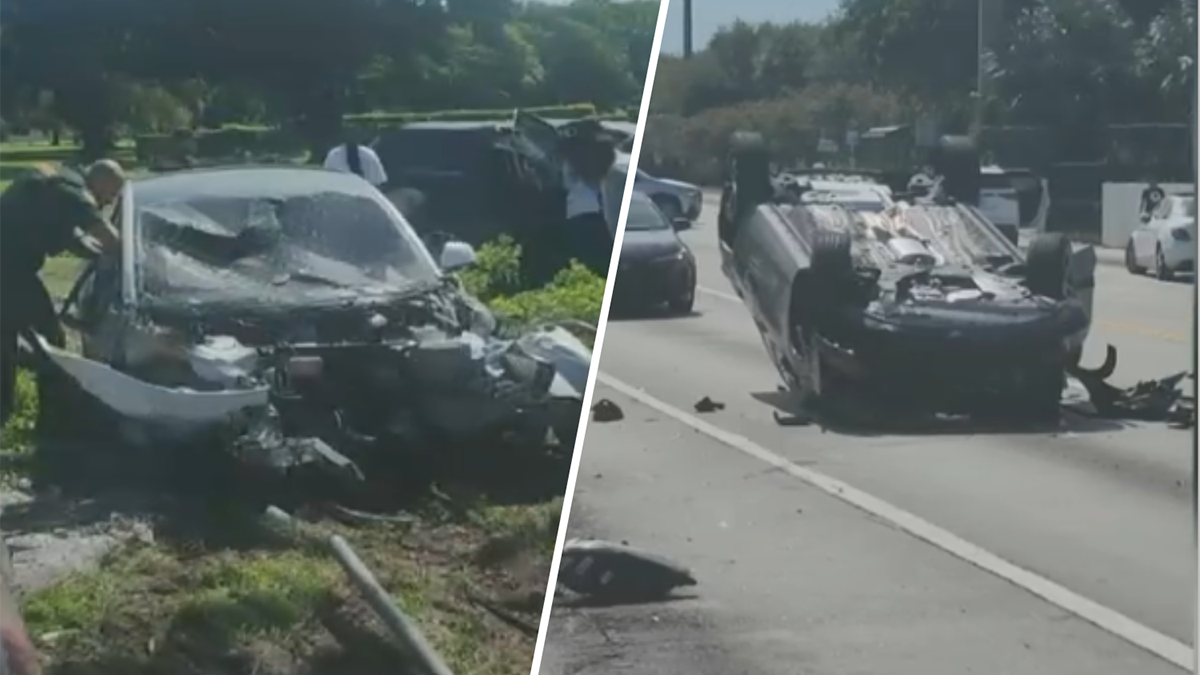
Coral Springs Multi-Car Accidents: Who Pays First?
Multi-car accidents can create immediate confusion and financial uncertainty for drivers and passengers involved in a crash. When several vehicles collide in Coral Springs, Florida, determining who is responsible—and who pays first—can quickly become complicated. Unlike simple two-vehicle collisions, multi-car accidents may involve several drivers, multiple insurance companies, and disputes about how the crash actually occurred.
Throughout Broward County, including Coral Springs and nearby communities such as Sunrise, Plantation, Deerfield Beach, and Fort Lauderdale, multi-vehicle crashes occur on busy roads, at intersections, and during heavy traffic conditions. Chain-reaction collisions often leave victims dealing with medical bills, vehicle damage, and questions about the claims process.
Understanding how Florida insurance law applies to multi-car accidents can help injured victims know where compensation comes from first and what steps may follow in the legal process.
What Is Considered a Multi-Car Accident?
A multi-car accident generally involves three or more vehicles in the same collision event. These crashes may occur in several different ways.
For example, a driver may rear-end another vehicle, pushing it forward into a third car. In other situations, vehicles may collide from different directions at an intersection.
Common multi-car accident scenarios include:
-
chain-reaction rear-end collisions
-
intersection crashes involving several vehicles
Other situations may involve:
-
sudden traffic slowdowns causing pileups
-
accidents triggered by distracted or impaired drivers
Because several impacts may occur within seconds, identifying the original cause of the crash is often the key to determining liability.
Why Multi-Car Accidents Are More Complex
Multi-vehicle crashes are more difficult to investigate than typical accidents involving only two cars.
Several factors contribute to this complexity.
First, there may be multiple points of impact between vehicles.
Second, drivers may have different accounts of how the accident happened.
Third, each driver involved typically has their own insurance company investigating the crash.
Because of these factors, determining who is responsible for the accident may take time.
Insurance companies may also dispute liability in order to limit the amount they must pay.
Florida’s No-Fault Insurance System
Florida follows a no-fault insurance system, which affects how accident claims are handled after a crash.
Under this system, drivers rely first on their own insurance coverage for certain expenses, regardless of who caused the accident.
The primary form of coverage involved is Personal Injury Protection (PIP).
PIP benefits generally cover:
-
80 percent of medical expenses
-
60 percent of lost wages
These benefits are available even if another driver caused the accident.
Because PIP coverage applies regardless of fault, it often becomes the first source of payment after a multi-car accident.
The $10,000 PIP Coverage Limit
In most Florida auto insurance policies, PIP coverage provides up to $10,000 in benefits per accident.
These benefits may cover expenses such as:
-
emergency medical treatment
-
hospital visits
Other covered expenses may include:
-
physical therapy
-
certain rehabilitation services
However, the $10,000 limit may be quickly exhausted in serious accidents.
When medical costs exceed this amount, injured victims may pursue additional compensation from other responsible parties.
When the At-Fault Driver’s Insurance Pays
After PIP coverage is used, injured victims may seek compensation from the driver who caused the accident.
This usually involves filing a claim against the at-fault driver’s bodily injury liability insurance.
However, this type of claim is only available if the injuries meet Florida’s serious injury threshold.
Qualifying injuries may include:
-
permanent injury
-
significant loss of bodily function
Other qualifying injuries may involve:
-
permanent scarring
-
death
When these conditions exist, victims may pursue damages beyond the PIP coverage limits.
Determining Which Driver Caused the Crash
In multi-car accidents, determining which driver caused the crash is often the most important step.
Investigators may analyze several types of evidence, including:
-
police accident reports
-
witness statements
Additional evidence may include:
-
vehicle damage patterns
-
traffic camera footage
Accident reconstruction experts may also study the crash to determine how the sequence of collisions occurred.
The driver responsible for triggering the chain reaction may bear the greatest liability.
Chain-Reaction Rear-End Accidents
Many multi-car crashes occur when one vehicle rear-ends another in traffic.
For example:
-
a driver fails to stop in time and strikes the car in front
-
that vehicle is pushed into another vehicle ahead
This type of crash may involve several impacts within seconds.
In many cases, the driver who caused the first collision may be responsible for damages.
However, other drivers may also share responsibility if they were driving too closely or not paying attention to traffic conditions.
Florida’s Comparative Negligence Rule
Florida uses a comparative negligence system, meaning more than one party may be responsible for an accident.
Under this rule, each party may be assigned a percentage of fault.
For example:
-
if total damages equal $400,000 and a driver is found 25 percent responsible
-
that driver may be responsible for $100,000 in damages
Injured victims may still recover compensation even if they were partially responsible for the crash.
However, their compensation may be reduced according to their percentage of fault.
Multiple Insurance Policies May Be Involved
Because several drivers may be involved in a multi-car crash, more than one insurance policy may apply.
Possible sources of compensation may include:
-
the at-fault driver’s bodily injury liability coverage
-
underinsured motorist coverage
Additional coverage may involve:
-
commercial vehicle insurance
-
umbrella insurance policies
In some cases, multiple insurance companies may share responsibility for paying damages.
Injuries Common in Multi-Car Accidents
Multi-car collisions often involve strong forces and multiple impacts, which can increase the likelihood of serious injuries.
Common injuries may include:
-
whiplash and neck injuries
-
traumatic brain injuries
Other injuries may involve:
-
broken bones
-
spinal cord injuries
Passengers may also suffer internal injuries or soft tissue damage.
Because several vehicles may be involved, emergency responders often treat multiple injured victims at the scene.
Evidence That Helps Determine Liability
Strong evidence plays a major role in determining who caused a multi-car accident.
Important evidence may include:
-
police accident reports
-
photographs of vehicle damage
Additional evidence may involve:
-
witness testimony
-
traffic camera recordings
Accident reconstruction experts may also analyze the crash to determine the sequence of events.
This analysis can help clarify which driver triggered the chain reaction.
Why Multi-Car Accident Claims Take Longer
Claims involving multiple vehicles often take longer to resolve than simpler accidents.
Several insurance companies may need time to:
-
review evidence
-
determine liability
Insurance companies may also wait for injured victims to complete medical treatment before negotiating settlements.
Although this process can take time, careful investigation helps ensure that responsibility for the crash is assigned accurately.
The Role of Personal Injury Lawyers
Personal injury lawyers often assist accident victims by investigating complex multi-car crashes.
Attorneys may help by:
-
reviewing police reports and witness statements
-
identifying all potentially responsible parties
Lawyers may also communicate with multiple insurance companies involved in the claim.
Because these cases can involve complicated liability issues, legal representation may help ensure that victims receive fair compensation.
Protecting Your Rights After a Multi-Car Accident
Multi-car accidents can create confusion about who caused the crash and which insurance company must pay first. Understanding how Florida’s no-fault system works and how liability is determined can help accident victims navigate the claims process more confidently.
For individuals injured in Coral Springs and throughout Broward County, careful documentation of injuries, accident evidence, and insurance coverage can play an important role in resolving multi-car accident claims.
Speak With a Fort Lauderdale Personal Injury Lawyer Today
If you were injured in a multi-car accident in Coral Springs or anywhere in Broward County, you may have the right to pursue compensation for medical expenses, lost income, and other damages.
An experienced personal injury lawyer can investigate the accident, identify the responsible parties, and help negotiate with insurance companies.
Most personal injury law firms offer free consultations and work on a contingency fee basis, meaning there are no upfront legal fees.
If you have questions about multi-car accident claims or your legal rights after a crash, legal help is available 24/7 to help you move forward with confidence.