
Coral Springs Injury Victims: Legal Steps After an Accident
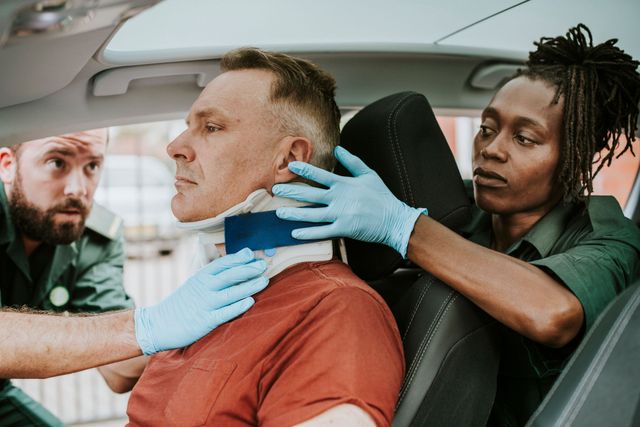
Experiencing an accident in Coral Springs, Florida can be overwhelming. Beyond the physical pain and emotional stress, victims face legal and financial challenges that require careful attention. Knowing the legal steps to take after an accident can protect your rights, preserve evidence, and increase the likelihood of receiving fair compensation.
Florida personal injury law is nuanced, and each case is unique. From reporting the incident to navigating insurance claims, taking the proper steps promptly is essential. This guide outlines the critical legal steps Coral Springs injury victims should follow after an accident, helping them protect their claims and secure the compensation they deserve.
Step 1: Seek Immediate Medical Attention
The first and most crucial step after any accident is to seek medical care immediately.
- Emergency care: For serious injuries, call 911 or go to the nearest emergency room.
- Documented treatment: Medical records establish the severity of injuries and the connection to the accident.
- Follow-up care: Consult specialists, therapists, or primary care physicians as needed to track ongoing recovery.
Prompt medical attention not only ensures your health but also creates essential documentation for your injury claim. Insurance companies rely heavily on medical records to verify the legitimacy of a claim.
Step 2: Report the Accident
Reporting the accident to the appropriate authorities is a legal requirement and a critical step in protecting your rights:
- Vehicle accidents: File a police report if another vehicle is involved, injuries occur, or property damage is significant. Police reports provide an official account of the incident.
- Workplace accidents: Notify your employer immediately. Florida workers’ compensation laws require prompt reporting to qualify for benefits.
- Slip-and-fall or premises incidents: Inform property managers or owners in writing. Documentation helps establish liability and protects against disputes.
Failure to report promptly can hinder your ability to recover damages later.
Step 3: Preserve Evidence
Evidence is the foundation of any Coral Springs personal injury claim. Collecting and preserving it early is vital:
- Photographs and videos: Capture the accident scene, vehicle damage, road or property conditions, and visible injuries.
- Witness information: Gather names, contact information, and statements from bystanders, drivers, or coworkers.
- Physical evidence: Retain damaged property, clothing, or equipment related to the accident.
- Medical records: Keep copies of hospital visits, specialist reports, imaging results, and prescriptions.
Insurance adjusters and courts rely on clear, verifiable evidence to determine liability and damages. Early collection prevents disputes over altered conditions or unavailable witnesses.
Step 4: Contact Your Insurance Company
Florida law requires certain notifications depending on the type of accident:
- Auto accidents: Notify your insurance provider promptly. Florida’s Personal Injury Protection (PIP) coverage may cover initial medical expenses.
- Homeowners or renters insurance: Report slip-and-fall incidents or property-related injuries.
- Workers’ compensation: Submit claims promptly for workplace injuries.
When communicating with insurers:
- Stick to the facts and avoid speculation.
- Do not admit fault.
- Avoid giving recorded statements without legal guidance.
Insurance companies often attempt to minimize payouts; careful communication protects your legal position.
Step 5: Consult a Coral Springs Personal Injury Attorney
Hiring an experienced personal injury attorney early is one of the most important steps:
- Legal guidance: Attorneys explain your rights under Florida law and advise on how to preserve evidence.
- Claim management: They handle negotiations with insurance companies, ensuring claims are not undervalued.
- Document preparation: Lawyers gather and organize medical records, financial records, and accident reports.
- Litigation support: If negotiations fail, attorneys prepare the case for court.
Early legal involvement increases the likelihood of fair compensation and helps avoid common mistakes victims make when navigating claims alone.
Step 6: Understand Your Legal Rights
Florida personal injury law provides several protections and avenues for compensation:
- Compensation for economic damages: Medical expenses, lost wages, rehabilitation costs, and property damage.
- Non-economic damages: Pain and suffering, emotional distress, and loss of enjoyment of life.
- Comparative negligence: Florida follows a comparative fault system, reducing compensation if the victim is partially responsible.
- Statute of limitations: In most personal injury cases, you must file a lawsuit within four years from the date of the accident, or you risk losing the right to pursue damages.
Understanding these rights helps victims make informed decisions and avoid actions that could compromise their claims.
Step 7: Keep Detailed Records
Organized documentation strengthens your Coral Springs injury claim:
- Medical records: ER visits, imaging, specialist evaluations, prescriptions, and therapy notes.
- Financial records: Bills, receipts, pay stubs, tax returns, and proof of lost income.
- Accident records: Police reports, witness statements, photos, videos, and any official correspondence.
- Communications: Maintain copies of emails or letters with insurance companies, employers, or property managers.
A clear, chronological record makes it easier for attorneys to evaluate damages and negotiate effectively.
Step 8: Avoid Common Pitfalls
Many accident victims unintentionally jeopardize their claims by:
- Accepting early settlement offers without legal guidance
- Failing to document injuries or expenses thoroughly
- Admitting fault to insurance adjusters or on social media
- Ignoring follow-up medical care, which can weaken evidence of ongoing injuries
Avoiding these mistakes ensures your claim remains strong and maximizes potential compensation.
Step 9: Engage in Settlement Negotiations
Most Coral Springs injury claims are resolved through settlement rather than trial. Settlement negotiations involve:
- Evaluating liability and damages
- Presenting evidence and medical documentation
- Engaging in discussions with insurance adjusters or opposing counsel
- Considering expert evaluations for future medical needs, lost income, or long-term effects
An experienced attorney can guide you through negotiation strategies, ensuring fair settlement amounts reflective of both economic and non-economic damages.
Step 10: Prepare for Litigation if Necessary
If settlement negotiations fail, filing a lawsuit may be required:
- Filing a complaint: Begins the formal legal process in Broward County courts.
- Discovery process: Both parties exchange evidence, including medical records, financial documentation, and depositions.
- Trial preparation: Attorneys develop legal strategies, retain expert witnesses, and prepare for courtroom presentation.
Even if a case proceeds to trial, evidence and documentation collected early greatly enhance the likelihood of a successful outcome.
Local Considerations in Coral Springs
- Traffic accident patterns: Busy intersections, highways, and residential areas require detailed documentation to establish fault.
- Slip-and-fall hazards: Retail, office, and apartment complexes may dispute liability; early reporting is crucial.
- Workplace injuries: Construction and industrial sites follow Florida safety regulations, and timely reporting protects workers’ rights.
- Florida no-fault PIP coverage: Provides initial medical reimbursement but does not limit additional claims; documentation is key for pursuing damages beyond policy limits.
Attorneys familiar with Coral Springs and Broward County understand local courts, insurance practices, and accident trends, providing strategic advantages in legal proceedings.
Conclusion
Navigating the aftermath of an accident in Coral Springs, Florida requires a methodical approach to protect your legal rights and maximize compensation. Key steps include:
- Seeking immediate medical care
- Reporting the accident promptly
- Preserving and documenting evidence
- Contacting insurance companies carefully
- Consulting an experienced personal injury attorney
- Understanding your rights under Florida law
- Keeping detailed records
- Avoiding common pitfalls
- Engaging in settlement negotiations
- Preparing for litigation if necessary
Taking these steps ensures that victims of car accidents, slip-and-fall incidents, workplace injuries, and other accidents in Coral Springs and surrounding Broward County communities can pursue fair compensation for medical expenses, lost income, property damage, and the long-term impacts of injury. Early action, thorough documentation, and professional legal guidance are the cornerstones of a successful personal injury claim.