
Coconut Creek Injury Claims: How Evidence Shapes the Outcome
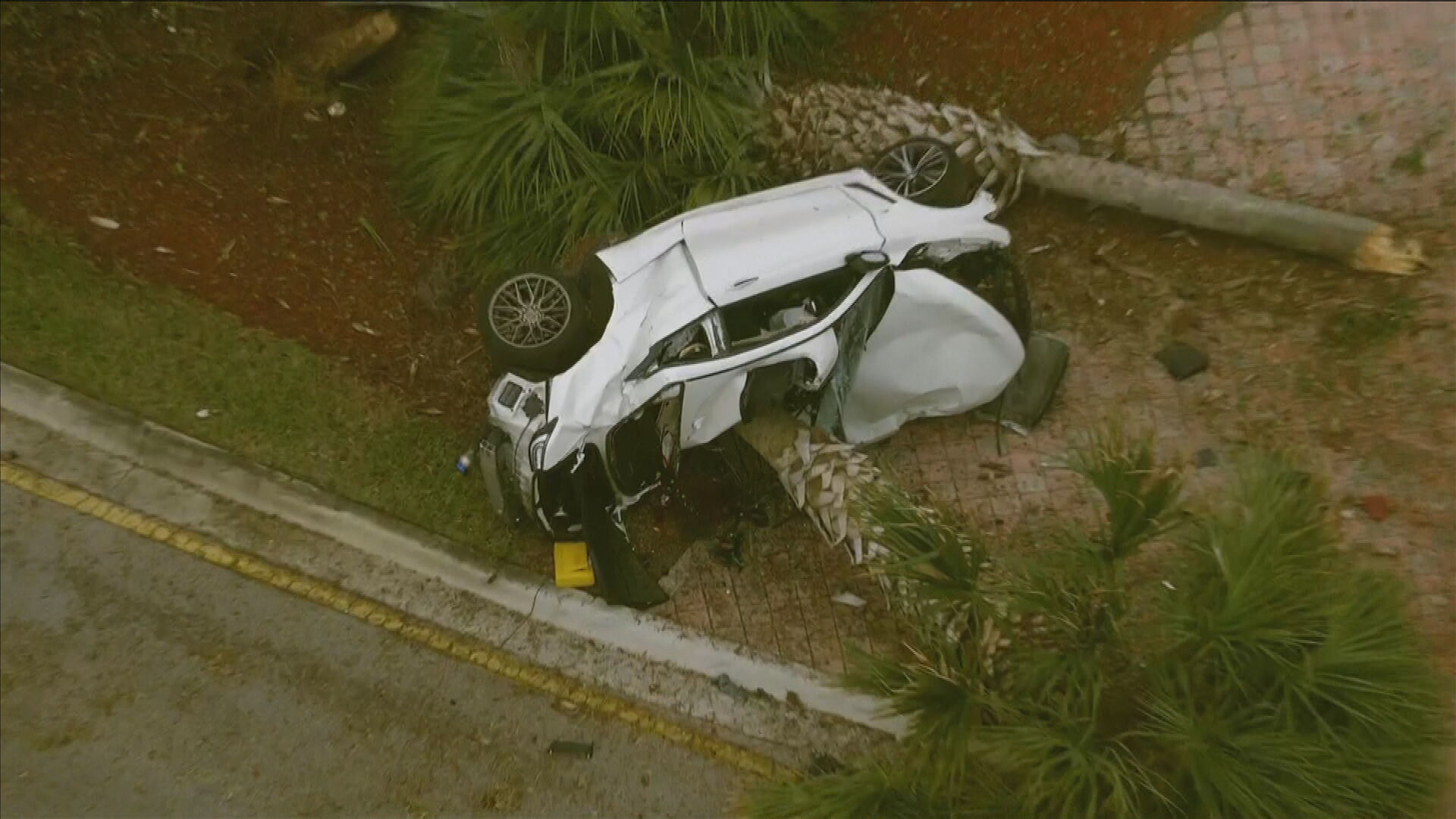
For accident victims in Coconut Creek, evidence is the backbone of any personal injury claim. Without proper documentation and proof, even a clearly valid case can face delays, low settlement offers, or outright denials. Insurance companies and courts rely heavily on tangible evidence to establish liability, causation, and damages.
This comprehensive guide explains how evidence impacts Coconut Creek injury claims, the types of evidence that matter most, and strategies to preserve and present it effectively.
Step 1: Why Evidence Matters
Evidence serves three main purposes in a personal injury claim:
- Proving Liability – Showing that the other party was at fault.
- Establishing Damages – Documenting medical expenses, lost wages, and property damage.
- Supporting Settlement or Trial Value – Strong evidence increases the likelihood of fair compensation.
Without compelling evidence, insurers may question the validity of your claim, dispute injury severity, or reduce offers, leaving victims under-compensated.
Step 2: Types of Evidence in Coconut Creek Injury Claims
Several categories of evidence are essential:
- Medical records and bills – Hospital reports, imaging, treatment notes, prescriptions.
- Accident scene documentation – Photos, videos, skid marks, weather conditions, and property damage.
- Witness statements – Accounts from bystanders, passengers, or other drivers.
- Police or incident reports – Official records of the accident and citations issued.
- Employment and income records – Pay stubs, tax records, or employer statements proving lost wages.
- Expert opinions – Medical specialists, accident reconstruction experts, or life-care planners.
Each type of evidence addresses a different element of the claim, and missing any can weaken your case.
Step 3: Medical Evidence – The Foundation of Injury Claims
Medical documentation is critical in Coconut Creek cases:
- Emergency room records – Establish immediate injuries and treatment.
- Diagnostic imaging – X-rays, MRIs, and CT scans validate injury severity.
- Treatment notes – Track progression of care and response to treatment.
- Future care projections – Documented estimates of ongoing medical needs.
Insurance adjusters rely on detailed medical evidence to assess the seriousness of injuries and determine compensation for both current and future costs.
Step 4: Accident Scene Evidence
Immediate documentation of the accident scene strengthens claims:
- Photographs and videos – Capture vehicle damage, road conditions, traffic signals, and any hazards.
- Skid marks and debris – Provide clues about speed and point of impact.
- Weather and visibility conditions – Support liability arguments if conditions contributed to the accident.
- Property damage estimates – Show repair or replacement costs.
Collecting evidence promptly is crucial, as scenes change and potential proof may disappear quickly.
Step 5: Witness Testimony
Witnesses can corroborate your version of events:
- Eyewitnesses – People who saw the accident occur.
- Passengers – Can describe circumstances and injury impact.
- Experts – Accident reconstruction specialists or medical professionals who testify on causation.
Accurate, detailed statements help counter disputes over fault and injury severity, improving claim outcomes.
Step 6: Police and Official Reports
Official documentation carries weight in insurance negotiations and court:
- Accident reports – Include diagrams, officer observations, and citations issued.
- Citations – Support claims by establishing traffic violations or negligence.
- Consistency – Aligning your account with official records strengthens credibility.
Even minor discrepancies between your statements and official reports can be used to challenge your claim, so review and retain copies carefully.
Step 7: Employment and Financial Records
Damages in a personal injury claim often include lost wages and earning capacity:
- Pay stubs and tax records – Verify income before and after the accident.
- Employer letters – Confirm time off, job restrictions, or missed promotions.
- Self-employment records – Track lost business revenue or contracts.
Accurate financial evidence ensures your claim reflects the full economic impact of the injury.
Step 8: Expert Opinions and Future Care Planning
Experts are vital when injuries are serious or complex:
- Medical specialists – Offer opinions on treatment needs, long-term prognosis, and recovery timelines.
- Life-care planners – Project costs of ongoing medical care, therapy, or home modifications.
- Accident reconstructionists – Analyze how the crash occurred and assign fault objectively.
Expert testimony provides strong justification for settlement demands or trial arguments, especially when future damages are significant.
Step 9: Preserving Evidence Effectively
Evidence can be lost or weakened if not preserved correctly:
- Document immediately – Take photos, record videos, and gather witness information at the scene.
- Keep originals – Medical bills, repair invoices, and receipts should be stored safely.
- Track communications – Keep copies of all correspondence with insurers or parties involved.
- Avoid altering evidence – Never modify, delete, or remove documentation that may be relevant.
Early and organized preservation prevents disputes and strengthens credibility.
Step 10: Common Mistakes in Evidence Handling
Many Coconut Creek injury claims are weakened by avoidable errors:
- Delaying medical treatment – Makes causation harder to prove.
- Inconsistent statements – Conflicting accounts to insurers or on social media.
- Failure to document property damage – Reduces recovery for repairs or replacement.
- Ignoring minor witnesses – Even small details can corroborate your account.
- Discarding or misplacing records – Leads to gaps in proof.
Avoiding these mistakes protects your claim and improves settlement potential.
Step 11: Using Evidence in Negotiations and Trial
Evidence serves as leverage for both settlement and trial preparation:
- Insurance negotiations – Strong evidence often leads to higher offers and faster resolutions.
- Mediation – Photos, medical records, and expert reports give credibility during mediated discussions.
- Trial – Admissible evidence is essential for juries or judges to understand the full scope of damages.
- Countering defense claims – Helps rebut arguments about pre-existing conditions, comparative negligence, or injury severity.
A comprehensive, well-documented case maximizes both settlement and litigation outcomes.
Step 12: Bottom Line
Evidence is the cornerstone of successful Coconut Creek personal injury claims:
- Medical documentation – Validates injuries and supports future care costs.
- Accident scene proof – Establishes liability and circumstances.
- Witness statements – Corroborate your version of events.
- Official reports – Reinforce credibility and provide objective facts.
- Financial records – Demonstrate lost wages and economic impact.
- Expert testimony – Strengthens claims for complex or long-term injuries.
- Preservation and organization – Ensures nothing is lost or compromised.
- Avoiding common mistakes – Prevents weakened claims and low settlement offers.
- Strategic use in negotiation or trial – Maximizes recovery potential.
By carefully collecting, preserving, and presenting evidence, Coconut Creek accident victims increase the likelihood of fair compensation and a strong case outcome.
Key Takeaways
- Early documentation is essential – Medical treatment, scene photos, and witness info must be collected immediately.
- Expert involvement is critical – Specialists validate injury severity and future care needs.
- Financial proof supports economic damages – Lost wages and earning capacity must be documented.
- Legal guidance ensures proper handling – Attorneys protect evidence, negotiate effectively, and prepare for trial.
- Avoid mistakes – Misstatements, delayed treatment, or lost records can significantly reduce settlement value.
Strong, organized evidence shapes the outcome of every Coconut Creek personal injury claim, from initial settlement discussions to final trial verdicts.