
Can You Still Win If You Were Partly at Fault in Fort Lauderdale?
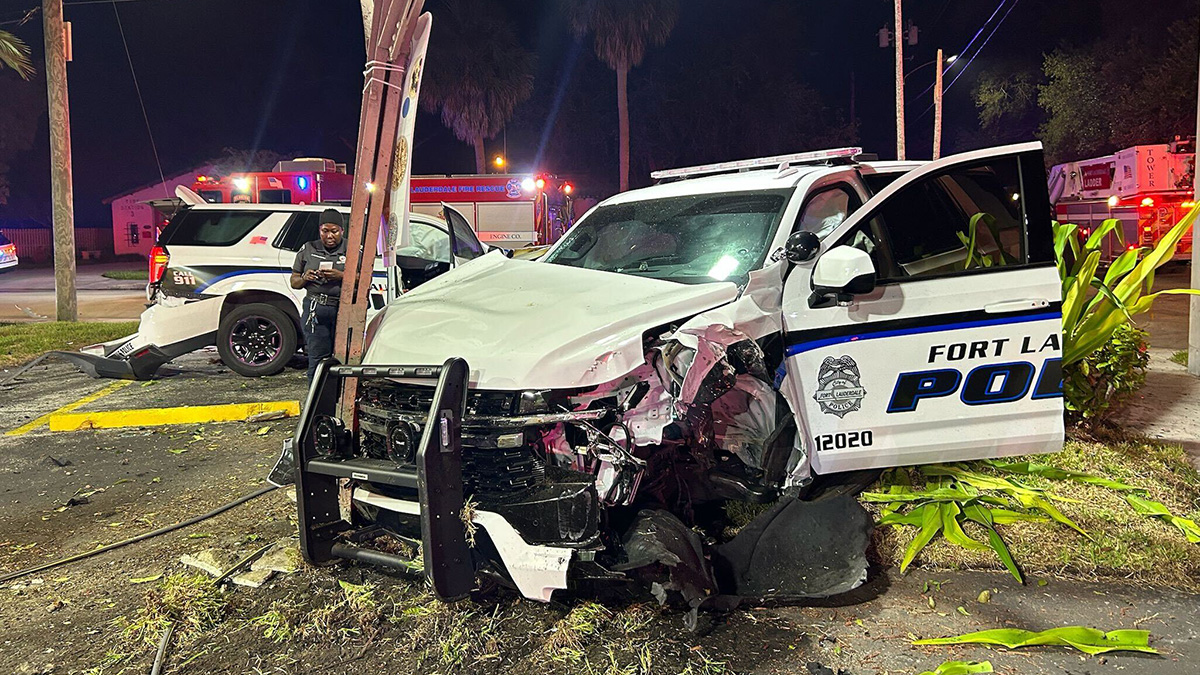
After a car accident in Fort Lauderdale, many injured people worry that they may not be able to recover compensation if they made a mistake that contributed to the crash. In reality, personal injury law in Florida recognizes that accidents are often complex and may involve shared responsibility.
Even if you were partly responsible for a crash, you may still be able to recover compensation under Florida law. The key factor is how much responsibility each party shares for the accident.
Understanding whether you can still win a Fort Lauderdale injury claim if you were partly at fault can help accident victims better understand their rights and legal options.
Florida’s Comparative Fault Rule
Florida uses a legal system known as comparative fault, which allows responsibility for an accident to be divided between multiple parties.
This system is governed by Florida Statutes §768.81.
Under this rule, an injured person may still recover compensation as long as they are not more than 50% responsible for the accident.
If the injured person is found to be 51% or more at fault, they may not be able to recover damages from the other driver.
This rule is sometimes referred to as modified comparative negligence.
How Comparative Fault Affects Compensation
When fault is shared, compensation is reduced according to the injured person’s percentage of responsibility.
For example:
- Total damages: $100,000
- Victim’s share of fault: 20%
In this scenario, the injured person’s compensation would be reduced by 20%.
That means they could recover $80,000 instead of the full $100,000.
Even when fault is shared, victims may still receive significant compensation depending on the circumstances of the accident.
Situations Where Shared Fault Can Occur
Many accidents involve actions from more than one driver. Shared fault may arise in several common scenarios.
Intersection Accidents
Busy intersections in Fort Lauderdale—such as those along Sunrise Boulevard, Broward Boulevard, and Federal Highway—often involve complicated traffic patterns.
If one driver runs a yellow light while another driver turns without yielding, both drivers may share some responsibility.
Rear-End Collisions
Rear-end accidents are often blamed on the following driver, but there are situations where the lead driver may share fault.
For example, if the lead driver suddenly stops without reason or has malfunctioning brake lights, fault may be divided.
Lane Change Crashes
When a driver changes lanes without signaling and another driver is speeding, both actions may contribute to the collision.
Distracted Driving
If both drivers were distracted—for example, one using a phone and another adjusting a navigation system—each driver’s actions may be considered during the investigation.
Evidence Used to Determine Fault
Determining fault percentages usually requires careful analysis of accident evidence.
Investigators and insurance companies may examine:
- Police crash reports
- Witness statements
- Photographs of the accident scene
- Traffic camera or surveillance footage
- Vehicle damage patterns
- Vehicle event data recorder information
Accident reconstruction experts may also analyze physical evidence such as skid marks, debris patterns, and vehicle positions.
This evidence helps determine how responsibility should be divided between the parties.
Florida’s No-Fault Insurance System
Many Fort Lauderdale accident claims begin under Florida’s no-fault insurance system.
Under the Florida Motor Vehicle No-Fault Law, drivers must carry Personal Injury Protection (PIP) coverage.
PIP benefits typically cover:
- 80% of medical expenses
- 60% of lost wages
- Up to $10,000 in benefits
Florida law requires accident victims to seek medical treatment within 14 days in order to qualify for these benefits.
These benefits are available regardless of who caused the accident.
When Fault Becomes Important
Fault becomes particularly important when injuries exceed the limits of PIP coverage.
Under Florida Statutes §627.737, accident victims may pursue compensation from the at-fault driver when injuries involve:
- Permanent injury
- Significant loss of bodily function
- Permanent scarring or disfigurement
In these cases, comparative fault determines how much compensation may ultimately be recovered.
How Insurance Companies Use Shared Fault
Insurance companies often look for ways to assign partial responsibility to injured drivers.
By doing so, insurers may reduce the amount of compensation they must pay.
For example, an adjuster may argue that the injured driver:
- Was speeding slightly
- Failed to maintain a safe following distance
- Was partially distracted
- Did not signal when changing lanes
Even small percentages of fault can significantly reduce settlement amounts in serious injury cases.
Mistakes That Can Affect Fault Determinations
Certain actions after an accident can unintentionally affect how fault is determined.
Common mistakes include:
Admitting fault at the scene
Statements made during stressful moments may be misunderstood.
Speculating about what happened
Guessing about details may create inconsistencies.
Failing to document the accident scene
Photos and videos may preserve important evidence.
Posting about the accident on social media
Insurance companies sometimes review social media posts during investigations.
Avoiding these mistakes can help protect your claim.
Why Legal Representation Matters
Cases involving shared fault can become complicated because insurance companies may attempt to increase the injured person’s percentage of responsibility.
A Fort Lauderdale personal injury attorney can help by:
- Investigating the accident thoroughly
- Gathering evidence supporting your claim
- Challenging unfair fault allegations
- Consulting accident reconstruction experts
- Negotiating with insurance companies
- Filing lawsuits when necessary
Legal professionals understand how comparative fault rules affect compensation and how to present evidence effectively.
Most Fort Lauderdale personal injury lawyers work on a contingency fee basis, meaning clients pay no upfront legal fees and attorneys are only paid if compensation is recovered.
Protecting Your Rights After a Fort Lauderdale Accident
Being partly responsible for a crash does not necessarily prevent you from recovering compensation. Florida’s comparative fault system allows injured individuals to pursue claims even when they share some responsibility for the accident.
What matters most is the percentage of fault assigned to each party and the strength of the evidence supporting the claim.
If you were injured in a Fort Lauderdale accident and believe you may share some responsibility, speaking with a knowledgeable personal injury attorney can help you understand your legal rights and options.
Most Fort Lauderdale personal injury law firms offer free consultations and no upfront fees, allowing accident victims to explore their legal options while focusing on recovery.