
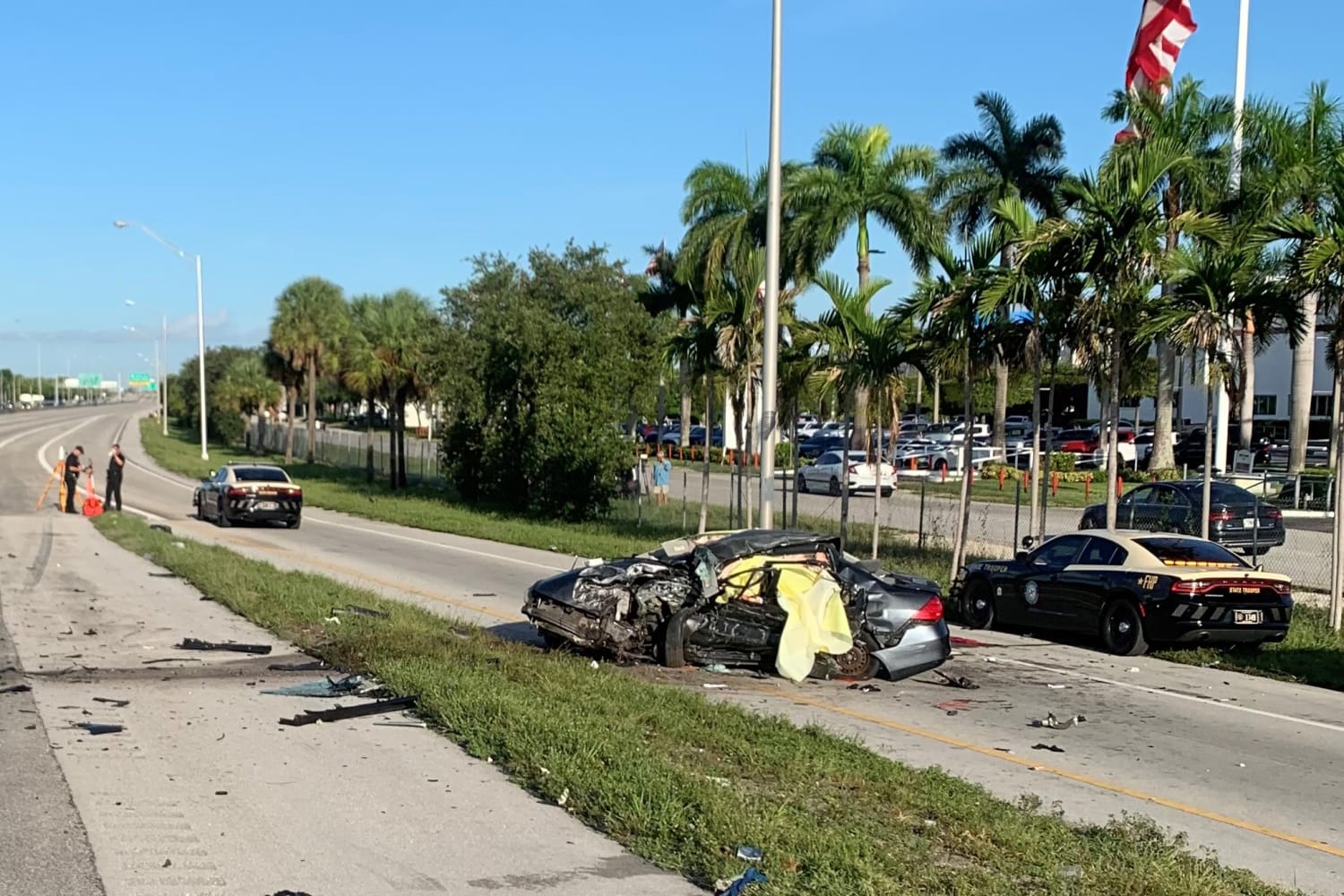
Broward County Injury Claims: Proving Negligence
When someone is injured in an accident in Broward County, one of the most important parts of a personal injury claim is proving negligence. Whether the incident occurs in Fort Lauderdale, Wilton Manors, Hollywood, Plantation, Sunrise, Coral Springs, Pompano Beach, or Deerfield Beach, the ability to clearly demonstrate that another party acted carelessly or irresponsibly often determines whether compensation can be recovered.
Insurance companies carefully examine evidence before accepting liability for an accident. Because of this, understanding how negligence is proven in Broward County injury claims can help accident victims protect their rights and strengthen their cases.
In most personal injury cases, proving negligence involves demonstrating that another party failed to act with reasonable care and that this failure directly caused the injury.
What Negligence Means in Florida Personal Injury Law
Negligence is the legal concept used to establish responsibility for many accidents. It occurs when someone fails to exercise reasonable care under the circumstances and causes harm to another person.
Examples of negligence in Broward County accident cases may include:
- A driver texting while driving
- A property owner failing to repair a dangerous hazard
- A business ignoring safety regulations
- A contractor failing to follow proper construction safety procedures
When negligence leads to an accident, the injured party may be entitled to pursue compensation for damages.
The Four Elements of Negligence
To succeed in a personal injury claim, four legal elements must typically be established.
Duty of Care
The first element involves proving that the responsible party owed a duty of care to the injured person.
A duty of care means a legal obligation to act responsibly and avoid causing harm to others.
Examples include:
- Drivers must follow traffic laws and operate vehicles safely
- Property owners must maintain reasonably safe premises
- Employers must provide safe working environments
When a duty of care exists, individuals must take reasonable steps to prevent harm.
Breach of Duty
The second element requires showing that the responsible party breached their duty of care.
A breach occurs when someone fails to act as a reasonable person would under similar circumstances.
Examples of breaches may include:
- Running a red light
- Driving under the influence of alcohol
- Failing to repair broken stairs on a property
- Ignoring workplace safety requirements
Evidence demonstrating unsafe behavior often helps establish this element.
Causation
The third element is causation, meaning the breach of duty directly caused the accident and resulting injuries.
Insurance companies often challenge this element by suggesting that injuries were caused by other factors, such as pre-existing medical conditions.
Medical records and expert testimony can help establish a clear link between the accident and the injuries.
Damages
The final element involves proving that the victim suffered actual damages.
Damages may include:
- Medical expenses
- Lost wages
- Property damage
- Pain and suffering
- Future medical treatment
Without measurable damages, a negligence claim cannot proceed.
Evidence That Helps Prove Negligence
Strong evidence plays a crucial role in proving negligence in personal injury cases.
Police Accident Reports
After many accidents in Broward County, law enforcement officers prepare official reports describing the incident.
Police reports often include:
- Officer observations
- Statements from drivers and witnesses
- Diagrams of the accident scene
- Traffic citations issued
These reports can provide important insights into how the accident occurred.
Photographs and Video Evidence
Photographs and video recordings can capture details that may later become important during settlement negotiations.
Images may document:
- Vehicle damage
- Road conditions and traffic signals
- Debris or skid marks
- Visible injuries
Video footage from dashcams, traffic cameras, or nearby businesses can also provide powerful evidence.
Witness Testimony
Witnesses often provide independent accounts of how an accident occurred.
Witness statements may confirm:
- Which driver had the right of way
- Whether a driver was distracted or speeding
- The sequence of events leading to the accident
Because witnesses are not directly involved in the incident, their testimony is often considered reliable.
Medical Records
Medical documentation helps establish the connection between the accident and the injuries suffered.
Important medical evidence may include:
- Emergency room reports
- Diagnostic imaging such as MRIs or CT scans
- Physician evaluations
- Physical therapy records
Medical records help demonstrate both the severity of the injuries and the damages suffered by the victim.
Expert Testimony
In complex cases, expert witnesses may provide specialized analysis supporting the victim’s claim.
Experts may include:
- Accident reconstruction specialists
- Medical professionals
- Economic experts evaluating financial losses
Expert testimony can clarify technical issues and strengthen the overall case.
Florida’s Comparative Negligence Rule
Florida follows a comparative negligence system, which means compensation may be reduced if the injured person shares responsibility for the accident.
For example:
- If a victim is awarded $100,000
- And they are found 20 percent responsible
Their compensation may be reduced by 20 percent.
This rule is outlined under Florida Statute §768.81:
https://www.flsenate.gov/Laws/Statutes/768.81
Insurance companies sometimes attempt to assign partial blame to accident victims in order to reduce settlement payouts.
Florida’s No-Fault Insurance System
For motor vehicle accidents, Florida drivers typically rely first on their own Personal Injury Protection (PIP) insurance coverage.
PIP benefits usually cover:
- Up to 80% of medical expenses
- Up to 60% of lost wages
However, benefits are typically limited to $10,000.
Florida law also requires accident victims to seek medical treatment within 14 days of the accident to qualify for PIP benefits.
These requirements are outlined under Florida Statute §627.736:
https://www.flsenate.gov/Laws/Statutes/627.736
When injuries exceed PIP limits or meet Florida’s serious injury threshold, victims may pursue compensation from the at-fault party.
Common Challenges When Proving Negligence
Insurance companies often attempt to challenge negligence claims in several ways.
Common challenges may include:
- Disputing how the accident occurred
- Claiming the victim shares responsibility
- Questioning the severity of injuries
- Suggesting injuries existed before the accident
Strong evidence and thorough investigation often help overcome these challenges.
How a Personal Injury Attorney Can Help
Proving negligence can be complex, especially when insurance companies dispute liability.
An experienced Fort Lauderdale personal injury attorney can assist by:
- Investigating the accident thoroughly
- Gathering evidence and witness statements
- Consulting expert witnesses
- Negotiating with insurance companies
- Representing clients in court if necessary
Legal representation helps ensure that accident victims have strong support throughout the claims process.
Speak With a Fort Lauderdale Personal Injury Lawyer
If you were injured in an accident in Broward County, including Fort Lauderdale, Wilton Manors, Hollywood, Plantation, Sunrise, Coral Springs, Pompano Beach, or Deerfield Beach, proving negligence may be essential to recovering compensation.
A knowledgeable Fort Lauderdale personal injury lawyer can review the circumstances of your case, gather evidence to support your claim, and help you pursue compensation for medical expenses, lost wages, and pain and suffering.
Most personal injury law firms offer free consultations and operate on a contingency fee basis, meaning there are no upfront legal costs.
If you have questions about proving negligence in a Broward County injury claim, speaking with an experienced attorney can help you move forward with confidence.